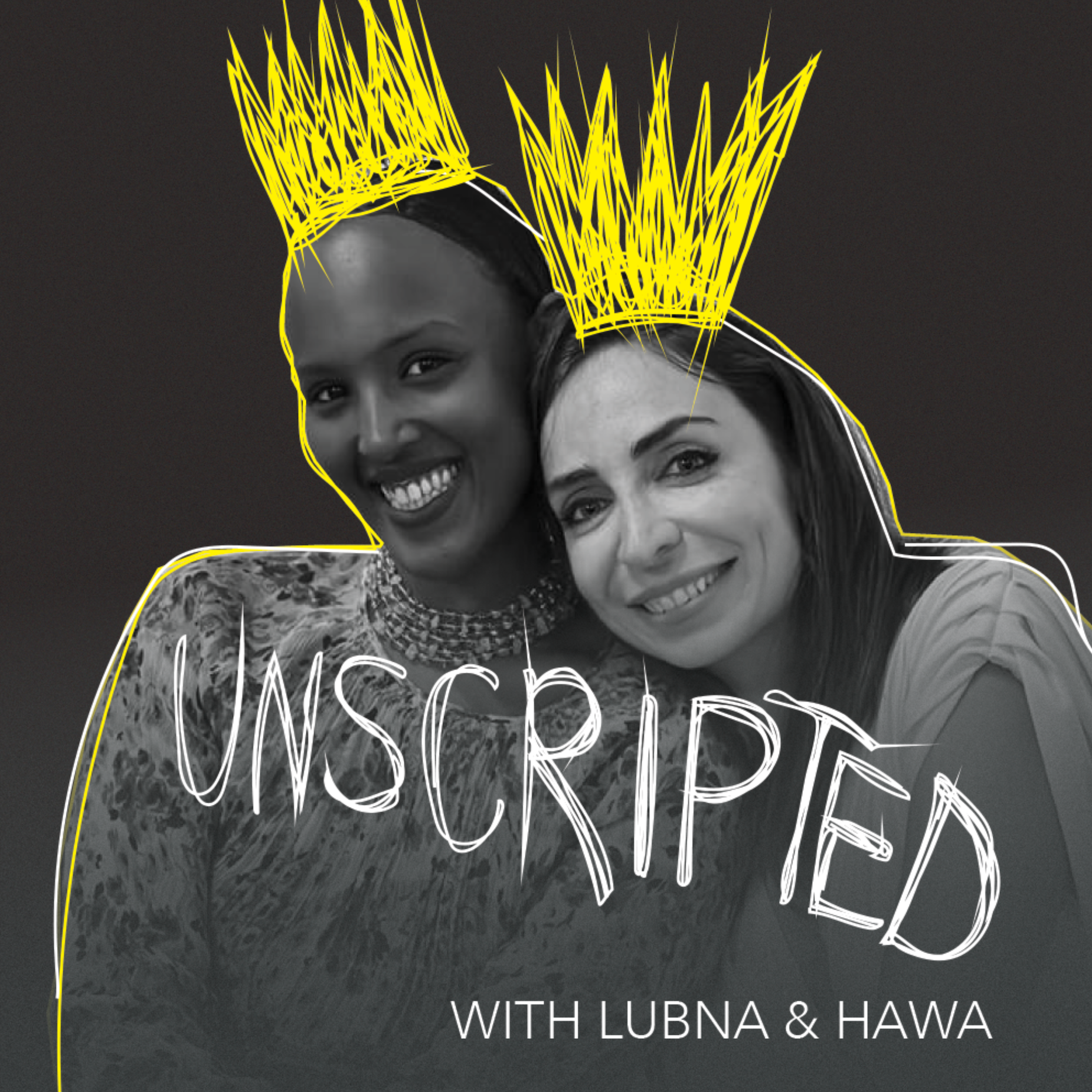
Unscripted with Lubna & Hawa is a reflective conversation series shaped by recurring voices, moral questioning, and a persistent refusal to leave common beliefs unexamined. The show often begins with a simple premise. Time heals wounds. Children need conventional schooling. Girls are protected by the institutions around them. War has winners. Love is naturally selfless. From there, Lubna and Hawa slow the idea down and ask what it hides. Their episodes move through healing, parenting, girlhood, boys and violence, beauty standards, uncertainty, romantic love, self-love, spirituality, and the cultural machinery that teaches people what to accept. The pace is measured. The thinking is personal before it becomes philosophical. A discussion of healing becomes a meditation on accepting the self that survives pain, with kintsugi used as a metaphor for wounds that are not erased but integrated. A conversation about girls turns toward child marriage, gender-based violence, bodily scrutiny, and the deeper question of whether children are treated as full human beings. Political episodes can be grave, especially when war, the Middle East, refugees, foreign power, and civilian suffering are on the table. The show does not flatten those topics into slogans. It lets discomfort stay visible. At the same time, it keeps returning to inner work: shadow work, self-knowledge, spiritual resilience, and the possibility that better social relationships begin with a more honest relationship to the self. Its language is accessible rather than academic. Its structure is conversational rather than scripted. The appeal is not speed or certainty, but the feeling of watching two recurring voices reason together in public. For listeners drawn to gender, spirituality, parenting, culture, and emotional repair, it offers a candid space where tenderness and critique can sit in the same room.