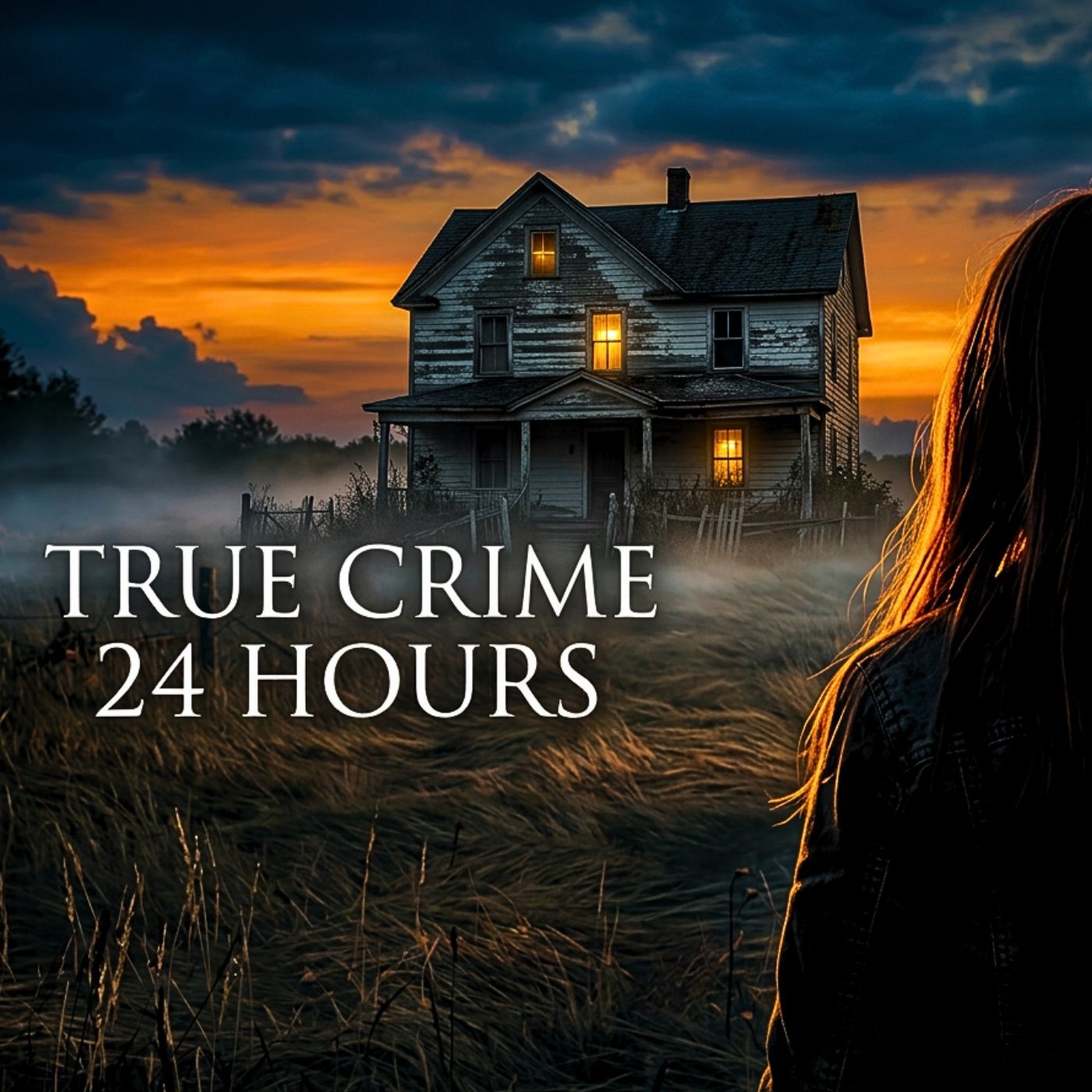
True Crime 24 Hours is a true crime series with a stern sense of sequence. It does not wander. Each episode narrows from public facts into the small, damning details that make a case hard to forget. A woman finds tapes. A thief ignores luxury goods and takes a safe. A child runs across a farm in the dark. A mother receives speed alerts and still buys a faster car. The show builds its force from that kind of detail. It is not interested in cozy mystery pacing or casual host chemistry. Its power comes from reconstruction: who knew what, when they knew it, what evidence survived, and what vanished before anyone could demand answers. The recent run is broad but thematically consistent. Korean cases involving missing children, Gu Hara, Choi Jin-ri, and the Burning Sun scandal sit beside a Japanese hijacking to North Korea, a drunk-driving crash, a fatal BMW crash, the Dominique Pellicot case, a compound death, and the overturned conviction involving Lin Yu. The geography changes. The pressure points repeat. Families wait for records, courts lose momentum, official explanations collapse, and private violence hides behind ordinary respectability. The show often lingers on evidence that seems minor until it becomes central. That gives the storytelling a prosecutorial rhythm without turning it into courtroom theater. It can be emotionally blunt. It can also be quiet, especially when the remaining fact is not a verdict but a parent, a sibling, a name, or a room left unchanged. True Crime 24 Hours suits listeners who want true crime stripped of banter and padded speculation. It asks them to follow a chain of evidence and sit with the cost when that chain breaks.