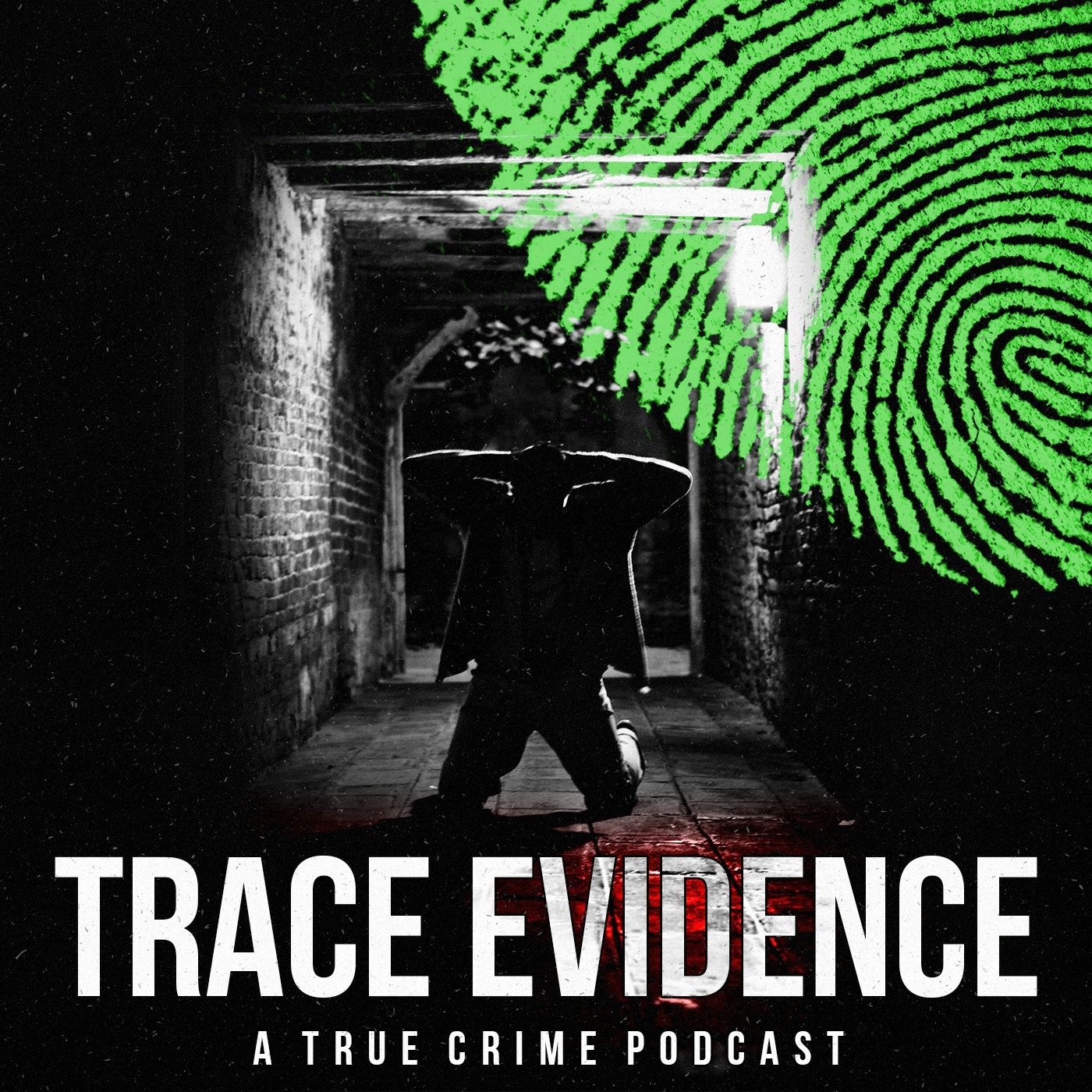
Trace Evidence is a measured true-crime series focused on unsolved murders, disappearances, and the occasional update when a case changes. Its center of gravity is the victim, the place, and the long shadow left behind. Episodes commonly begin with a specific landscape: a cold North Dakota riverbank, an upstate New York morning, a burned-out Catskills lodge, a campus under rain, or a dark apartment lit only by a flashlight. The crime arrives after the world has been built. That structure matters, because the show spends real time making the missing or murdered person legible before the case file takes over. Jennifer Persia is remembered as bright and caring before the brutality of her death is examined. Maggie Long is framed through community, promise, and the frustration of a case shaped by secrecy. Joseph Helt’s disappearance unfolds through weather, search logistics, teenage accounts, volunteer effort, and the limits of early response. Tammy Mahoney’s ordinary route through Oneida becomes the hinge of a disappearance. Judy Martins’ case is traced through campus police hesitation, missing-person bulletins, and the gap between uncertainty and action. The show is not hurried. It follows timelines, official statements, search decisions, autopsy disputes, DNA collection, media reports, and the stubborn absence of answers. It can be sharply critical when bureaucracy or secrecy becomes part of the story. Still, the tone remains controlled. Even grim material is handled with formal restraint rather than theatrical shock. Case-update episodes add a second rhythm, returning to earlier coverage when a solved development or new information gives the record a different shape. Q&A specials reveal a more conversational side, with Steven Pacheco answering listener questions, discussing podcasting choices, and previewing future case coverage. Those episodes sit outside the usual narrative mode, but they clarify the show’s standards: research, persistence, and a willingness to keep working cases that have not resolved neatly. Trace Evidence is best suited to listeners who want long-form true crime with names, roads, dates, investigative roadblocks, and human texture. It rewards patience. It also asks for it.