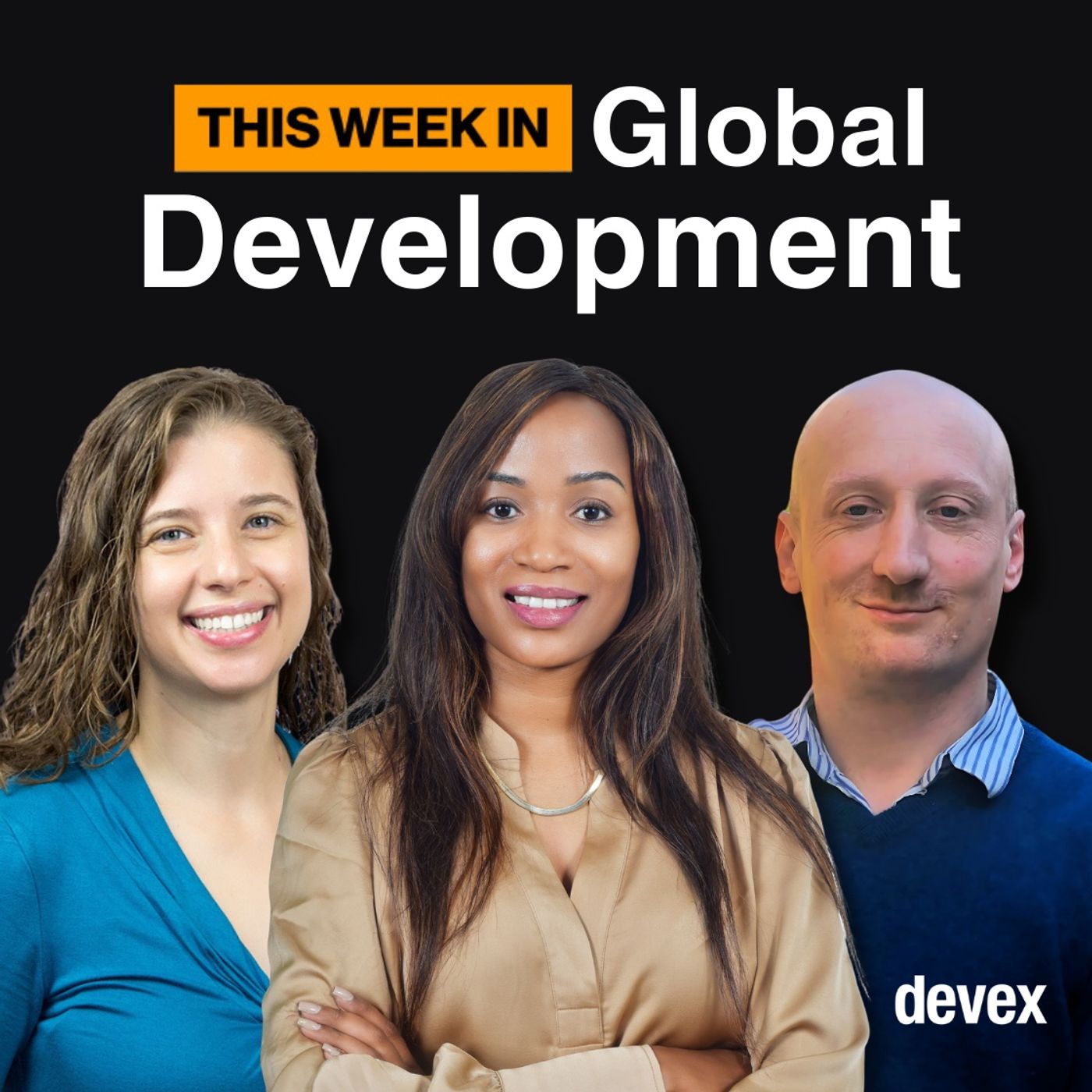
This Week in Global Development is a reported, journalist-led guide to the decisions shaping aid, finance, and humanitarian work. It is less interested in slogans than in how systems behave once money, mandates, and politics meet. The show often begins with a concrete news peg. A conversation from Washington, D.C., becomes a broader look at falling official development assistance, World Bank priorities, and the search for a new chapter in development cooperation. The discussion can be technical. It also keeps returning to practical consequences: which countries receive funds, which agencies can keep programs running, and which communities are left carrying risk. U.S. foreign aid strategy, OCHA funding, PEPFAR finances, and the Global Fund sit alongside episodes on philanthropy, water, energy, and health. The result is a newsroom conversation with policy memory. Special editions widen the frame without losing that discipline. A feminist crisis response episode asks why humanitarian neutrality can obscure power, history, and resource allocation. A breast cancer episode reframes diagnosis and treatment as issues of income, household stability, and development infrastructure, especially in low and middle-income countries. The AI episodes are similarly grounded. They ask what standards of evidence should govern new tools, what being AI ready means in practice, and whether emergency cash systems can move faster without increasing harm. Guests and Devex journalists are given room to explain. Follow-up questions pull broad claims back toward budgets, institutions, and implementation. The pacing is measured, sometimes dense, and rarely theatrical. That is part of its value. For listeners who care about global development as a living set of trade-offs, the show offers context that daily headlines usually leave out.