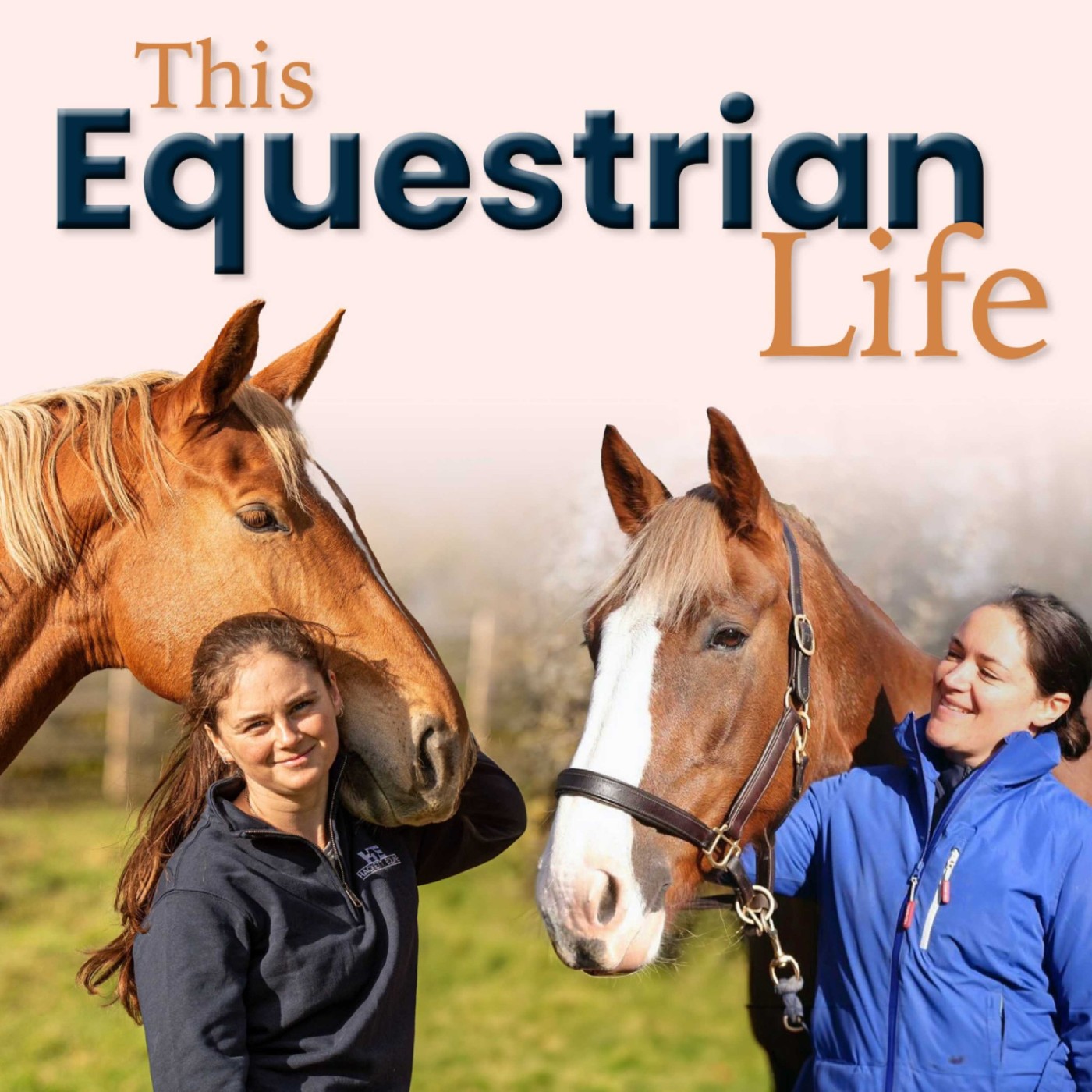
This Equestrian Life has the shape of a catch-up between horse people, but the substance often runs deeper than the opening banter suggests. One minute it is sunshine, fly shampoo, Christmas mucking out, or a recording microphone balanced on whatever is nearby. The next minute it is hoof structure, lameness, rehab milestones, welfare perception, or the strange pressure of competing. That range is the point. The show treats equestrian life as messy, emotional, technical, and highly specific, with practical horse care sitting right beside self-doubt, excitement, exhaustion, and reflection. Miri and Rhi appear across the recent episodes as the regular conversational centre, moving between their own horses and guest-led discussions. The pace is quick. Ideas arrive through anecdotes, then circle into bigger questions about partnership, confidence, biomechanics, injury prevention, and whether familiar routines are actually serving the horse. Episodes with Nic Barker focus on track livery, barefoot transition, mild to moderate lameness, nutrition, and the value of gentle continuous movement. Gillian Tabor's episode challenges formulaic rehab plans, arguing for milestones, evidence, and individual decision-making rather than neat calendar blocks. Mia Rodley's appearance brings bridleless competition into a broader discussion of trust, pressure, liberty work, and mental connection. Other episodes look at competing, disconnection, welfare conversations at the top of the sport, colic management, saddle changes, and the emotional realities of moving yards or rebuilding confidence. The show is not clinical, though it is often serious about evidence. It is not glossy, though it can be genuinely thoughtful. Its appeal comes from hearing equestrian problems worked through out loud by people who are still learning, still questioning, and still trying to do right by the horse in front of them. The best episodes leave room for uncertainty without drifting into vagueness. They make space for the horse as the final source of feedback. For listeners who live inside horse-world detail, that combination can feel unusually honest.