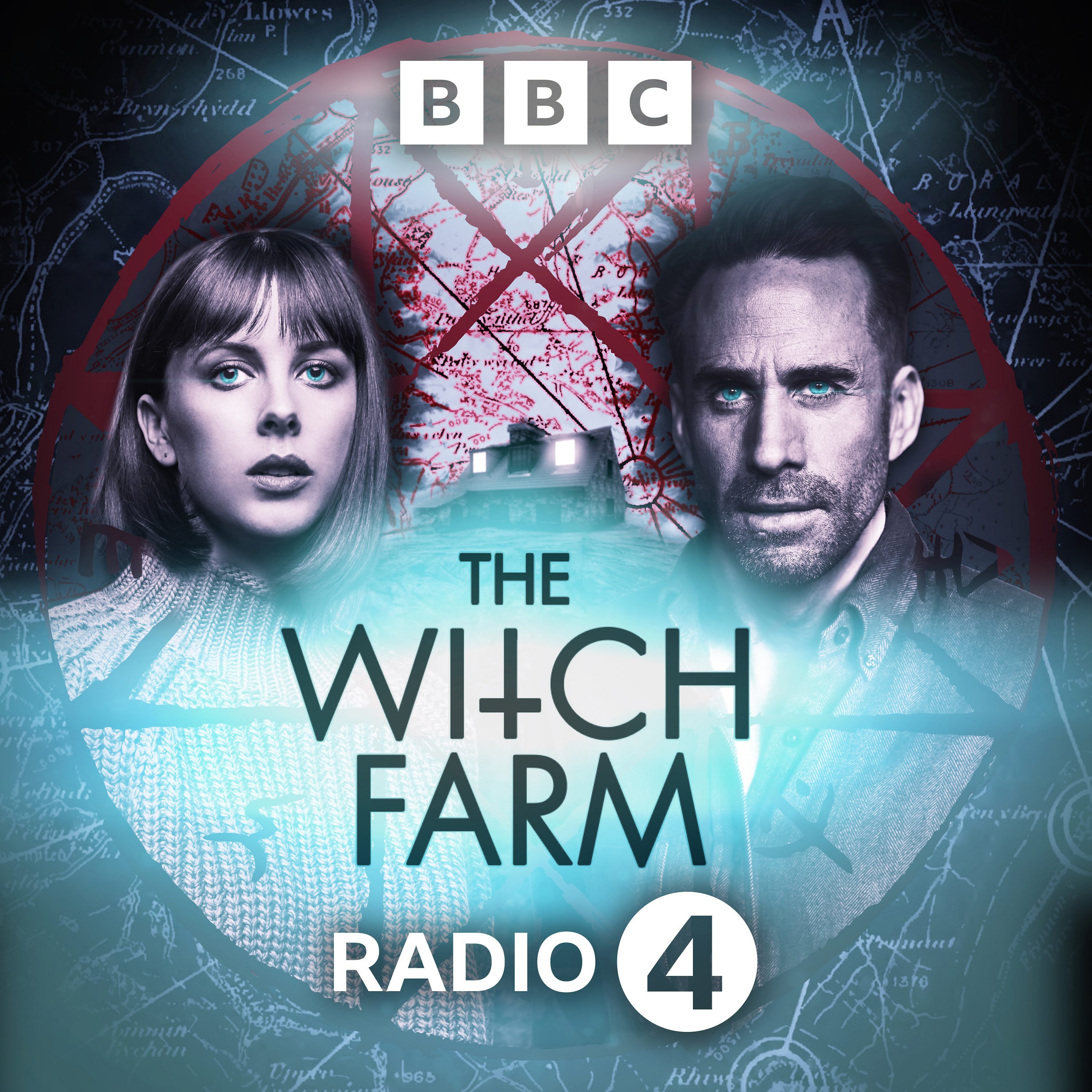
The Witch Farm is a BBC paranormal investigation built around Heol Fanog, a remote farmhouse beneath the Brecon Beacons. The case begins with a family looking for a fresh start. Then the house changes shape. Liz and Bill Rich’s experiences are presented through testimony, reconstruction, commentary, and return visits that keep the fear close to the ground. The series does not treat every strange event as proof. It keeps asking what else might explain it. Thunderous footsteps are weighed against dream-state possibilities. Phantom door-banging, frightening smells, apparitions, alleged possession, animal deaths, and a huge electricity bill become recurring pieces of evidence rather than isolated scares. That structure gives the show its grip. A scene lands, then the investigation circles back and tests it. Liz Rich’s discomfort outside the gate is one of the show’s strongest signals, because the story keeps returning to how fear sounds in a witness’s voice. Bill Rich and the family remain central to the emotional stakes. Ciaran brings sceptical pressure, while Evelyn’s comments help place the phenomena inside familiar haunting patterns. Case-update episodes make the series feel unusually alive. Listener questions push the show toward local resentment, poisoning theories, animal disease, and the obvious but complicated question of why the family did not simply leave. The Welsh landscape matters too. Local Brecon historian Mike Williams connects the surrounding hills to older stories, ancient routes, witchcraft, and Gwyn Ap Neath. Later material moves into ritual, magic circles, and Welsh spiritual practice without losing the investigative frame. The show is best for listeners who want a haunting with witnesses, folklore, and arguments, not just atmosphere. It has plenty of dread, but its real appeal is the methodical return to the same unsettling evidence from another angle.