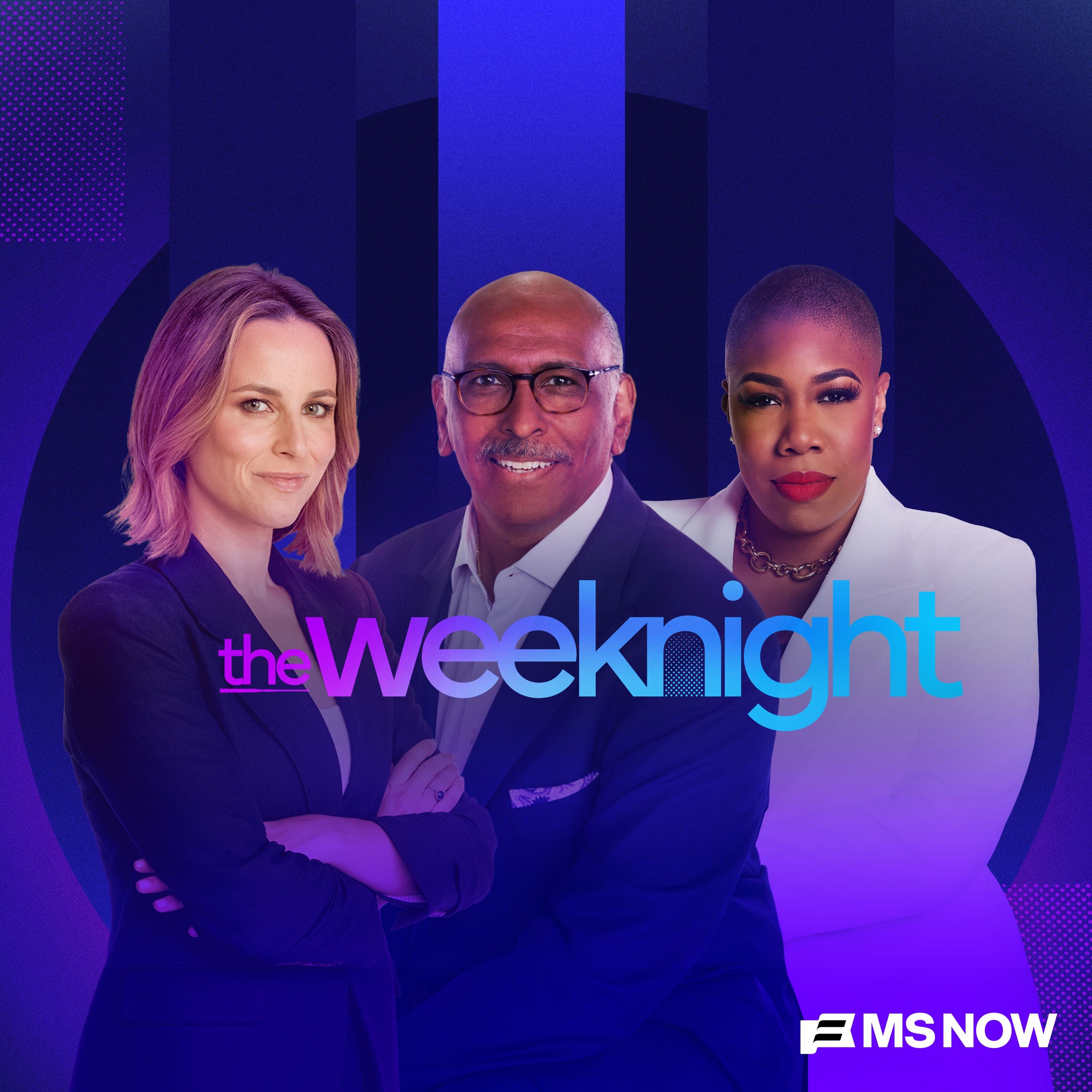
The Weeknight is built for politics that will not sit still. It moves fast because the stories do. Recent episodes track Donald Trump’s war with Iran, the fragile ceasefire that followed, and the public contradictions around what was actually agreed to. The show keeps asking the practical question underneath the spectacle: who pays for the confusion? That may mean shipping through the Strait of Hormuz, gas prices before the midterms, recession warnings, or troops caught in the consequences of presidential threats. It also spends time on the symbolic fights that become policy fights. Pope Leo, J.D. Vance, Pete Hegseth, Christian nationalism, and AI-generated religious imagery all appear as pieces of a larger argument about power using faith, grievance, and media attention. The panel does not pretend to be neutral about the stakes. It calls out evasions, pauses on absurd details, and then pushes into the procedure behind them. War powers resolutions matter. Oversight testimony matters. Pardons, investigations, court records, and congressional committees are treated as the machinery that can either constrain power or be bent around it. The show’s rhythm is clipped and conversational, with guests entering to add legal, intelligence, budget, or political context. It is not a slow explainer. It is a nightly triage desk for viewers already following the headlines and looking for a sharper frame. Elections in Georgia and Wisconsin, Republican town halls, Federal Reserve pressure, Epstein-related hearings, and attacks on the press all fit the same pattern: a breaking headline becomes evidence in a broader case about democratic strain. The tone can be dry. It can be incredulous. It rarely cools into distance. The Weeknight works best for listeners who want their political news argued clearly, tied to consequences, and delivered with the impatience of people who think the details still matter.