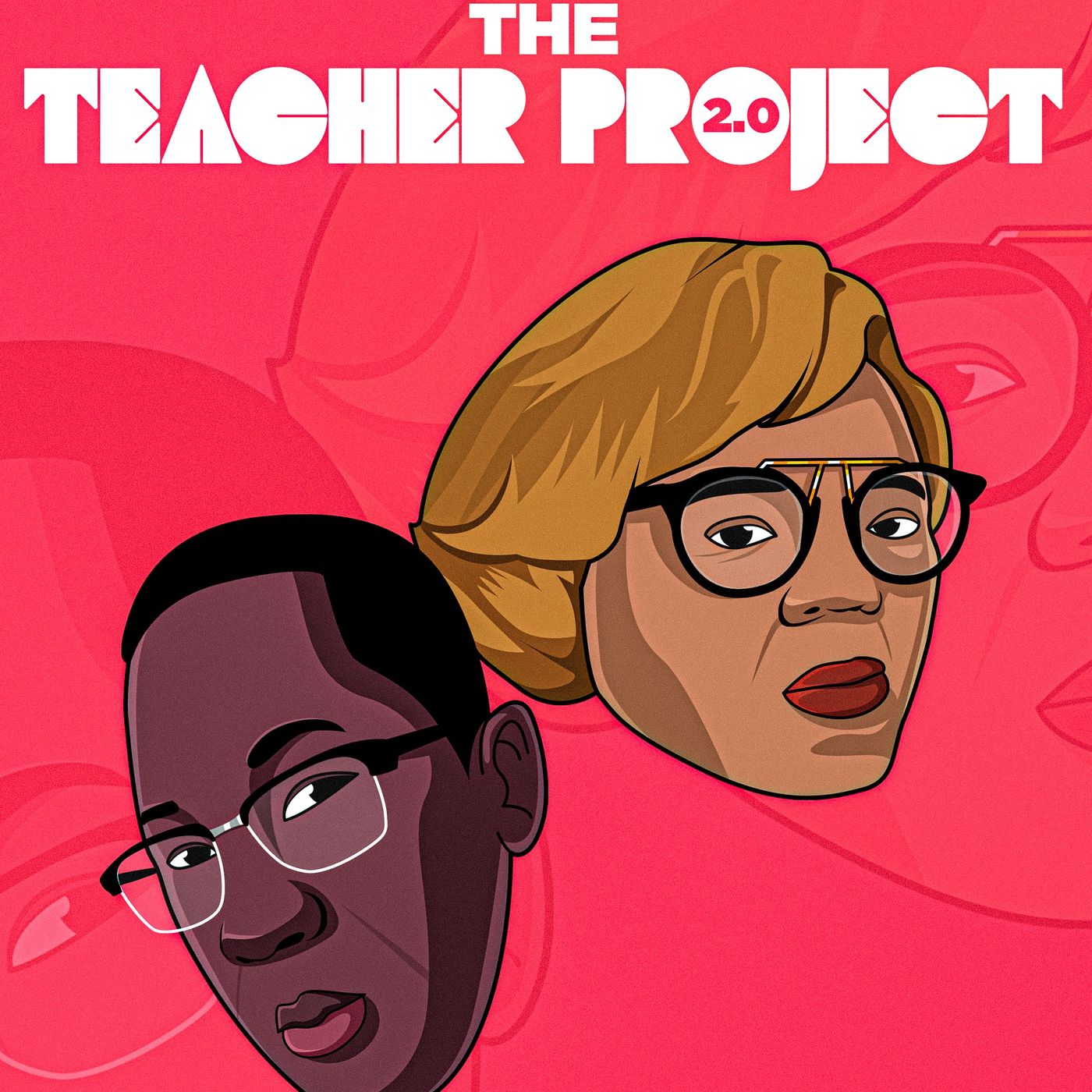
The Teacher Project 2.0 covers education as a contested public system, where policy decisions land on teachers, students, families, and already strained schools. The tone is loose, direct, and alert. Recent conversations track the Department of Education, school mental health funding, campus program cuts, teacher certification fights, student loan forgiveness, and local stories that reveal larger failures. The show treats those stories as connected. A court ruling on mental health grants is not just a legal item; it becomes a question about whether schools are being denied the support they plainly need. A headline about uncertified teachers becomes a broader argument about why qualified educators are leaving. The classroom perspective matters here. They push past official language and ask what conditions actually make the job unbearable: low pay, poor support, supply costs, student behavior, parent expectations, and administrators who respond too late or too lightly. The show also follows the cultural and political pressure around schools. Women’s studies, LGBTQ programs, Black studies, college protest discipline, transgender athlete records, religious-display legislation, and North Carolina education funding all appear as part of a wider argument about power. The pacing can be chaotic. That is part of the texture. Articles are read aloud, chat comments interrupt the flow, names get checked, side conversations break in, and the broadcast often ends by sending the audience to another live session. The result feels less like a polished education briefing and more like a standing community meeting with receipts. It can be funny in one breath and furious in the next. It is also careful when the facts are incomplete, as in the discussion of a teacher fired after intervening with a special needs child. The show’s strongest moments come when it refuses easy outrage and insists on context. It knows schools are complicated. It also knows complexity is often used as an excuse to ignore obvious neglect. The Teacher Project 2.0 is best for listeners who want education news with lived educator frustration, social justice emphasis, and a willingness to call political decisions by their consequences.