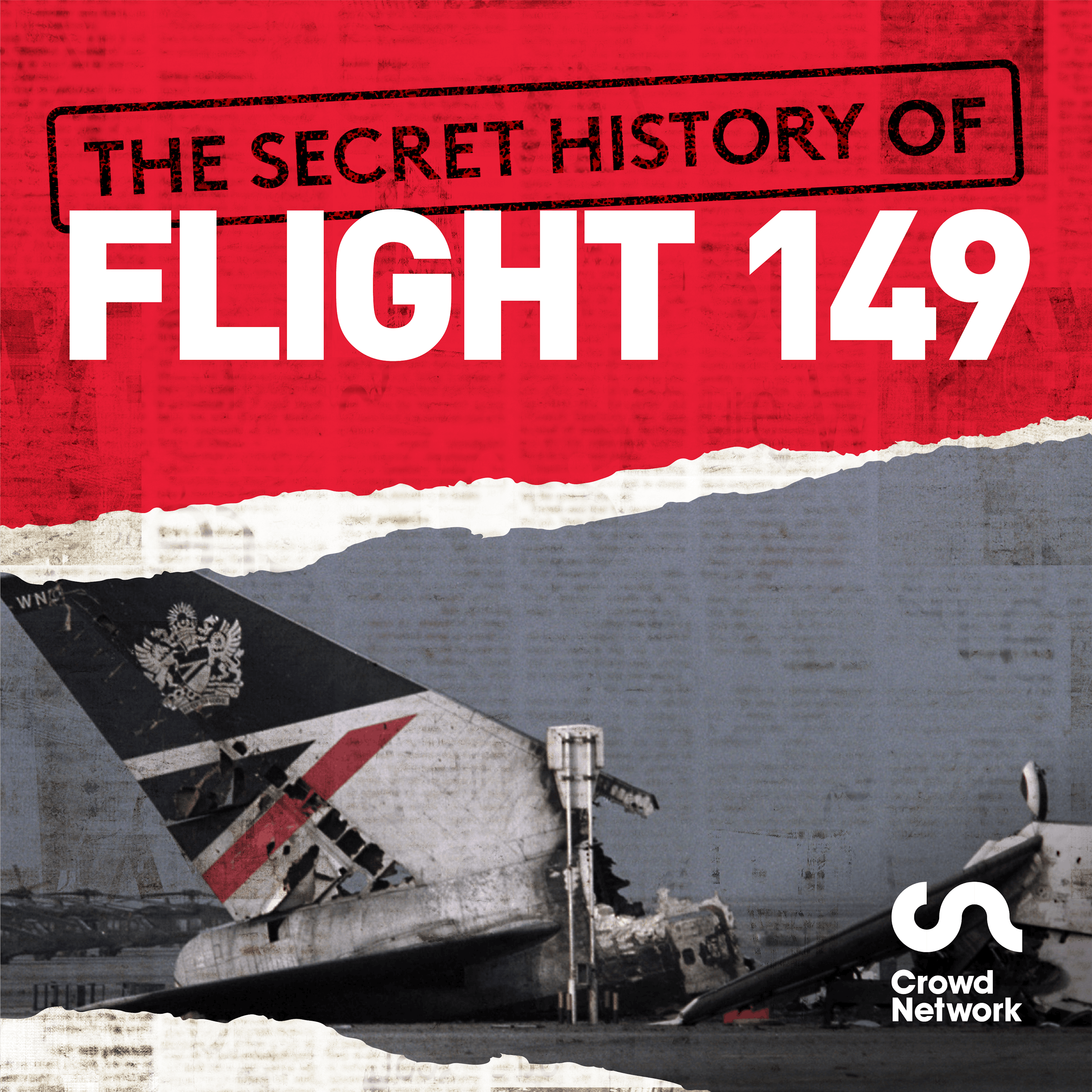
The Secret History of Flight 149 is an investigative documentary feed built around events where the public record does not feel complete. It starts with BA Flight 149, a passenger plane caught in a war zone and remembered through people held as human shields in Kuwait. The story is not treated as a simple historical outrage. It becomes a question of timing, responsibility, government knowledge, and the cost paid by passengers and crew. Later series widen the frame while keeping the same method. The Estonia episodes return to the passenger ferry that sank in the Baltic Sea, killing 852 people, and test the official explanation against survivor accounts, ship mechanics, smuggling claims, and new underwater evidence. The Antarctica episodes follow the death of Rodney Marks, an Australian astrophysicist who died from methanol poisoning at the South Pole station. That case moves slowly through medical decisions, delayed investigations, coroner proceedings, and the difficulty of examining a possible crime scene thousands of miles away on the ice. The pacing is measured. The narration gives listeners enough guidance to follow complicated geography, technical detail, and institutional history. Interviews do much of the evidentiary work. A witness account is not just atmosphere; it changes what can be believed about a corridor, a ship door, a medical response, or a government denial. The show is comfortable with uncertainty. It often narrows possibilities without pretending every contradiction can be solved. That restraint is part of its force. Stephen Davis brings a long memory to the material, connecting older reporting to newly surfaced evidence and to people who have spent years trying to be heard. The result is history told as an active investigation, not a closed file.