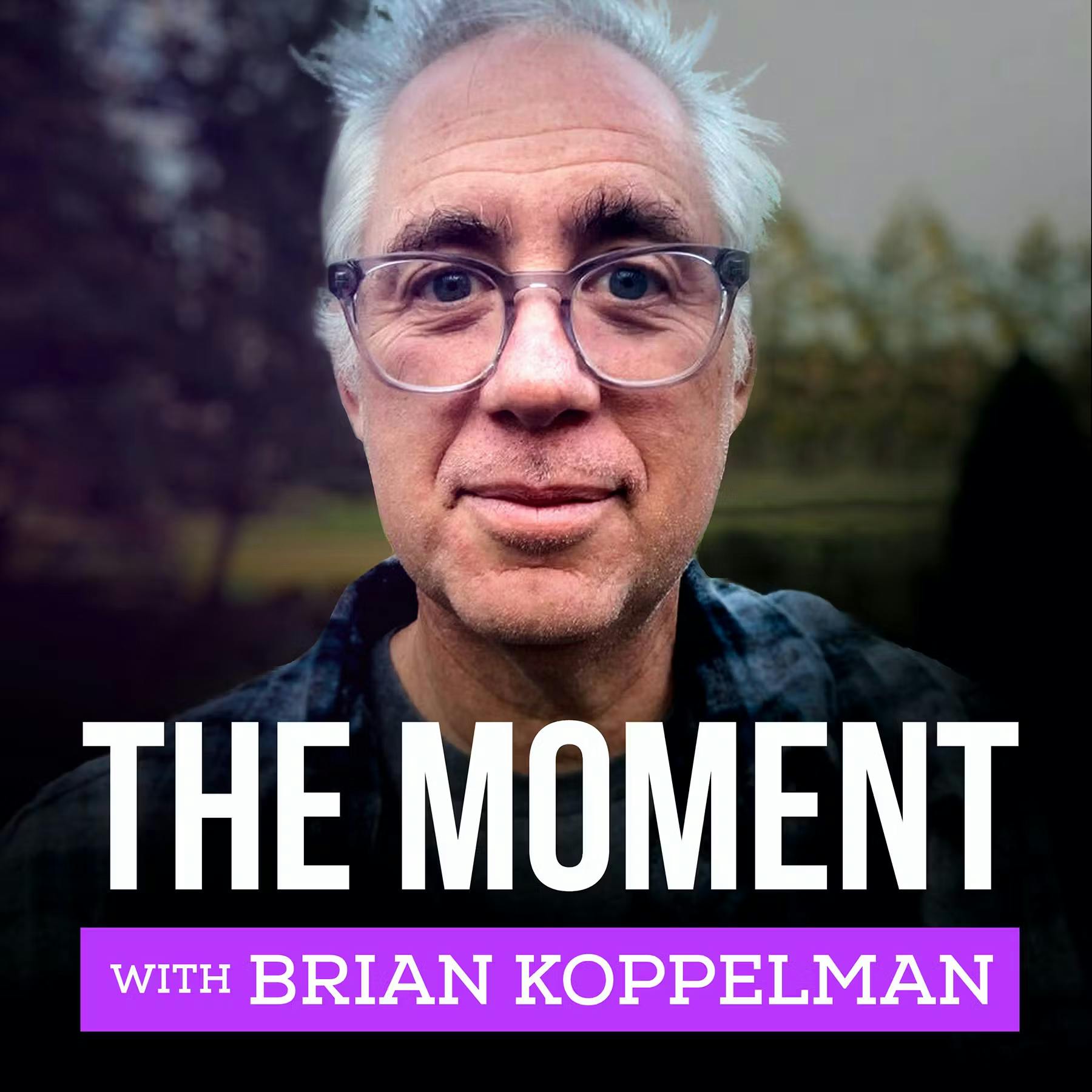
The Moment with Brian Koppelman treats interviews as a way to study the pressure behind a life’s work. It is not a highlight-reel conversation. The show lingers on the private mechanics of public achievement: how songs get revised, how books hold memory, how criticism can begin with generosity, and how a career changes once the world starts telling a story about it. Brian Koppelman speaks with people from music, film, literature, comedy, criticism, television, and sports, then keeps nudging the conversation toward the moment when talent had to become a practice. The guest list in these excerpts is wide but coherent. Duff McKagan talks about songwriting, prose, family, and the stories people tell themselves. Elvis Mitchell reflects on criticism as an act of understanding before judgment. Rick Rubin circles the mystery of creative breakthroughs, where nobody can quite claim ownership of the magic when a piece suddenly works. Christopher Storer’s episode turns toward The Bear, Rounders, and the charged feeling of being seen by artists who mattered to the work. Dominique Wilkins brings the show into race, public dignity, family legacy, and competitive drive. Jason Isbell talks about listening to new work while it is still close enough to hurt. Gilbert Gottfried becomes the center of a memorial episode about formative comedy and the shock of seeing a performer risk failure in front of a room. Paul Auster’s conversation moves through biography, Stephen Crane, fiction, memory, and the moral limits of invention. The show’s shape comes from Koppelman’s habit of synthesizing what a guest has said and returning it with more pressure. That can make the interviews feel personal, sometimes almost private. It can also make them unusually generous, because the point is not to trap guests in a take but to locate the deeper pattern inside their choices. The best episodes reward listeners who like process talk with emotion still attached. They ask what made the work possible, what the artist remembers, and what parts of the story may have changed in the telling.