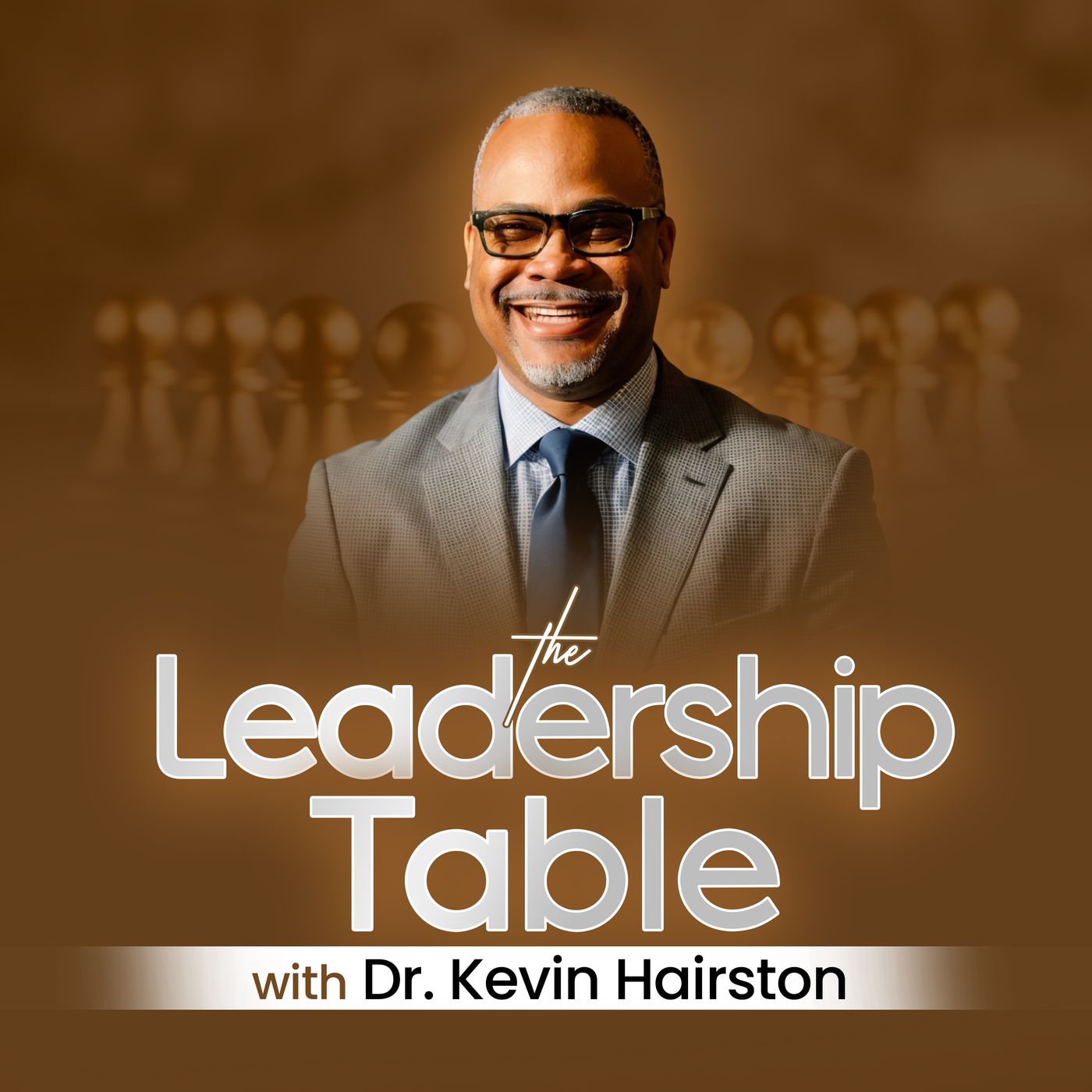
The Leadership Table With Dr. Kevin Hairston is an interview show about leadership shaped by service, faith, and local responsibility. Its conversations are rooted in Central Ohio, especially Columbus and the surrounding civic, educational, church, and neighborhood institutions that shape daily life. The show moves at an unhurried pace. Guests are given room to explain where their leadership began before the conversation turns toward what their work asks of them now. A judge describes fairness not as an abstract value, but as conduct inside a courtroom, including how people are addressed, heard, and guided through legal processes. A community leader traces business, church missions, and Linden organizing into a broader question about preparing the next generation to carry the work forward. A school board member reflects on Columbus City Schools, student pride, board leadership, and the hard public scrutiny attached to education. Ministry episodes bring a similar patience, treating pastoral work, chaplaincy, self-care, training, and spiritual grounding as disciplines rather than slogans. The show also makes space for civic advocacy, tax abatements, public office, cultural rootedness, Black consciousness, housing, child care, and community collaboration. It is earnest without being slick. The questions often affirm a guest's story, then ask what lesson it offers to families, students, congregations, city leaders, or neighborhoods. Faith language appears naturally, especially in conversations with pastors, chaplains, and church-connected leaders, but the show's larger subject is practical service. It is interested in people who stay close to the work. That gives the series a distinctly local texture, with Columbus not just as a setting but as the proving ground for its ideas about leadership. The show works best for listeners who prefer reflective civic conversation over argument, spectacle, or quick business tips. Its value is in the cumulative portrait: leadership as patience, presence, mentorship, accountability, and care for institutions that real people depend on.