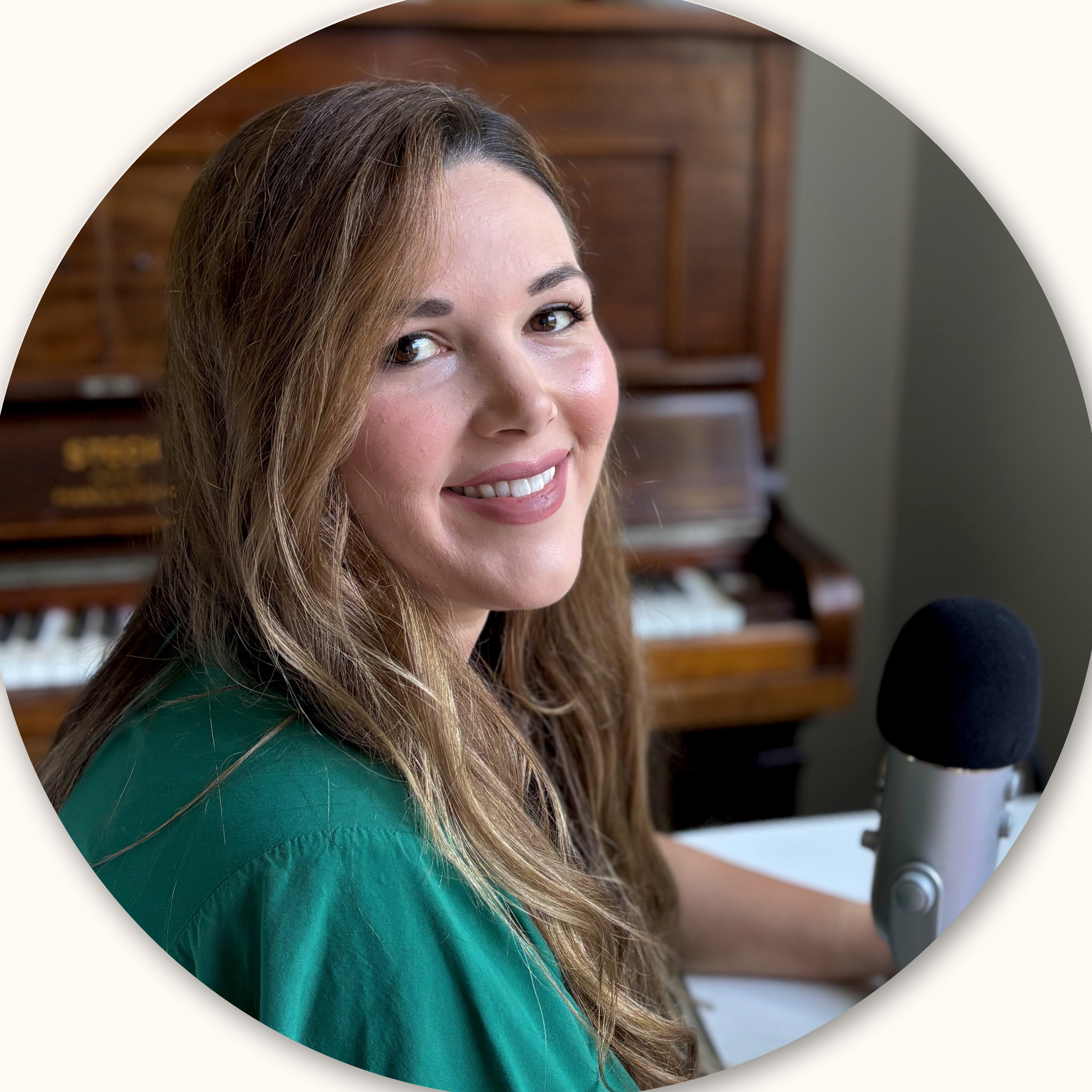
The Good Enough Mother is an expansive, emotionally precise show about motherhood as lived experience and cultural condition. It starts from mothers, not from idealized ideas about them. Sophie’s conversations often ask why ordinary maternal feelings become framed as personal failure when they are shaped by unsupported systems, inherited expectations, and the daily pressure to keep giving. The tone is calm and thoughtful. The subject matter is often heavy. Episodes make room for love and difficulty at the same time, especially in discussions of maternal ambivalence, postpartum distress, perimenopause, grief, attachment, and the changing self of early motherhood. Dr Margo Lowy’s episode frames ambivalence as a missing language for the loving moments and bitter truths of mothering. Dr Cristina Cavezza’s conversation links hunger, emotional regulation, unmet needs, and perimenopause to the work of caring for oneself while caring for children. Jessica Tomich Sorci brings internal family systems into maternal mental health, questioning how quickly struggling mothers can be pathologized when their reactions may also be protective responses to unsupported conditions. The show also turns toward infancy and attachment, with Dr Greer Kirshenbaum discussing nurturing practices, baby brain development, and intergenerational wellness. It does not stay only in theory. Sophie’s solo episodes sit with grief, Mother’s Day complexity, the death of her mum, and the difficulty of speaking authentically while still creating meaning from pain. The result is a show for mothers and mother-care professionals who want more than reassurance. It offers vocabulary for contradictions. It respects tenderness without demanding cheerfulness. It treats maternal identity as layered, relational, bodily, and political. Episodes can feel like a reflective supervision room as much as a parenting podcast. The through-line is clear: mothers are not problems to be fixed; they are people living inside conditions that deserve serious attention.