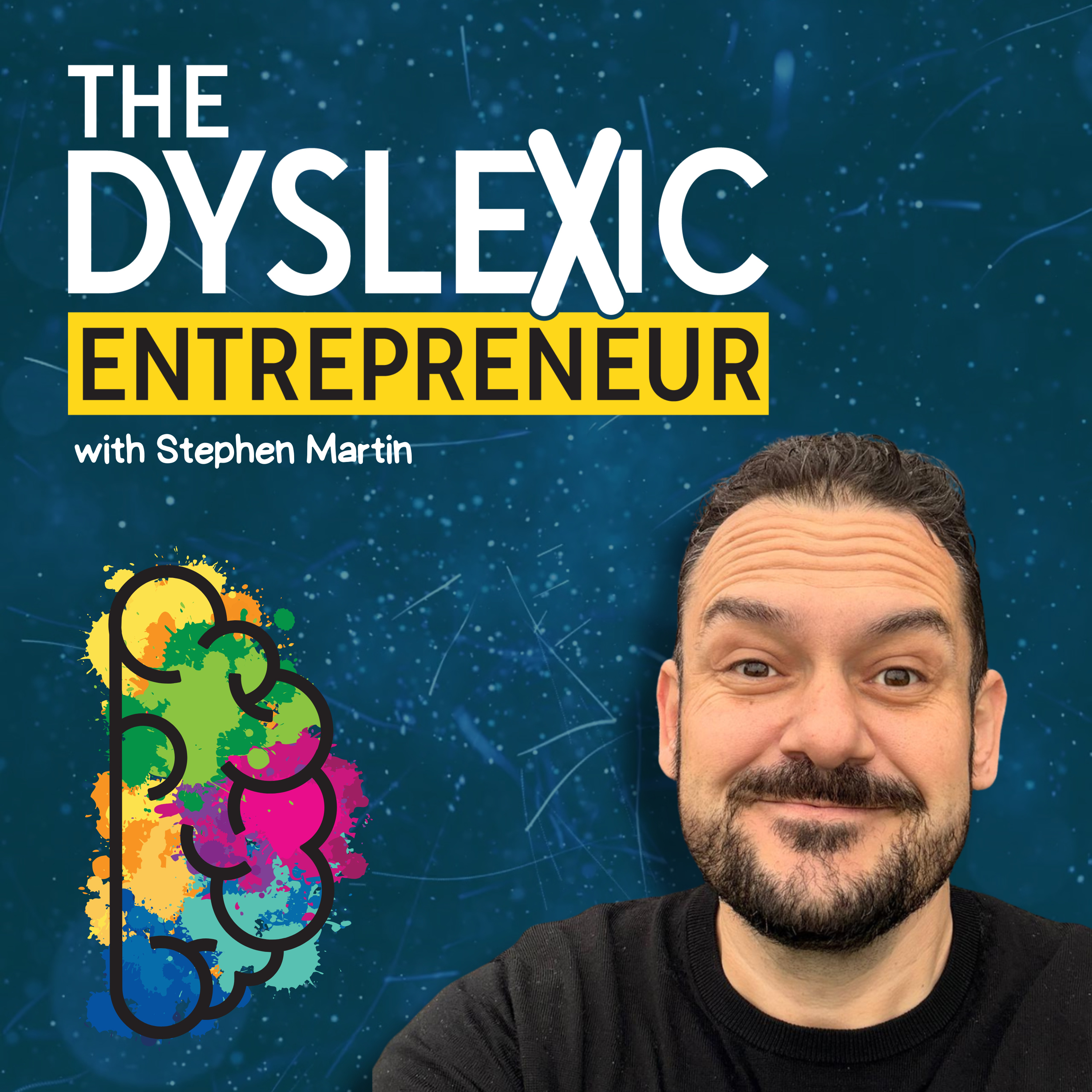
The Dyslexic Entrepreneur Podcast sits at the crossroads of neurodiversity, small business, and self-leadership. It is not polished business theater. Stephen speaks from the lived reality of being dyslexic, self-employed, inconsistent in some ways, deeply consistent in others, and still trying to build systems that make sense. That gives the show its useful edge. It treats entrepreneurship as both opportunity and pressure, especially for people who have spent years feeling behind, misunderstood, or hard to employ. AI comes up often. Stephen argues that dyslexic thinkers should stop competing with AI and start using it as leverage, especially for busy work, copy, ads, ecommerce, support, and business planning. The advice is rarely abstract. A lesson about starting in 2026 becomes a case for sharper niches, smaller teams, better outcomes, and a more specific market. A reflection on dyslexic pattern recognition becomes a business argument. A conversation with David Chalk turns communication, confidence, and big ambition into a broader point about creating work on one's own timeline. Guest episodes stretch the show beyond Stephen's own experience. David Chalk is presented as an advocate and entrepreneur with a large story to tell. Phil brings dyslexia and entrepreneurship into a conversation that begins with childhood memories and moves toward lessons from work and life. Mike Stiles brings a history of helping dyslexics, including experience with education, workplace literacy, and people who went undiagnosed and unsupported. The solo episodes can be more raw. Stephen talks about weight, sobriety, relapses in routine, and the odd comedy of knowing better while still doing the human thing. That honesty keeps the business advice grounded. The show works best for neurodivergent adults who want tactics with a bit of scar tissue on them. It is encouraging, but it does not sand off the frustration. It names the problem, circles it, and then looks for a practical way through.