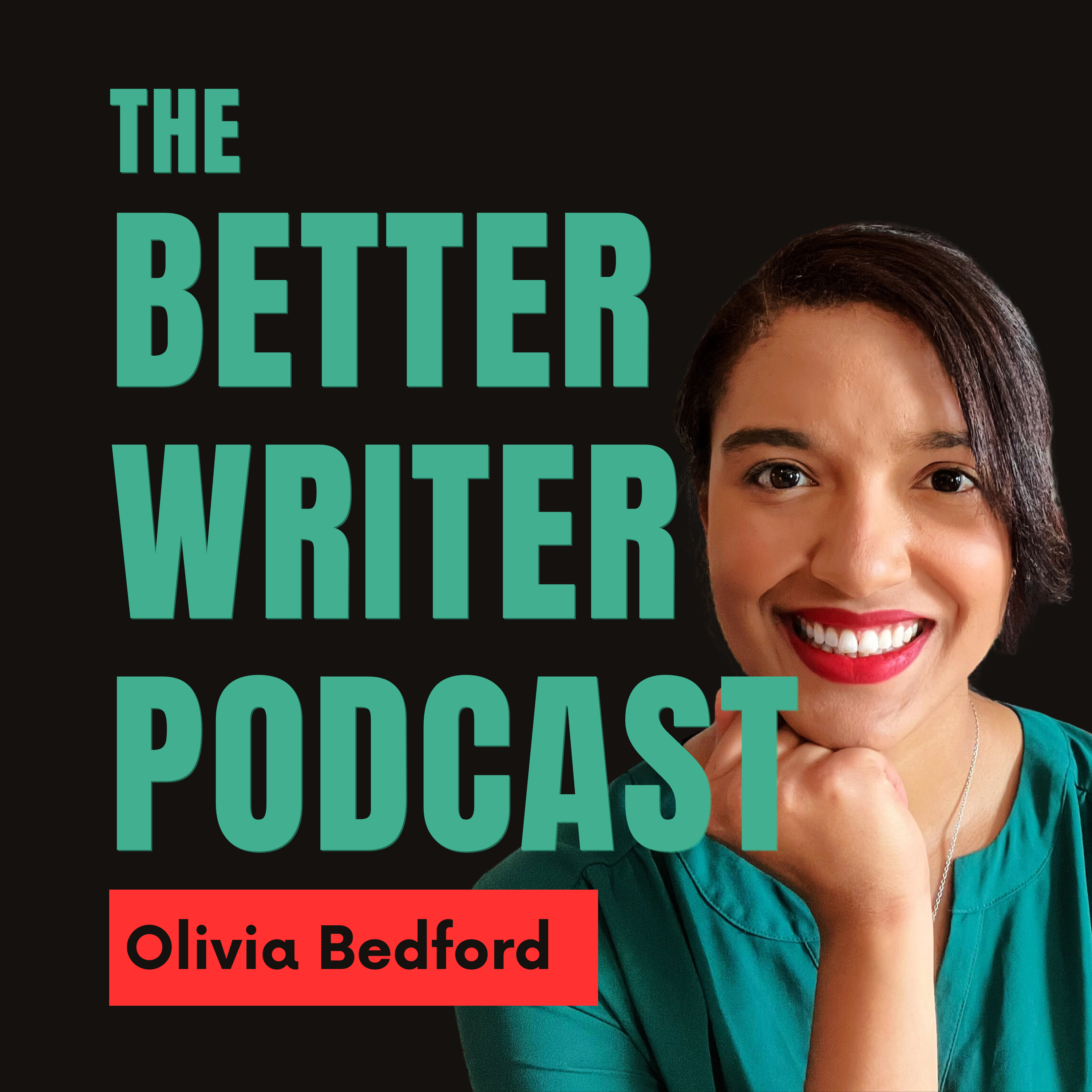
The Better Writer Podcast is a measured, teacherly series for fiction writers who are trying to revise a novel without losing the thread. It starts from a practical assumption: a messy draft can be understood. Olivia spends most of her time giving writers a way to see what is actually on the page before they start fixing individual sentences. That distinction matters. Again and again, the show separates revision from editing, story-level decisions from line-level polish, and useful feedback from support that arrives too late in the process. Episodes often feel like office hours for writers with a full manuscript and too many possible problems. The advice is specific. Reverse outlines, scene checklists, reader expectations, draft analysis, point of view, genre conventions, and scene-level action all become part of a larger revision system. The show is especially interested in why familiar writing advice fails when it is treated as a shortcut. “Show, don’t tell” is not presented as one switch to flip. It becomes a layered craft issue involving real-time scenes, character perspective, dialogue, action, summary, emotional access, and sentence-level specificity. The pacing is patient, sometimes repetitive in a useful way, because the show is trying to make a difficult process feel visible. It also carries the texture of a working editorial business. Olivia talks about shifting from sample edits toward coaching, using dictation without outsourcing the thinking, reorganizing her office, and building more support around long-term revision. Those moments give the instruction context without turning the series into a diary. The recurring promise is not speed. It is clarity. For writers who tend to reread from page one, fix small problems, and then wonder why the book still feels scattered, the show offers a more strategic route. It favors planning before rewriting. It treats overwhelm as a signal that the process needs structure, not proof that the writer cannot do the work. The result is warm, firm craft education for novelists who want the next draft to become more coherent, not merely cleaner.