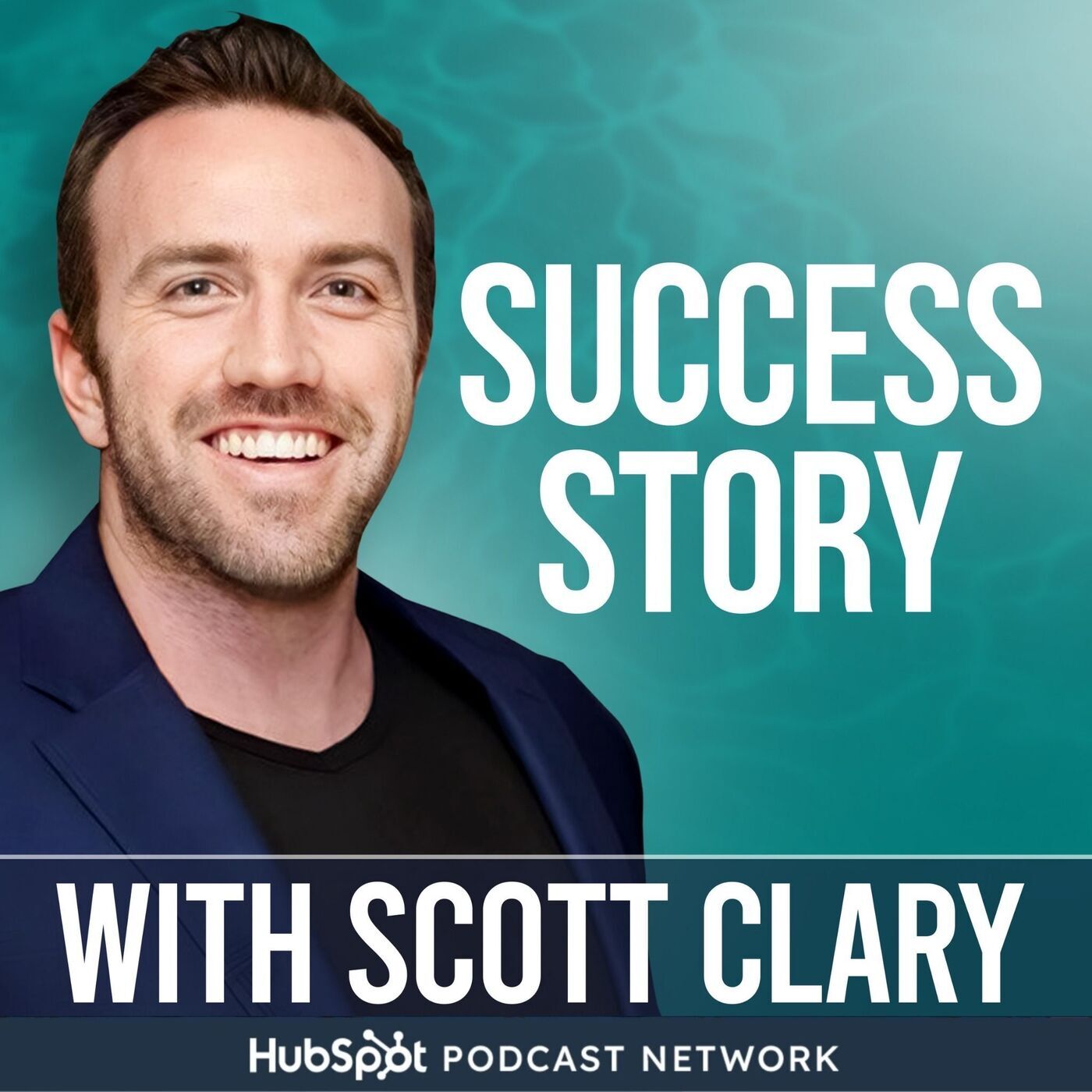
Success Story with Scott Clary is a business interview and lessons show about what achievement demands from people after the headline win. It is built for ambition, but it is rarely only about ambition. Recent episodes move from startup execution to emotional intelligence, from AI product work to the loneliness and restlessness that can follow professional success. The show likes frameworks. It asks how founders identify product-market fit, why building with an exit in mind can create leverage, and how consumer insight turns a promising idea into something scalable. It also asks harder questions. Why do high achievers reach the top and still feel empty? How does someone break out of scarcity thinking when rent, momentum, and fear are all pulling in the wrong direction? What does it take for leaders to build people rather than simply use people to build a business? The guest list gives the show its range. Arthur C. Brooks brings the science of happiness and meaning into the success conversation. Courtney Reum’s lesson episode centers startup pattern recognition, capital, product-market fit, and strategic execution. Matt Mayberry’s appearance frames culture as a repeatable leadership discipline, not office decoration. Vishal Varani connects AI, no-code tools, retention, trust, and the shift from demos to real business value. David Meltzer’s episode turns toward gratitude, persistence, mindset, and recovery after loss. Marc Brackett grounds emotional intelligence in research, naming, understanding, and regulating emotion as skills with consequences for performance and relationships. Gary Vaynerchuk brings the show’s more confrontational edge, arguing for ownership over blame and public image. Dr. Zahir Dossa’s story adds a product-builder lens, showing how personalized beauty grew from technology, customer feedback, and a promise of individuality. Across these episodes, the show treats success as something engineered, practiced, questioned, and sometimes rebuilt. Its best moments sit where business strategy meets psychological honesty. The format is direct, sponsor-polished, and oriented toward usable lessons. It suits founders, operators, creators, and career builders who want more than inspirational biography. The through line is clear: scale matters, but so do trust, culture, emotion, meaning, and the private discipline behind public outcomes.