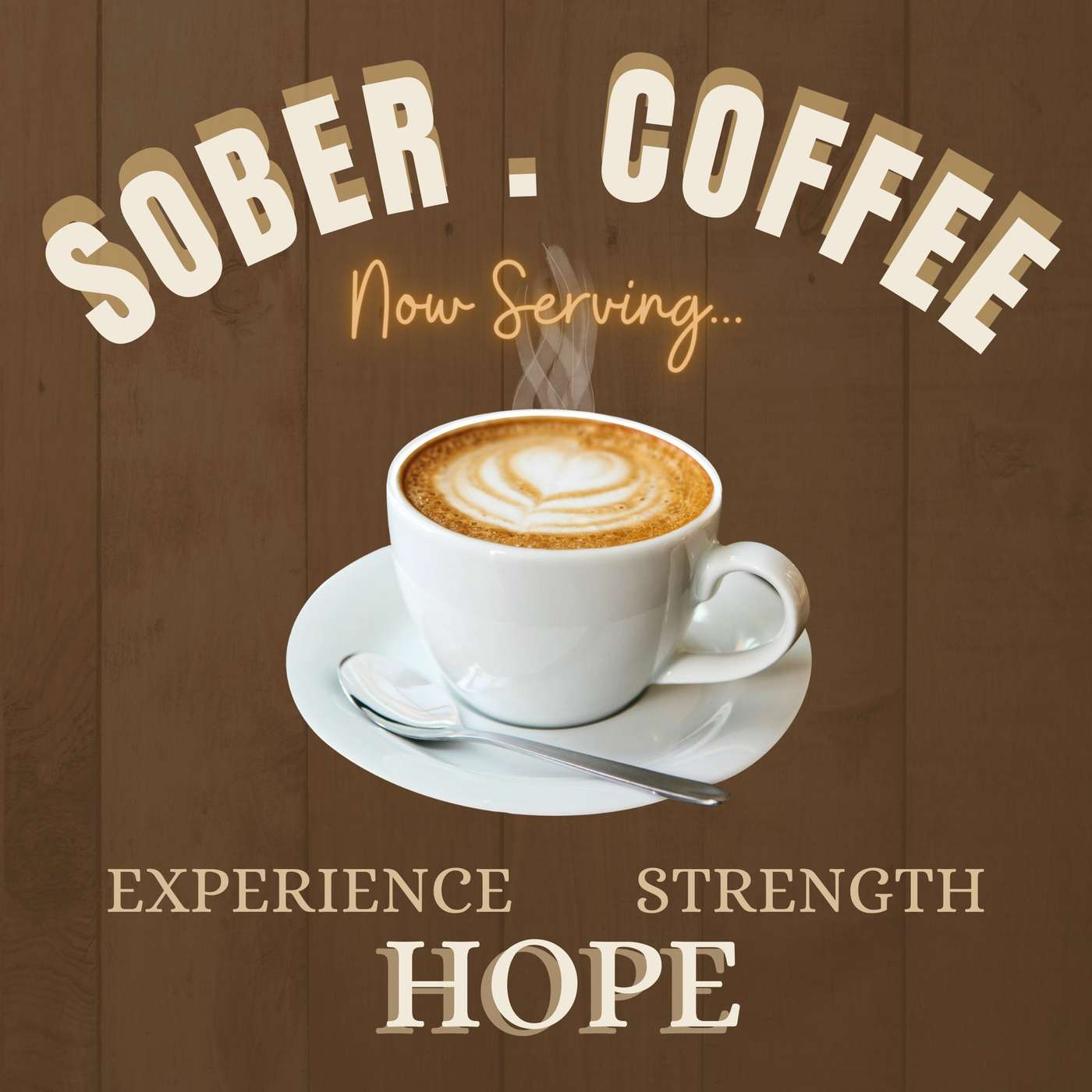
Sober.Coffee Podcast treats recovery as something talked through one honest morning at a time. The format is simple. Mike and Glenn gather around the idea of a coffee shop, open with easy banter, and then invite people into conversations that often become much more personal than the setup suggests. A joke about donuts can sit minutes away from a memory of a jail cell. That range is part of the show’s appeal. It sounds relaxed, but it keeps returning to serious questions: what finally made someone stop, what helped them stay stopped, and what kind of life became possible afterward. The recent episodes lean heavily on testimony. Justin Kinney talks about peace, fatherhood, discipline, writing, teaching, coaching, and recovery as a process rather than a completed task. Erin and Elizabeth bring the conversation toward women’s support, emotional honesty, family pressure, and the kind of friends who can lovingly say what needs to be said. Russell’s table time turns toward willingness, service, and the familiar AA language of going to any length. Jim O’Connor’s visits widen the lens to a recovery model built around home, work, and 12-step community support. Frank’s episode starts from an old spending-and-drinking story and turns it into a plain lesson about regret and changed priorities. The show is strongest when it lets a person’s story breathe. It often circles the same point from several directions, because recovery rarely lands as a neat conclusion on the first pass. Faith language appears naturally, especially around surrender to God, gratitude, and spiritual awakening. So does practical language about meetings, therapy, sponsorship, mentorship, daily routines, and starting with one meeting. Sober.Coffee Podcast is not polished in the glossy sense. It is polished enough to be listenable, but its real center is usefulness: people in recovery telling the truth in a way that might help someone else take the next right step.