A grounded case for teaching children calm before the world teaches them chaos.
John Rasmussen's conversation with Veronica Moya stays with one plain question: how children can grow calm, confidence, and resilience in an overstimulated world.

Jon Rasmussen
110 episodes listed below
Mystery tested against ordinary life.
Shaman Radio treats spiritual experience as a working system, not just a mood. Across interviews and structured dialogues, it connects shamanic healing, Catholic symbolism, child mindfulness, moral philosophy, and everyday transformation.
PRESS PLAY
Shaman Radio Presents Podcasts from Jon Rasmussen's Work is a spirituality show with a practical nervous system. It is interested in invisible realities, but it rarely leaves them floating. Episodes ask what a ritual does, how trauma distorts identity, why a child can sense what adults try to hide, and whether suffering is the true boundary of moral concern. The show moves through several formats. Some installments are live conversations with named guests, including Veronica Moya on children’s mindfulness and Peter Slough on business, travel, and unexpected lessons from baboon behavior. Others are structured dialogues built from Rasmussen’s material, where one voice advances a spiritual model and another supplies the skeptical objection. That structure gives the show its strongest rhythm. A claim is made. A practical resistance appears. Then the episode tries to make the metaphysics concrete. The Catholic Mass episode is a clear example, comparing Peruvian shamanic despacho with Eucharist, the sign of the cross, hucha, sin, grace, and the idea of ritual as a technology for sending and receiving. The communion episode treats ego, trauma, and the dark night of the soul through computer metaphors, turning inner change into something like a system reboot rather than a vague spiritual glow. The AI suffering episode stretches empathy from seal hunting history to Jeremy Bentham’s question about who can suffer. The children’s mindfulness conversation is gentler but no less pointed, framing meditation as daily mental hygiene for overstimulated kids. Throughout, Shaman Radio keeps returning to questioning, healing, and the strength of the soul. It is not polished wellness copy. It is warmer, stranger, more argumentative, and more willing to place shamanic practice, Christianity, psychology, business, family life, and future ethics on the same table.
Made for: For spiritually curious listeners who can handle shamanic language, Christian ritual, psychology, and moral philosophy in the same conversation. It especially suits people drawn to healing frameworks that invite skepticism rather than pushing it away.
What sets it apart: The show’s strength is its bridge-building: shamanic ceremony is compared with Catholic practice, trauma is described through everyday mechanisms, and moral philosophy is carried into questions about AI. It treats transformation as both sacred and practical.
30 Years of experience as a trained and practicing Shaman with over 10,000 session hours with clients from all walks of life around the globe are compiled into a series of podcast discussions. The podcasts are created in part using Google Notebook LM AI based on the written material and videos of Jon Rasmussen as well as live interviews and discussions on a large range of pertinent and timely topics for personal growth, health and world affairs.
Based on 4 episodes we listened to · September 2026
Rasmussen makes shamanic and comparative spiritual ideas tangible through guest conversations, practical examples and close attention to ritual action.
John Rasmussen keeps asking how spiritual systems show up in the body, the household and ordinary decisions. The feed moves between guest conversations and two-voice discussions of Rasmussen's ideas.
Jon Rasmussen puts Catholic Mass beside Peruvian shamanism, if your spiritual curiosity refuses to pick one doorway.
Press play if you want
Short reviews from the PlayNext desk, based on the episodes we processed.
A grounded case for teaching children calm before the world teaches them chaos.
John Rasmussen's conversation with Veronica Moya stays with one plain question: how children can grow calm, confidence, and resilience in an overstimulated world.
A wide-ranging argument that keeps faith, science, and selfhood in the same room.
This episode ties spirit, consciousness, science, and the future together without pretending the fit is tidy. It keeps returning to a simple tension: people can carry ancient wisdom and modern science in a phone, yet still feel split in two.
A long friendship turns a baboon encounter into spiritual reflection.
Shaman Radio leans on the long friendship between John Rasmussen and Peter Slough, then circles back to a filmed session that drew 400,000 views before moving into Peter Slough's move from the Bay Area to Colorado and the baboon encounter that gives the episode its center.
A thoughtful bridge between shamanic ritual, Catholic liturgy, and the body's memory.
The piece turns a startling body-memory story into a meditation on ritual as spiritual machinery: one man's 27 years of shamanic practice run up against the Catholic Mass, and the central question is what ceremony is actually doing to the soul.

Warm interviews for body-aware spiritual seekers.

Spiritual business growth through embodied truth.
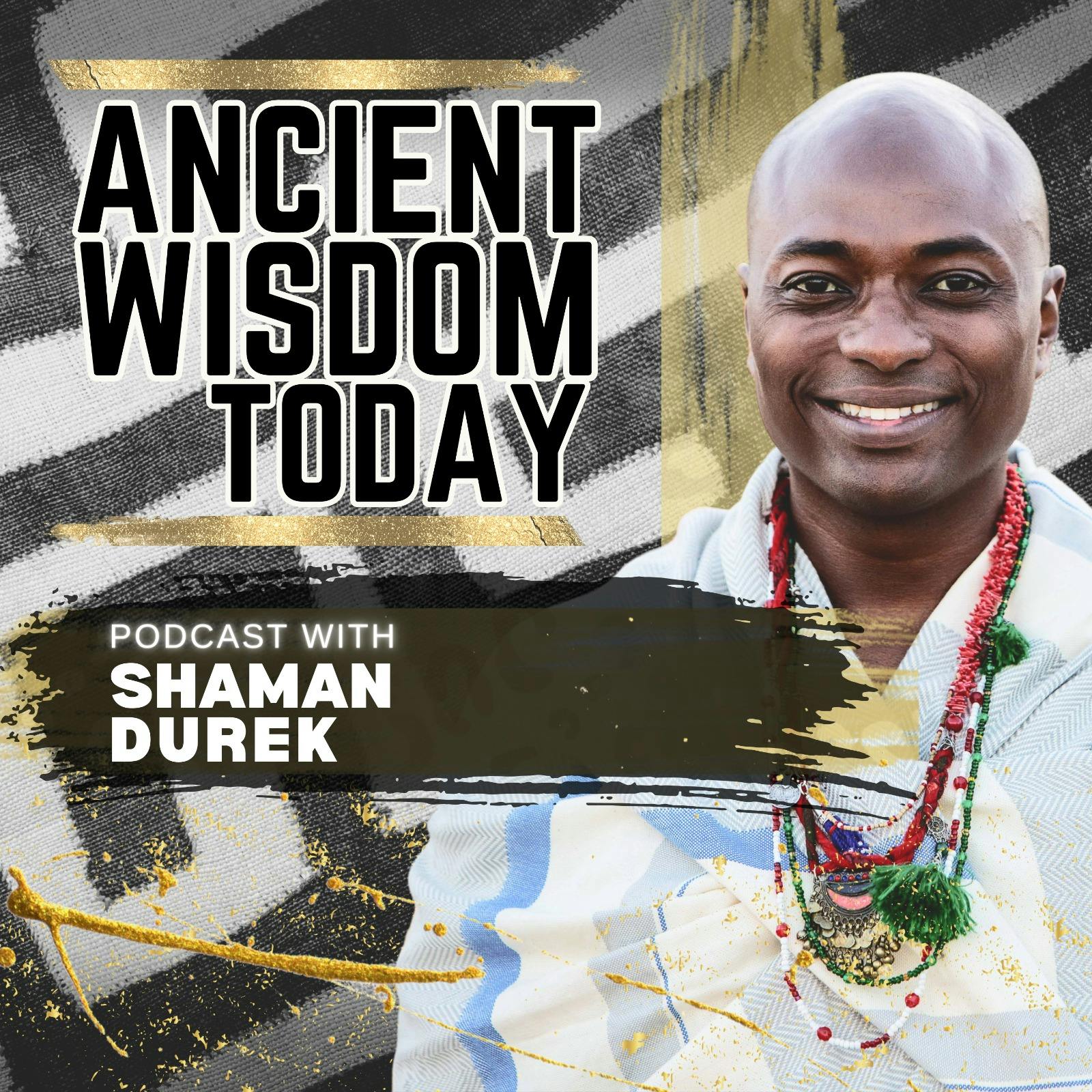
Shamanic motivation at full voltage.

High-intensity conversations about healing, belief, and power.

Practical surrender for spiritually led change.
Live circles for conscious personal change.
John Rasmussen's essay, as presented on Shaman Radio, links free will, the necessity of forgetting, shamanic traditions, Catholic theology, and non-human intelligence into one spiritual model of creation.
Veronica Moya talks with John Rasmussen about making mindfulness feel natural for children.
The episode opens by naming a modern paradox: humanity can carry the Tao Te Ching, the Gospels, and quantum physics on the same phone, yet still feel split apart.
John Rasmussen welcomes Peter Slough back to Shaman Radio.
John Rasmussen tells the story of a moment in healing work when his hands suddenly formed the Catholic sign of the cross.
The episode explores the historical expansion of moral empathy from animals to potential AI suffering, using a seal story as a springboard.