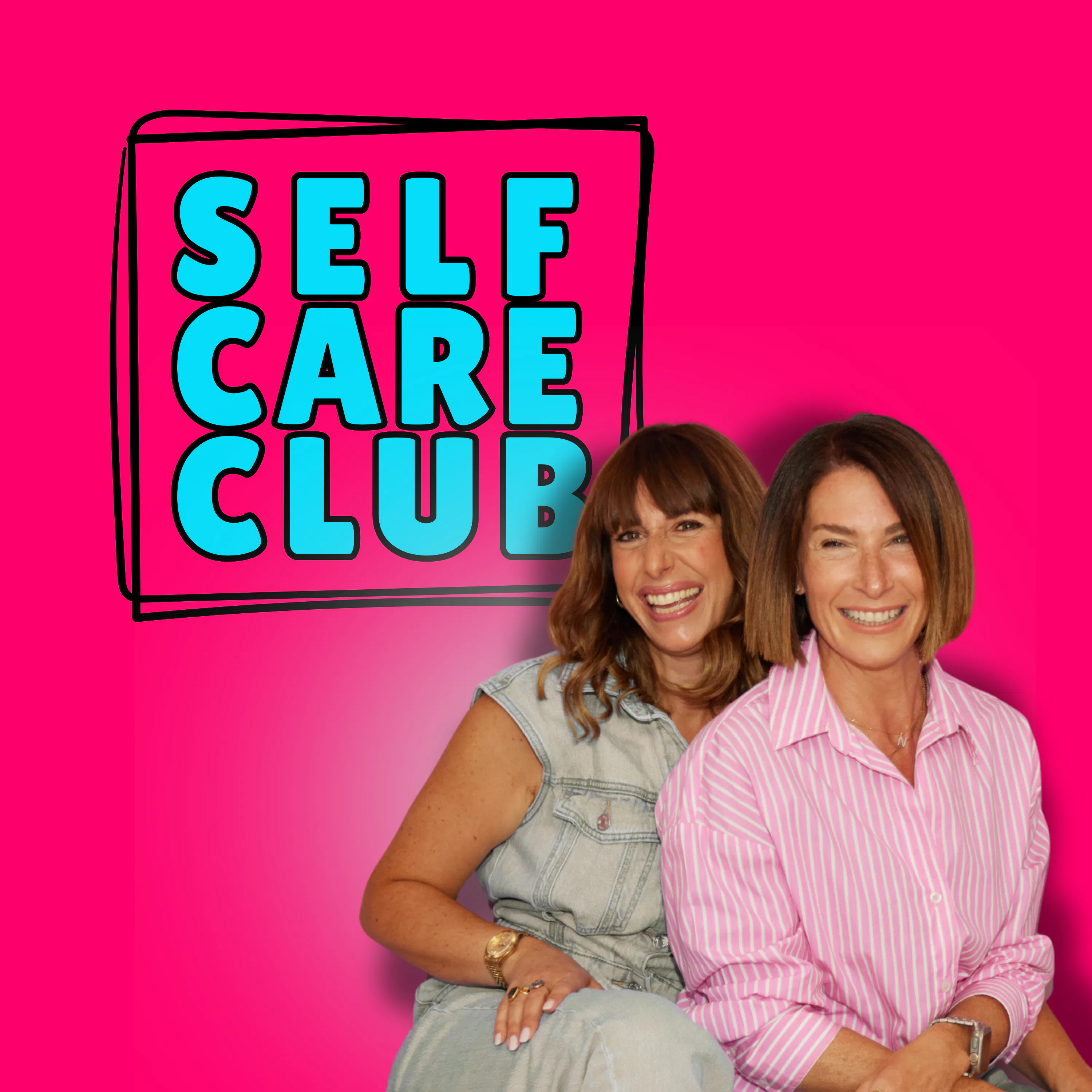
Self Care Club is a wellness show with a built-in resistance to wellness theatre. Its central habit is simple: try the practice, live with it, then come back with a verdict. That gives the show a useful spine. It is not just swapping tips or repeating advice; it keeps asking whether a practice improves wellbeing or simply adds another obligation to an already crowded life. The register is warm and quick. Serious subjects sit beside throwaway jokes, listener feedback, midlife complaints, and the sort of ordinary detail that makes health talk feel less remote. Recent episodes show that range clearly. Bowel cancer and colonoscopies are treated as important, but also as topics people avoid because they feel embarrassed. Hearing loss becomes a conversation about dementia fears, cognitive load, relationships, and why unmanaged listening effort can make daily life harder. Menopause awareness, fibre, friendship fallouts, and post-operative middle-aged self-recognition all sit in the same world. So do chocolate, TV recommendations, Wuthering Heights, Facebook fatigue, and the dark little comedy of comparing cereal boxes for fibre content. The show’s companion 40ish episodes lean further into the chaos and absurdity of 40-something life, but the emotional centre is similar: practical honesty, fast back-and-forth, and permission to admit that ordinary life has become strangely complicated. Its best moments happen when a clinical or wellness idea is turned into something a person can recognize immediately. A hearing aid is compared to glasses. Listening effort is explained as the brain working harder to fill gaps. Self-care is not treated as a halo. It can be chocolate, rest, a hard conversation, a medical appointment, or a decision to stop chasing power and notice contentment. The show is especially strong on the tension between knowing what would help and not quite doing it. That makes it useful for listeners who want health information, but also want someone to acknowledge resistance, embarrassment, fatigue, and humour. It is chatty, but not empty. It is reassuring, but not bland. Self Care Club’s real appeal is that it makes wellbeing feel testable, human, and allowed to be imperfect.