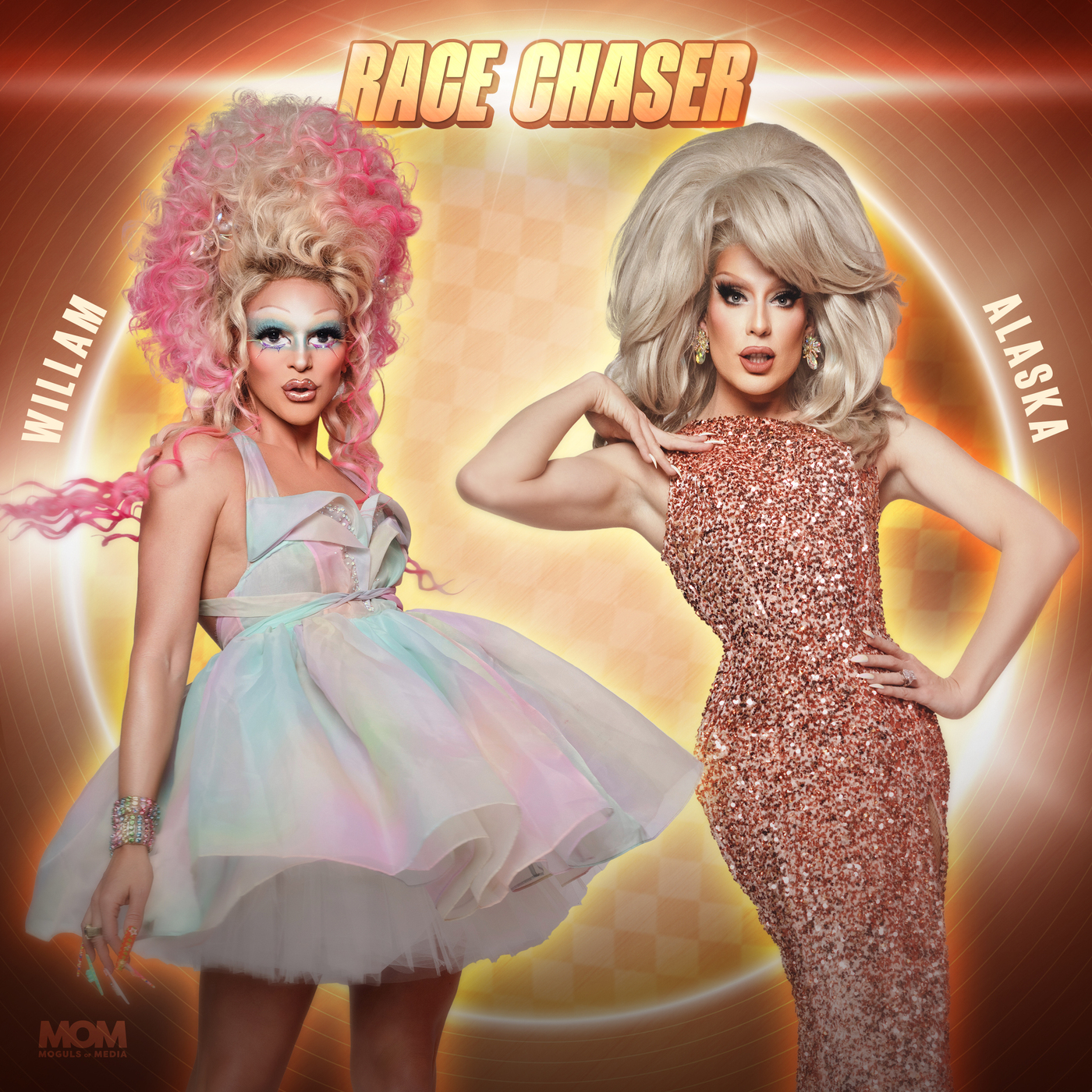
Race Chaser with Alaska & Willam is a Drag Race companion show with the patience of a group chat and the memory of a drag archive. It recaps, but it does not sit politely in recap mode for long. Season 18 episodes move through mini challenges, maxi challenges, runway themes, first-room impressions, queen branding, and judge-side logic, then immediately spin into wigs, bookings, catchphrases, and whatever joke just detonated in the corner. The rhythm is part analysis, part dressing-room commentary. It is quick. Hot Goss expands the field even further, folding in listener DMs, gig roundups, pop music chatter, drag drama, TV appearances, politics, social media arguments, and deeply specific references that arrive before the explanation does. Lady Gaga, Madonna rumors, Devil Wears Prada soundtrack talk, Lisa Kudrow, Hacks, Jean Smart, Debra Cox, and Olive Garden drag all pass through the same glitter-covered revolving door. The show is especially good at letting tiny objects become whole comedic ecosystems. A wig, an insect look, a soundboard phrase, a drag king name, or a restaurant projection can carry a riff for far longer than seems reasonable, which is often the point. The judgment is sharp but usually theatrical. Queens get read, praised, teased, defended, and turned into lore in the space of a few minutes. The tone can be blunt. It is also grounded in actual drag-world experience, especially when the conversation turns to work, conflict, public beef, pageants, trans history, and the strain of being visible. A voice memo from Calpurnia Adams shifts one episode into painful memory around Barry Winchell, showing that the show can make room for grief without abandoning its conversational shape. That contrast matters. Race Chaser is not just fan service, and it is not clean industry commentary either. It is a loud, referential, queer pop-culture machine where Drag Race is the spine, Hot Goss is the bloodstream, and the detours are frequently the main event.