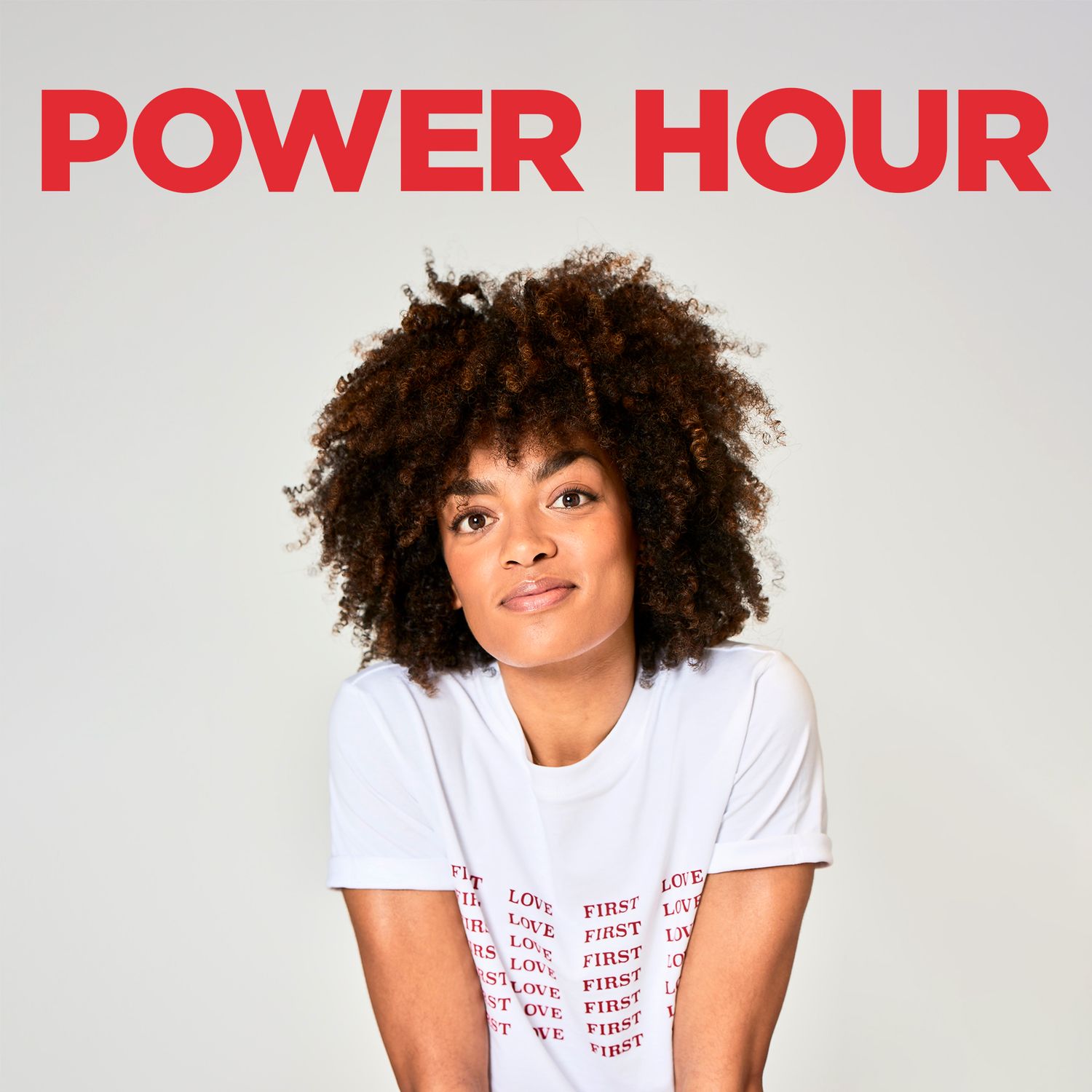
Power Hour is a wellness and personal growth show with two clear modes. In one, Adrienne Herbert leads reflective interviews with guests from writing, business, coaching, food, and resilience-focused work. In the other, the Modern Wellness episodes bring Adrienne, Ollie, and Sammy into a brisk panel format built around headlines, trends, facts, and fads. The shift works because both versions care about the same question: how people build better lives without getting lost in hype. The panel episodes are chatty and quick. They move from summer schedules and tennis jokes into supplements, fibremaxxing, cold plunges, work-life wellness, corporate benefits, lab testing, visualisation, and the price of staying well. The analysis is opinionated but usually grounded in practical questions. Who benefits? What is being sold? What would a normal person actually need? The interview episodes slow down enough to let a guest’s framework or story land. Sarah Knight brings an anti-guru approach to adulthood and mental decluttering. Dave and Steve Flynn trace a plant-based journey that began with a veg shop and grew into books, recipes, and a wider food movement. Jeff Wetzler focuses on better questions, safer conversations, and the conditions that help people tell the truth. Lauren Murrell speaks through resilience, mindset, and life-changing moments. Power Hour is not a clinical health show, and it is not a glossy productivity lecture. It sounds more like a smart, energetic room where wellness claims are tested against real schedules, real bodies, real budgets, and real relationships. The best moments come when banter turns into a useful distinction. A supplement promise becomes a conversation about deficiency and clinical stewardship. A workplace report becomes a question about leadership behavior and actual uptake. A wellness trend becomes a wider point about access. For listeners who like self-improvement with warmth, pace, and some skepticism, Power Hour offers a grounded way through the modern wellness noise.