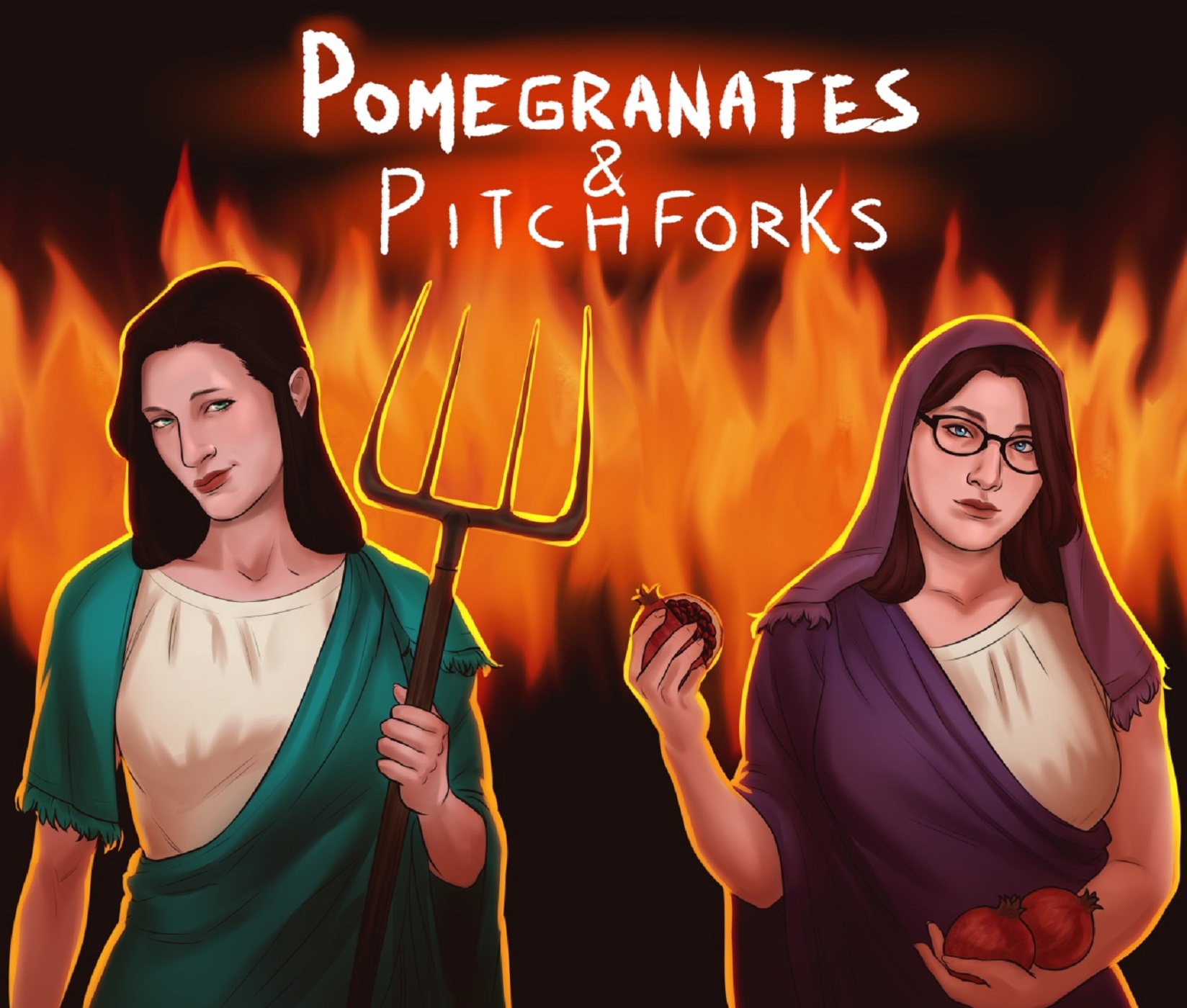
Pomegranates and Pitchforks sets true crime and horror side by side and lets two hosts talk their way through both. Alexandria Young-Rae hosts, with Sunshine as her co-host, and their back-and-forth supplies most of the texture: running gags, swearing, derailments and a habit of announcing that a botched line is going in the bloopers. It is not a polished production, and it does not pretend to be. The two joke openly about how far they are from making a living at it. What rewards patience is the history underneath. The Jack the Ripper material gives real room to the conditions of the poor, and one episode is titled '41. Jack the Ripper ep 1 - Victorian England Sucked'. That conversation covers workhouses, tramping, casual wards and vagrancy laws that punished a temp worker or a beggar exactly as they punished a thief. The hosts' verdict on the workhouse is blunt: a system designed to rob poor people of dignity. On the Whitechapel killings, the talk turns to case detail. A coroner's report citing two weapons, with wounds inflicted both right-handed and left-handed, pushes them toward the view that the first two Whitechapel victims were killed by more than one man. The alternative, an ambidextrous dual-wielding Ripper, gets dismissed in a single line. The most distinctive thread is the victims themselves. Polly and Annie each get an episode under the subtitle The Victims of Jack the Ripper, and the hosts rebuild ordinary lives in detail: Annie's marriage to John, a domestic worker at the upper end of his trade, and her closeness to her mother and sisters; Polly's repeated retreats from her marital home to her father and brother. Tangents come along too, including a detour into factory workers drinking beer as liquid bread. Horror fiction gets the same loose handling. An episode on the history of slashers retells a mystery in which a group of guests is killed off one by one to the verses of a nursery rhyme, and the hosts make a point of reading the 'Ten Little Soldier Boys' version instead of repeating the original's slur. Mike from Boston Harbor Horror guests on the ghost ship Palatine episode, where the talk turns to outlines and to how much research never reaches an audio drama script. In another cold open the hosts read their first one-star review aloud, a complaint about half-done research and politics, and play it for laughs. Sign-offs point to Patreon and Ko-fi, where supporters can get stories cut from episodes and blooper reels, before a round of love-you-byes. For a listener who wants Ripper history with the social context left in and the rough edges left on, it is an easy fit.