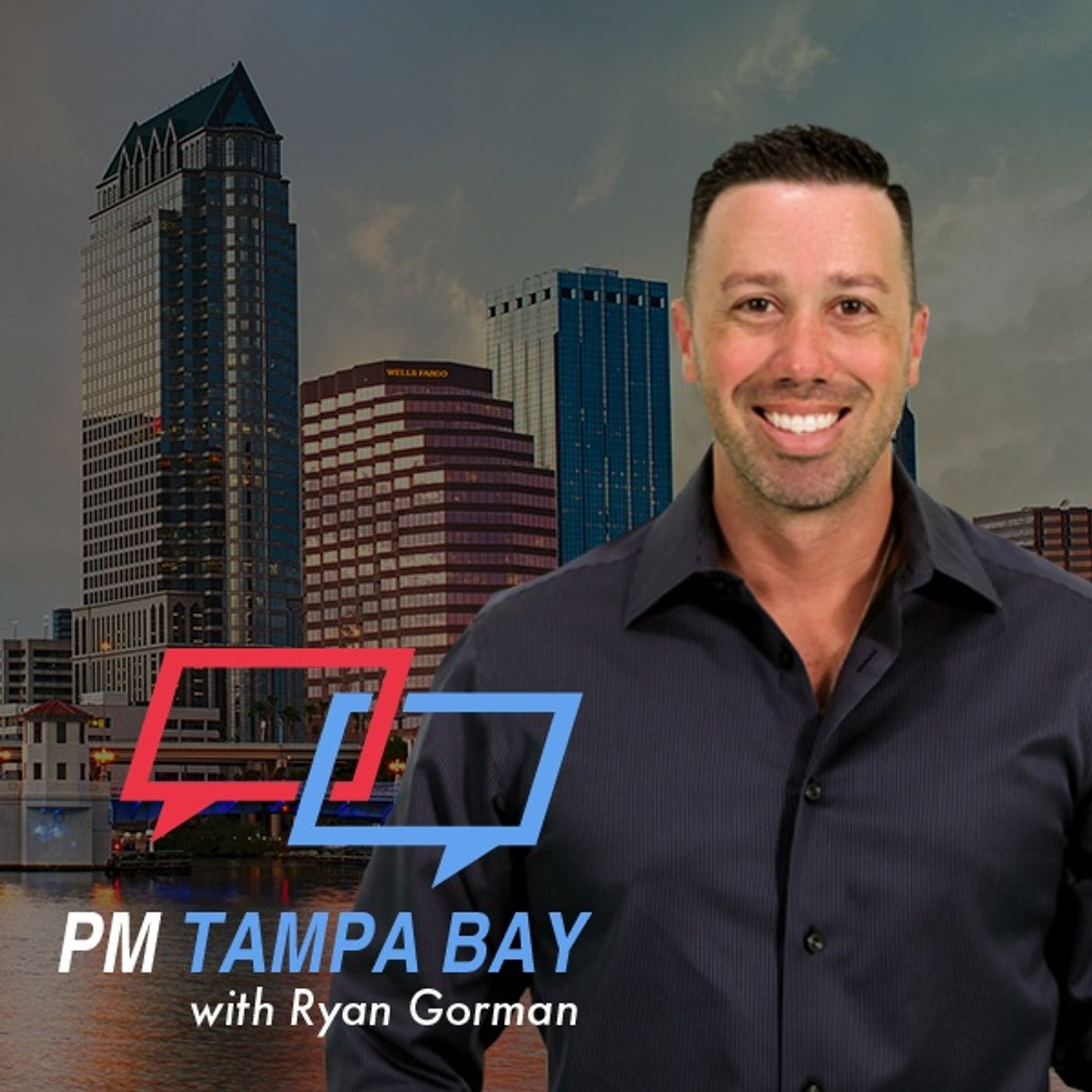
PM Tampa Bay with Ryan Gorman sits in the tradition of evening talk radio, but its strongest identity comes from explanation more than outrage. The show takes big stories and asks what actually matters inside them. Tampa Bay is the home base. That local footing shows up in coverage of the Rays ballpark fight, where the conversation gets into St. Pete, Tampa, Ybor City, financing, ownership posture, and the politics around a new mayor and city council. Florida politics is another recurring lane, especially when campaign behavior, voter fraud claims, public safety, pandemic rules, and performative messaging collide. The show is openly interpretive. It does not pretend that every argument has equal weight, but it usually gives the reasoning enough time to breathe. Ryan Gorman describes his own politics as independent and center-right, and that shapes the show’s skepticism toward both party theater and media scripts. The archive also reaches well beyond Florida. Supreme Court episodes track pandemic mandates, religious objections, gun rights, abortion law, and the coming shape of major decisions. Economic segments look back at inflation, labor supply, Federal Reserve moves, interest rates, investments, and the uncertainty created by COVID variants. Foreign policy conversations bring in Ukraine, Russia, China, Taiwan, Afghanistan, sanctions, military credibility, human rights, and Olympic pressure. Sports episodes shift into Tom Brady, the Buccaneers, the Lightning, Tiger Woods, the Mannings on Monday night football, and pandemic attendance questions. Entertainment coverage covers Britney Spears, conservatorships, Astroworld, lawsuits, and the public split over Meghan and Harry. The format is interview-centric, with guests often answering at length while the show keeps steering toward a plain takeaway. It can be warm, blunt, grave, or dry depending on the story. The rough edges are part of the experience. Sponsor blocks and broadcast fragments sometimes sit close to the editorial material, so the podcast feels like captured radio rather than a heavily polished studio product. Its appeal is strongest for listeners who want news discussion that stays conversational while still naming patterns, incentives, and contradictions.