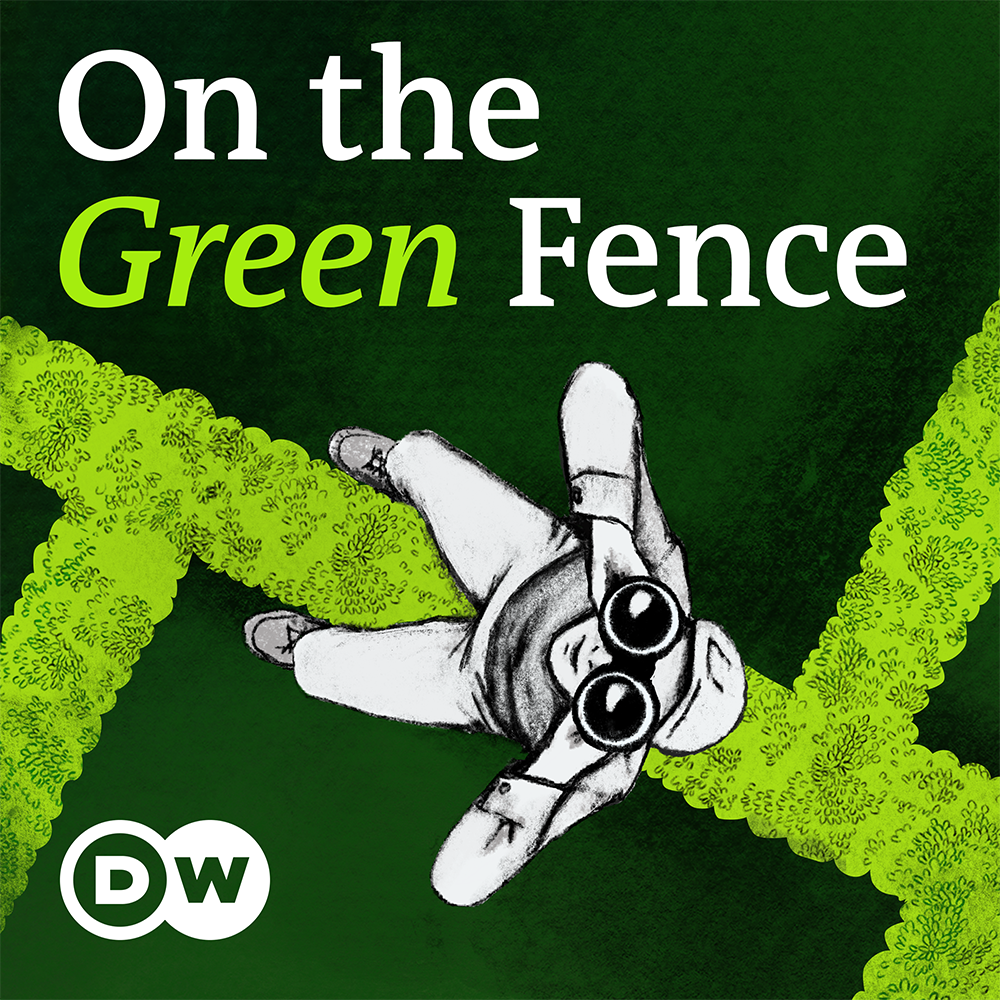
On The Green Fence is built around environmental complexity. It asks what happens when climate goals meet energy grids, supply chains, farms, rivers, and household waste. Neil King often begins from a specific place or object. A coal region in Germany. A line of recycling bins. A brown stretch of the Rhine. A farmyard with manure, silage, and biogas equipment. That grounded approach keeps the science from floating away into abstraction. The show’s recent run gives particular attention to plastics, including microplastics, bioplastics, chemical recycling, enzyme-based recycling, and the limits of keeping material in circulation. It also follows energy questions through Germany’s coal industry during the energy crisis and through a farmer’s circular biogas system in a small village. The tone is curious without being naive. It gives space to claims about promising technologies, then asks about energy demand, scale, byproducts, legal clarity, and whether reuse or waste avoidance matters more. Environmental damage is present throughout, but the show is not only about decline. The Rhine episode points to past industrial pollution and a river ecosystem that has begun to recover. The allergies episode connects climate change with pollen and public health. Across these examples, On The Green Fence is most interested in the messy middle between urgency and feasibility. It does not treat “green” language as proof of a solution. Nor does it dismiss technology out of hand. Its best moments come when a familiar environmental debate is made physical: coal plants running, plastic breaking down, particles pulled from water by a magnet, or village heat coming from a farm. That makes the show useful for listeners who want careful reporting on climate, pollution, and renewable energy without a lecture-room feel.