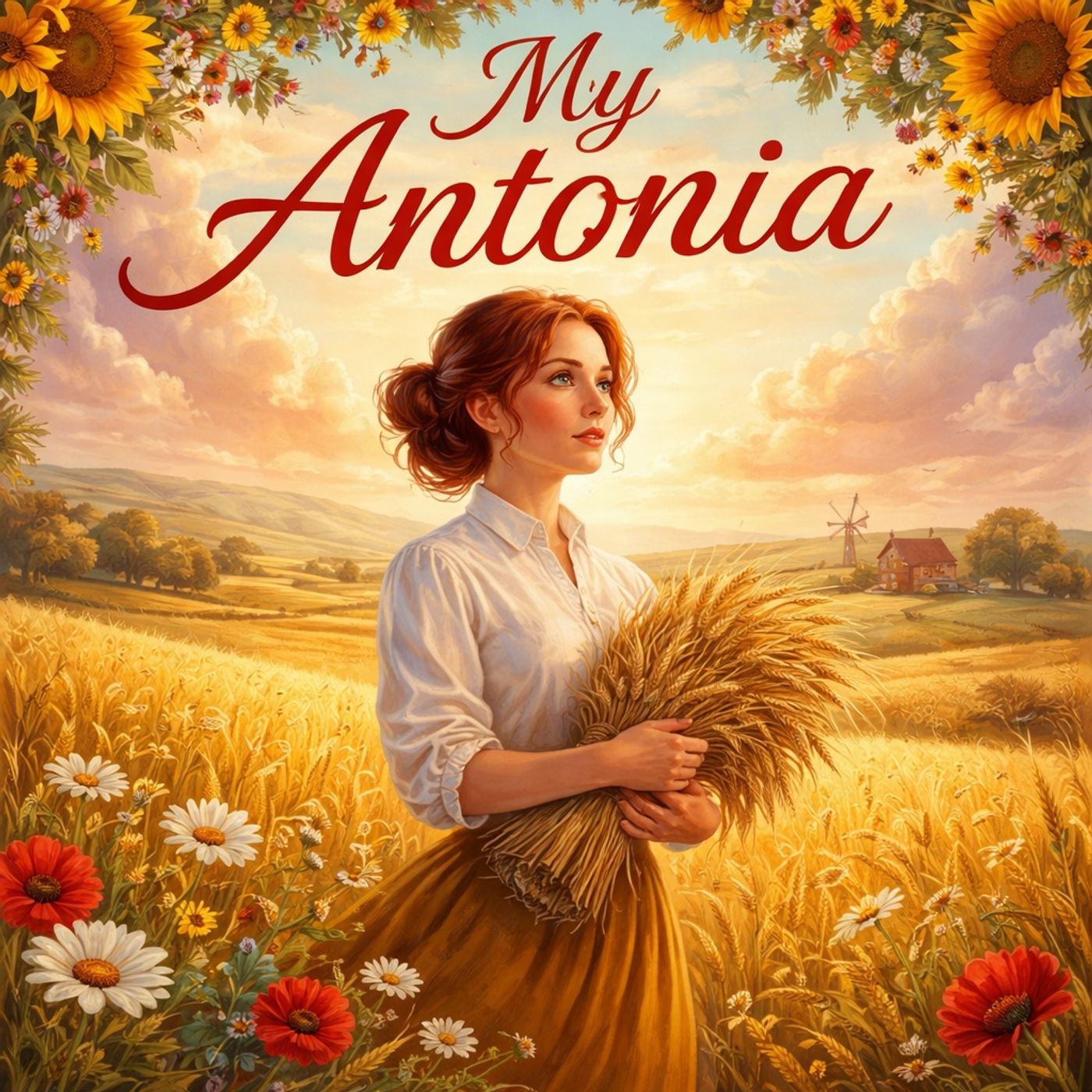
My Antonia is a serialized reading shaped by memory, landscape, and the long afterlife of early attachments. Recent episodes stay close to the later movements of the story, where Jim Burden returns toward Black Hawk and toward Antonia after years of delay. The emotional force is quiet but firm. A road, a windmill, an orchard, a line of washing, or a child’s glance can carry as much weight as a plot turn. The show follows Antonia through hardship, motherhood, farm labor, and the strange dignity that remains visible after disappointment has had its say. It also lets the surrounding lives breathe. Cusick’s talk of Prague, Maria Vazak, old cities, and lonesomeness gives the farm household a wider human weather. Leo and Ambrose bring quickness, mischief, and promise. Tiny Soderball’s path toward Alaska and worldly success adds a harder, more adventurous counterpoint. Lena Lingard’s Lincoln rooms, dressmaking work, neighbors, and farewells open another chapter of longing and self-command. These people are not treated as symbols first. They arrive through posture, speech, clothing, rooms, food, and remembered habits. That is the show’s deepest pleasure. It trusts accumulation. The Nebraska country changes from sod dwellings and red grass into wheat fields, orchards, barns, and settled domestic life, yet the old shapes remain under the newer ones. Jim’s recollections often turn ordinary ground into a moral map. Antonia’s strength is shown not as triumphal display, but as presence: a hand on a tree, a household fed, children standing tall around her. The pacing is unhurried, sometimes repetitious in the way remembered feeling can be. Listeners come for classic fiction, but stay for the grain of lived time. The result is intimate, spacious, and unusually rooted in place.