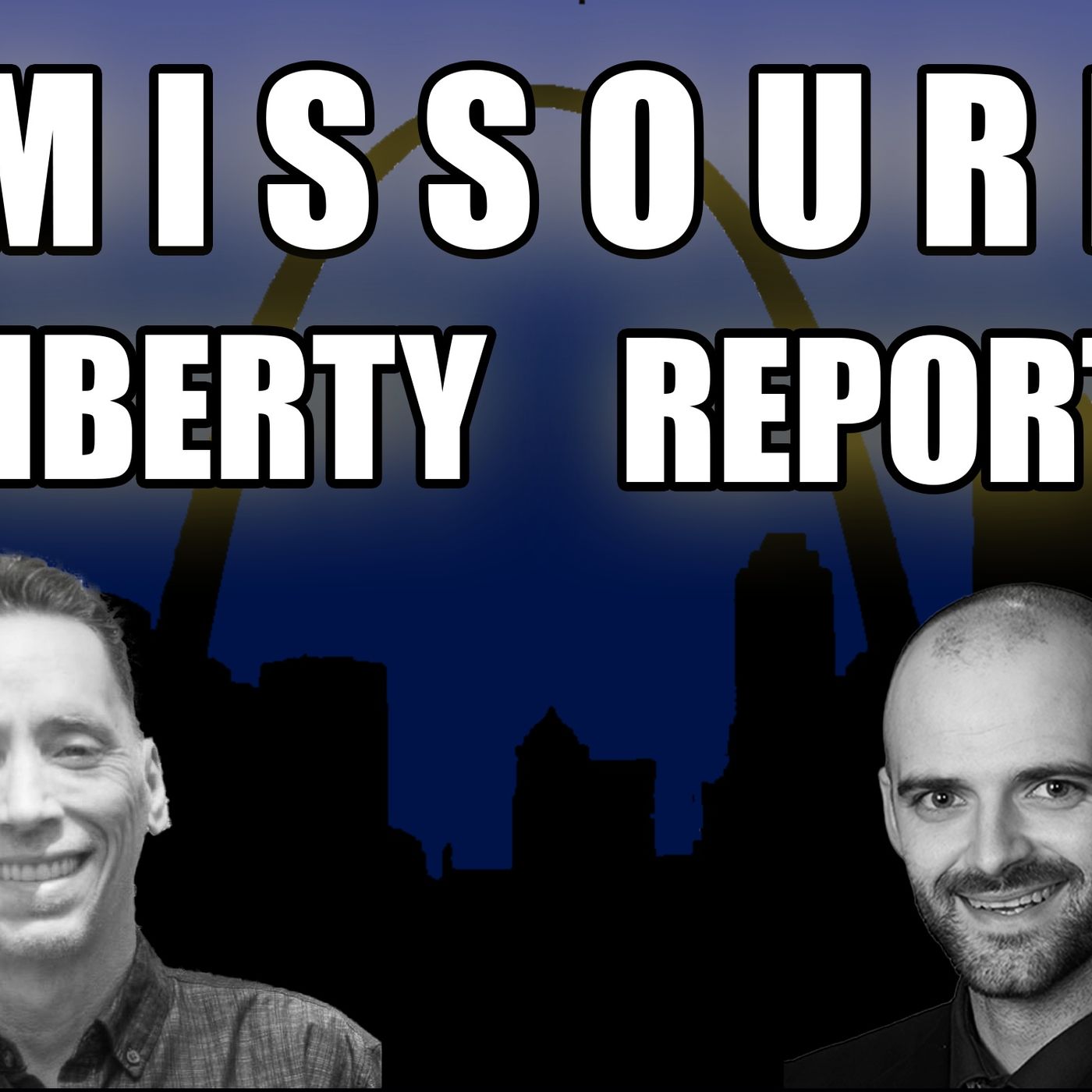
Missouri Liberty Report covers Missouri politics with the impatience of people who think the official story is usually missing the point. The show’s center of gravity is libertarian, but its targets are not limited to one party. Republicans, Democrats, school systems, state legislators, mainstream media, and federal policy all come in for criticism when the hosts see power drifting away from ordinary people. Episodes often begin with a local headline, a bill number, a live-stream comment, or a personal update, then sprawl outward into a broader argument about control. That sprawl is part of the texture. The show can jump from Arnold to Missouri House bills, from school discipline to parental responsibility, from income tax elimination to insurance headaches, and from a state convention anecdote to future guest plans. It is fast, repetitive in the way live conversation can be, and openly suspicious of political theater. The appeal is not polished balance. The appeal is hearing Missouri-specific fights discussed by people who are already annoyed, already engaged, and willing to say the quiet part in cleaner but still pointed terms. Education episodes frame schools as policy machines shaped by incentives, funding, discipline problems, and parents who may or may not be paying attention. Tax episodes treat reform as a high-stakes gamble, especially when Representative Wolfen is brought on to explain joint resolutions and answer questions. Other installments spend time on telehealth, elections, party criticism, and uncomfortable guest-vetting decisions. Live chat matters, too. Names like Tom Martz, Brandon, Spike Cohen, and Representative Wolfen recur as part of the show’s working network of Missouri libertarian politics. The show’s sound is informal and sometimes messy, with interruptions, screen sharing, repeated phrases, side jokes, and abrupt shifts in mood. That messiness also makes it feel close to the room where the argument is happening. For listeners who want a tidy newspaper-panel version of Missouri government, it will probably feel too combative. For listeners who want local politics treated as a running fight over freedom, responsibility, and hypocrisy, it offers a direct line into that frustration.