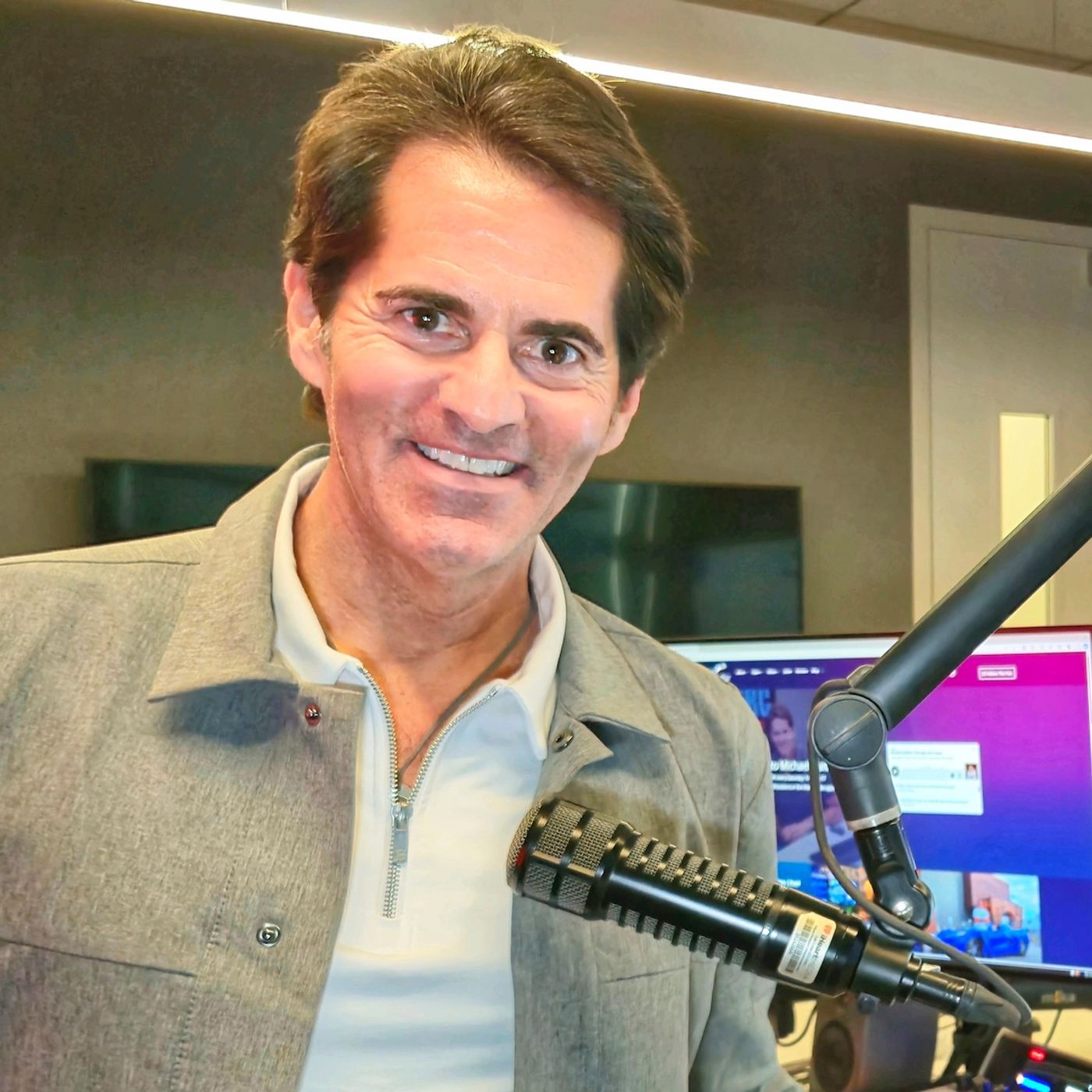
Michael Garfield's High-Tech Texan Show is consumer tech radio with a Texas weekend heartbeat. It moves fast. The program uses gadgets as the starting point, then lets real life barge in: Mother's Day gifts, graduation presents, cars, barbecue, March Madness, restaurant phone bans, smart doorbells, Apple laptops, Waymo, travel, cocktails, weather, and whatever else is sitting on the desk. It is not polished product-column talk. Michael Garfield's recurring stance is practical and personal, with products judged by daily usefulness, value, annoyance, privacy risk, and whether ordinary people can understand them without a manual. The tone is loose. Episodes often begin with radio housekeeping, jokes, station references, sports timing, and Texas geography before landing on the useful consumer point. That structure gives the show a live-wire feel, closer to a weekend call-in monologue than a tidy review feed. It also means the tech advice arrives with texture. A listener might hear about a new laptop beside Oscar predictions, a video doorbell privacy setting beside a Ring ad controversy, or autonomous driving beside Houston barbecue judging. The program repeatedly pushes back against geekiness. It wants technology to feel usable. Garfield leans on hands-on testing, long experience, plain analogies, and a willingness to say when a product does not seem worth the money. He is also comfortable making the show bigger than tech. Cars and vehicle reviews recur often, sports seasons shape the calendar, food and Texas travel keep showing up, and local radio markets such as Houston, Dallas, and San Antonio give the whole thing a grounded broadcast identity. The podcast version carries some of that live-radio clutter with it. There are resets, sponsor-adjacent moments, repeated intros, phone numbers, and end-of-show thank-yous. For the right audience, that makes the show feel familiar instead of overproduced. The best use case is casual consumer discovery. It helps people who want to know what gadgets, features, privacy settings, and lifestyle tech might matter, without needing a dense technical explanation. The edge is the combination of product access, talk-radio momentum, Texas local color, and a show figure who treats tech as something wrapped around daily life. It is useful, noisy, opinionated, and rarely still.