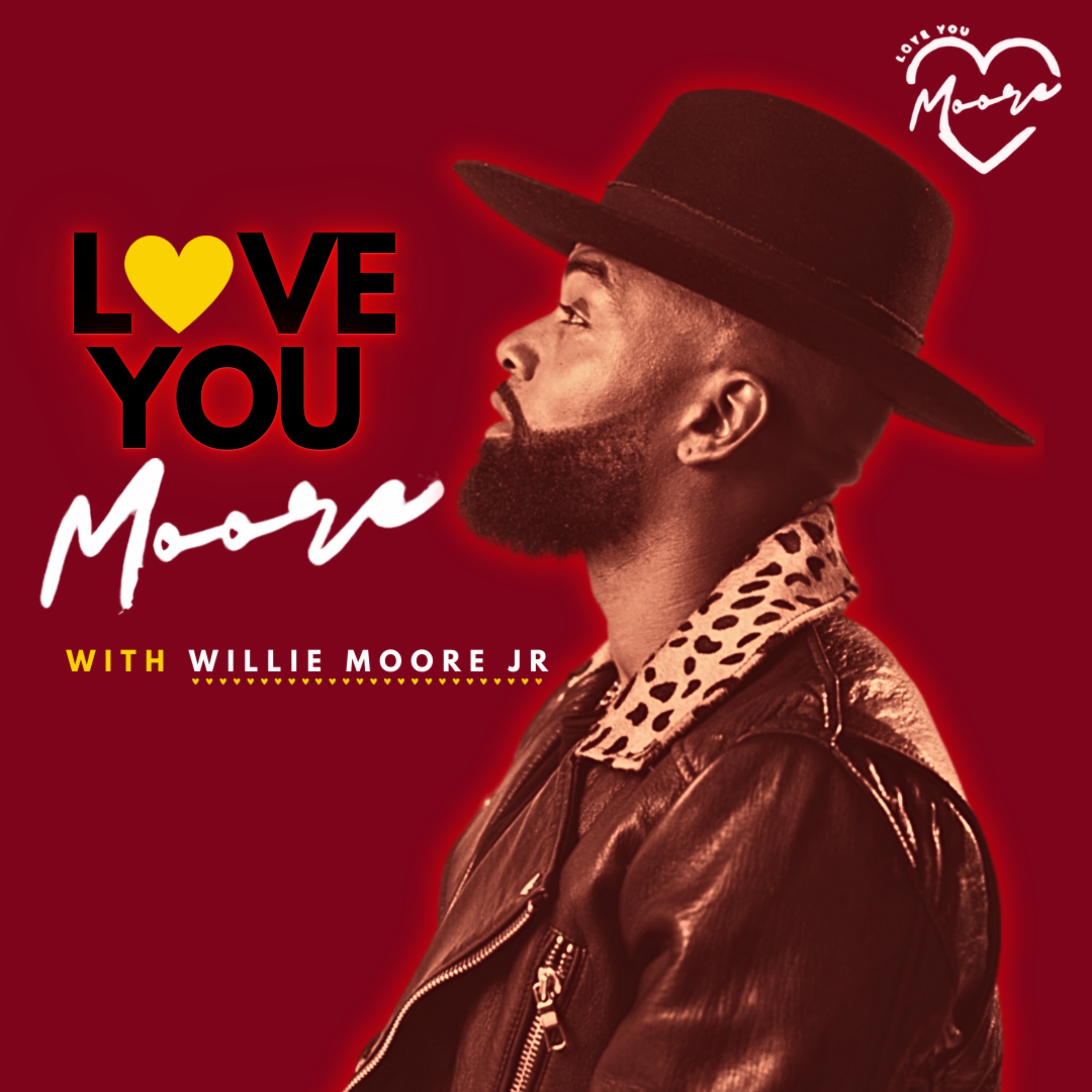
Love You Moore with Willie Moore Jr. is a faith-rooted conversation show about the parts of healing that rarely fit into clean inspirational language. It moves fast, but it lingers on pain. Recent episodes return again and again to divorce, grief, ministry pressure, calling, accountability, therapy, family history, and the quiet shame people carry when their public life no longer matches their private reality. The show is intimate without being soft. It can open with a joke, a music-adjacent cue, a partner read, or a direct appeal to the audience, then pivot into a person describing church hurt, the death of a parent, a hidden divorce, or the weight of being called to preach. The conversations are spacious. People often tell long stories, while the interviewer restates the emotional point in plain language and asks the next harder question. That rhythm gives the show its shape: testimony first, meaning second, accountability close behind. Men are often asked to name failure without hiding behind pride. Women in ministry describe scrutiny, dismissal, and the strain of being judged while carrying a call. Pastors and bishops talk about marriage, family, leadership, and the difference between church expectations and home responsibilities. Divorce is treated less as a scandal than as a spiritual and emotional rupture people must tell the truth about. Therapy appears not as a trend, but as a place where grief and silence can finally be spoken aloud. The show is comfortable with church vocabulary, but it does not stay inside church walls. It talks about medicine costs, children noticing what adults hide, public image, romantic trust, parental loss, and the inherited patterns people try to break. Its strongest appeal is the blend of familiarity and confrontation. The tone says family. The questions still press. Love You Moore works best for listeners who want candid healing conversations shaped by faith, humor, and hard-earned self-accountability.