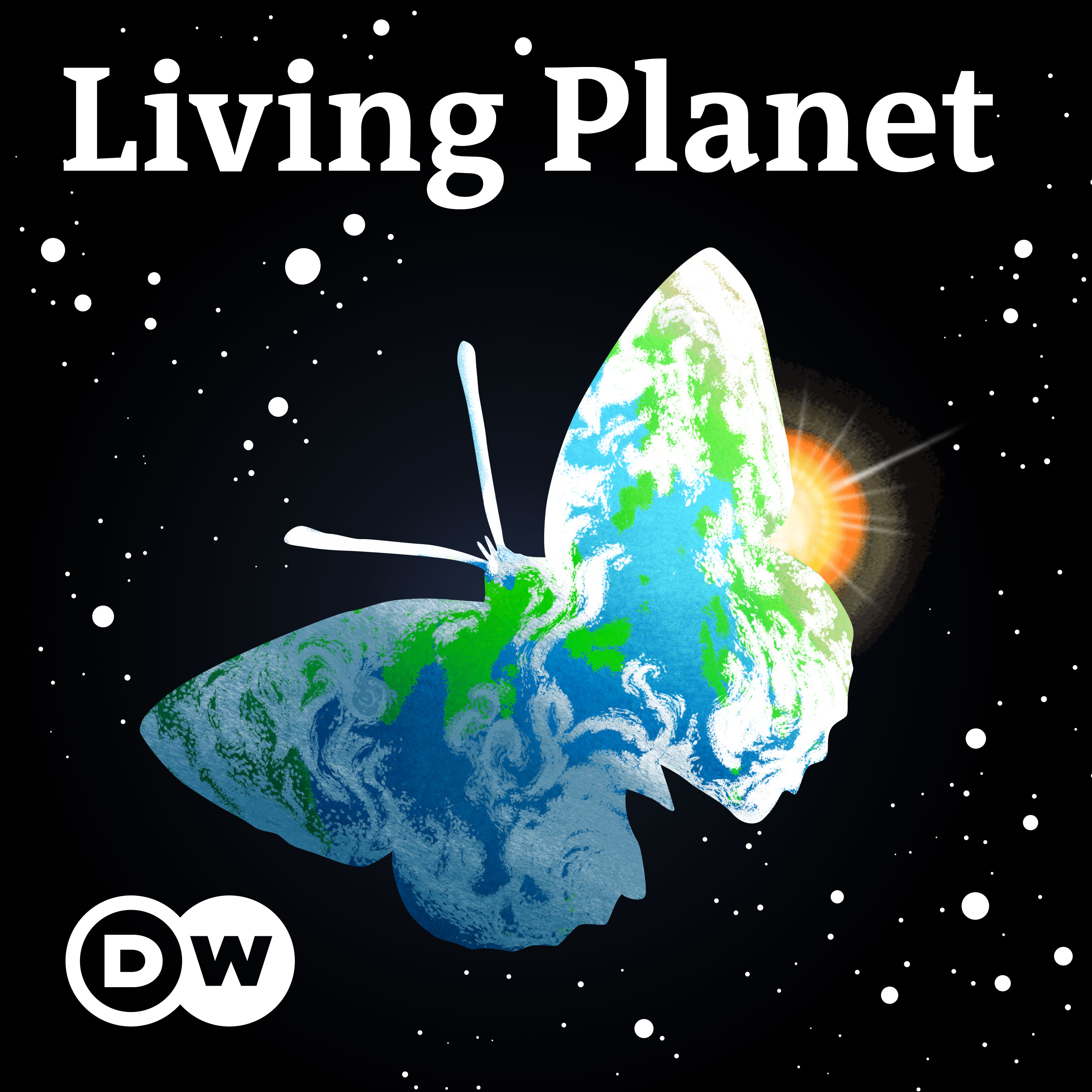
Living Planet

48 episodes listed below

Listen to the show on

Environmental stories with ground under their feet.

The gist

Living Planet turns climate and nature stories into reported scenes, from Arctic narwhal waters to rat-heavy city basements. The show mixes field detail, science explanation, policy tension, and practical questions about how people live with the planet.

PRESS PLAY

Find your next episode

All episodes

About Living Planet

Living Planet frames environmental issues through places where the consequences can be heard, smelled, eaten, mapped, or felt. The show does not stay in the abstract for long. It starts in small boats near Arctic ice, in apartment basements with rat droppings and heavy air, in churches weighing climate action, and in conference rooms where plastic containers are fitted with tracking devices. From there, each story widens. Narwhals become a way to talk about underwater sound, Inuit food security, traditional harvesting, and monitoring in Eclipse Sound. Rats become a story about waste, density, warmer cities, disease risk, infrastructure damage, and mental health. Geothermal energy moves from family drilling work and hot rock to technology, policy, finance, and the difficulty of making an energy transition happen quickly. The show is especially strong at connecting personal experience to systems. Luis Alberto Camargo's outdoor education work and Cristina's cooking, art, and food projects give environmental learning a human scale. Episodes on mercury and plastic show how pollution often hides behind ordinary objects, from gold to salad boxes. The reporting can be intimate, but it keeps returning to public questions: who benefits, who is exposed, what counts as recycling, what power does to climate policy, and what communities need to survive. Its register is clear and conversational. Technical points are explained without turning the show into a lecture. The production also pays attention to sound and scene, which matters for subjects like narwhal acoustics, urban infestation, and outdoor learning. Living Planet suits a listener who wants climate and nature coverage with reporting muscle and everyday entry points. It is not only about individual greener habits, though those appear. It is also about contested definitions, political pressure, industrial choices, cultural continuity, and scientific tools. The result is a show where environmental problems feel specific enough to grasp and large enough to matter.

Made for: Suits a listener who wants climate, nature, and pollution stories explained through real places and reported scenes. It also fits someone who likes practical environmental questions without losing the science and policy underneath.

What sets it apart: Living Planet stands apart by anchoring big environmental systems in tactile reporting: narwhal hunting, rat-infested basements, tracked plastic, drilling, wild food, and classroom-free education. The show makes planetary issues feel local before it makes them global.

In their own words

Looking to reconnect with nature? Want to make better decisions for the health of the planet? Every Friday, Living Planet brings you the stories, facts and debates on the key environmental issues of our time.

Why you'd press play

A tracker rides inside a salad box, and you get to follow the recycling promise past the bin.

Press play if you want

  • to know where your carefully sorted plastic goes after the drop-off point
  • to hear the promise of geothermal power tested against drilling, finance and politics
Read the full recommendation in PlayNext →
climate change and policywildlife and conservationurban ecologypollution and wasterenewable energyenvironmental educationfood, land, and cultureeveryday sustainability

Talks about

Best episodes of Living Planet

Short reviews from the PlayNext desk, based on the episodes we processed.

How the magic of underwater mics could save Arctic ‘unicorns’Apr 17, 2026

A narwhal hunt opens into a clear story about Arctic sound, wildlife pressure, and Inuit food security.

Living Planet turns a narwhal hunt in Canada's Arctic archipelago into a close, grounded story about sound, survival, and pressure on a calving haven.

Why cities keep losing the war on ratsApr 10, 2026

A stench-filled look at urban rat life, where hotter cities and abundant food give an old pest more room to thrive.

Living Planet opens in a reeking Berlin basement and follows the trail through New York, Toronto and Los Angeles, where rats are finding better conditions in dense, food-rich, warming cities.

Pray or act? Churches at a crossroadsApr 3, 2026

A direct climate episode linking wildlife wonder, political power, and the possibility of churches turning concern into action.

A childhood love of wildlife leads this episode into a sterner question: what people owe the climate, and what gets in the way of acting on that duty. Its path from animals, manatees, and water birds to organized political resistance is the piece's clearest strength.

Geothermal could be huge, why isn't it?Mar 27, 2026

A clear, grounded look at geothermal's promise, and why drilling, cost, and patience still matter.

Geothermal's promise starts with a familiar industrial craft: drilling, now reframed as a route to useful heat in far more places. Living Planet makes that shift feel concrete through Brock Yordy's family history, moving from water wells with his father and grandfather to his…

Houston, we have a plastic problem!Mar 20, 2026

AirTags make the recycling bin the opening scene of a much murkier plastic journey.

A tracking device tucked into a used plastic salad box turns the recycling bin into the first stop on a murkier route. Guerrilla activists follow plastic from Houston drop-off points to storage sites, where pickup can take days or weeks depending on how full a bin gets, then…

Podcasts like Living Planet

Episodes

  1. 1

    How the magic of underwater mics could save Arctic ‘unicorns’

    Hidden gem

    Alex Udova describes hunting narwhals near Pond Inlet, where an icebreaker and an oil tanker passed his hunting ground and a narwhal surfaced close enough to harpoon after the earlier noise.

    Apr 17, 2026·30m·2 clips
  2. 2

    Why cities keep losing the war on rats

    Hidden gem

    Living Planet's "Why cities keep losing the war on rats" starts in a Berlin basement where the host describes a stench that feels "asphyxiating" and finds droppings, greasy slime, and holes that point to rats.

    Apr 10, 2026·30m·2 clips
  3. 3

    Pray or act? Churches at a crossroads

    Hidden gem

    Living Planet's "Pray or act?

    Apr 3, 2026·30m·2 clips
  4. 4

    Geothermal could be huge, why isn't it?

    Hidden gem

    Brock Yordy, a third-generation driller from Kalamazoo, Michigan, moved from water wells and Halliburton to geothermal and now leads the Geothermal Drillers Association.

    Mar 27, 2026·34m·2 clips
  5. 5

    Houston, we have a plastic problem!

    Hidden gem

    Houston activists used AirTags inside used plastic containers to test the city’s all-plastics recycling program, and they found tagged material staying at the same storage site for weeks and even months.

    Mar 20, 2026·29m·2 clips
  6. 6

    Would the four-day work week kill productivity?

    Living Planet reporters Kathleen Schuster and Jennifer Collins examine whether four-day weeks can survive pressure to work longer amid AI and sluggish growth.

    Mar 13, 2026·34m·2 clips
  7. 7

    Arctic farming: Climate fix or future problem?

    At Nibio in Tromsø, Jürgen Maulmann found that selected light wavelengths can make some potatoes emerge up to one week earlier.

    Mar 6, 2026·35m·2 clips
  8. 8

    Rainforests’ invisible carbon problem

    Feb 27, 2026·28m
  9. 9

    Why some men tune out climate change

    Feb 20, 2026·34m
  10. 10

    Sneaky sneakers: What your shoes aren't telling you (Rebroadcast)

    Feb 13, 2026·30m
  11. 11

    The dark side of recycling

    Feb 6, 2026·17m
  12. 12

    BONUS – The great American protein push, what's at 'steak'?

    Jan 30, 2026·30m
  13. 13

    The classroom with no walls

    A man reflects on how his childhood on large Colombian farms shaped his impactful teaching style, as evidenced by a former student's gratitude.

    Jan 23, 2026·33m·2 clips
  14. 14

    AI can unlock nature’s symphony, but can it save biodiversity?

    Jan 16, 2026·35m
  15. 15

    Bacteria to the rescue?

    Jan 9, 2026·27m
  16. 16

    Let’s get quizzical!

    Jan 2, 2026·36m
  17. 17

    And the award goes to...

    Dec 26, 2025·34m
  18. 18

    The hidden toll of roadkill (Rebroadcast)

    Dec 19, 2025·36m
  19. 19

    What we get wrong about eating protein

    Dec 12, 2025·31m
  20. 20

    The Switch 3 | Bill McKibben: One big thing is going right

    Dec 5, 2025·31m
  21. 21

    The Switch 2 | Blackout: What's really breaking energy grids

    Nov 28, 2025·28m
  22. 22

    The Switch 1 | Deserted: Why solar power's failing where it should shine

    Nov 21, 2025·26m
  23. 23

    Breaking gold's toxic bond with mercury pollution

    This episode explores the link between gold mining and mercury pollution, discussing the Minamata Convention and the surprising source of mercury in the environment.

    Nov 7, 2025·36m
  24. 24

    The resale illusion: Why second-hand isn't always better

    Oct 31, 2025·23m
  25. 25

    Introducing: Boy Wasted

    Oct 24, 2025·24m
  26. 26

    Can a cancer hotspot be saved from our addiction to plastic?

    Oct 17, 2025·30m
  27. 27

    What are students really learning about climate change?

    Oct 10, 2025·36m
  28. 28

    The truly amazing world of fungi (Rebroadcast)

    Oct 3, 2025·28m
  29. 29

    Norway's big green lie

    Sep 26, 2025·29m
  30. 30

    Message in a bottle: Saving Louisiana’s sinking coastline

    Sep 19, 2025·30m
  31. 31

    Storms, science, and threats: The struggles of a local weatherman

    Sep 12, 2025·32m
  32. 32

    What’s really holding back train travel?

    Sep 5, 2025·24m
  33. 33

    The forgotten children of hurricane Katrina

    Aug 27, 2025·32m
  34. 34

    Greener Living Ep 5 – Spilling the beans on tea vs. coffee

    This episode compares the environmental impact of tea and coffee consumption.

    Aug 22, 2025·30m
  35. 35

    Greener Living Ep 4 – The real cost of smelling clean

    Aug 15, 2025·32m
  36. 36

    Greener Living Ep 3 – Pets: A mirror on our mess

    Aug 8, 2025·31m
  37. 37

    Greener Living Ep 2 – What to look for in your sunscreen

    Aug 1, 2025·28m
  38. 38

    Greener Living Ep 1 – Should we all ditch our cars for EVs?

    This episode explores whether driving an electric vehicle truly reduces your carbon footprint compared to keeping a traditional combustion car.

    Jul 25, 2025·30m
  39. 39

    Don't mention the climate!

    Jul 18, 2025·32m
  40. 40

    Targeting indigenous land for nuclear waste

    Jul 11, 2025·23m
  41. 41

    Epilogue: The true cost of climate change

    Jul 4, 2025·41m
  42. 42

    Cold rush: The race to visit Antarctica

    Jun 27, 2025·31m
  43. 43

    Introducing: Boiling Point

    Jun 20, 2025·40m
  44. 44

    Breaking the chains of consumerism

    Jun 13, 2025·31m
  45. 45

    Why are oceans getting darker? (Rebroadcast)

    This episode explores the phenomenon of ocean darkening, its impact on the Baltic Sea ecosystem, and the struggles of a German fisherman due to declining herring stocks.

    Jun 6, 2025·29m
  46. 46

    What do horses know that we don't?

    May 30, 2025·30m
  47. 47

    The woman who ran toward wildfires and came out a hotshot

    May 23, 2025·29m
  48. 48

    Part 5: What the economy gets wrong about nature

    May 16, 2025·37m