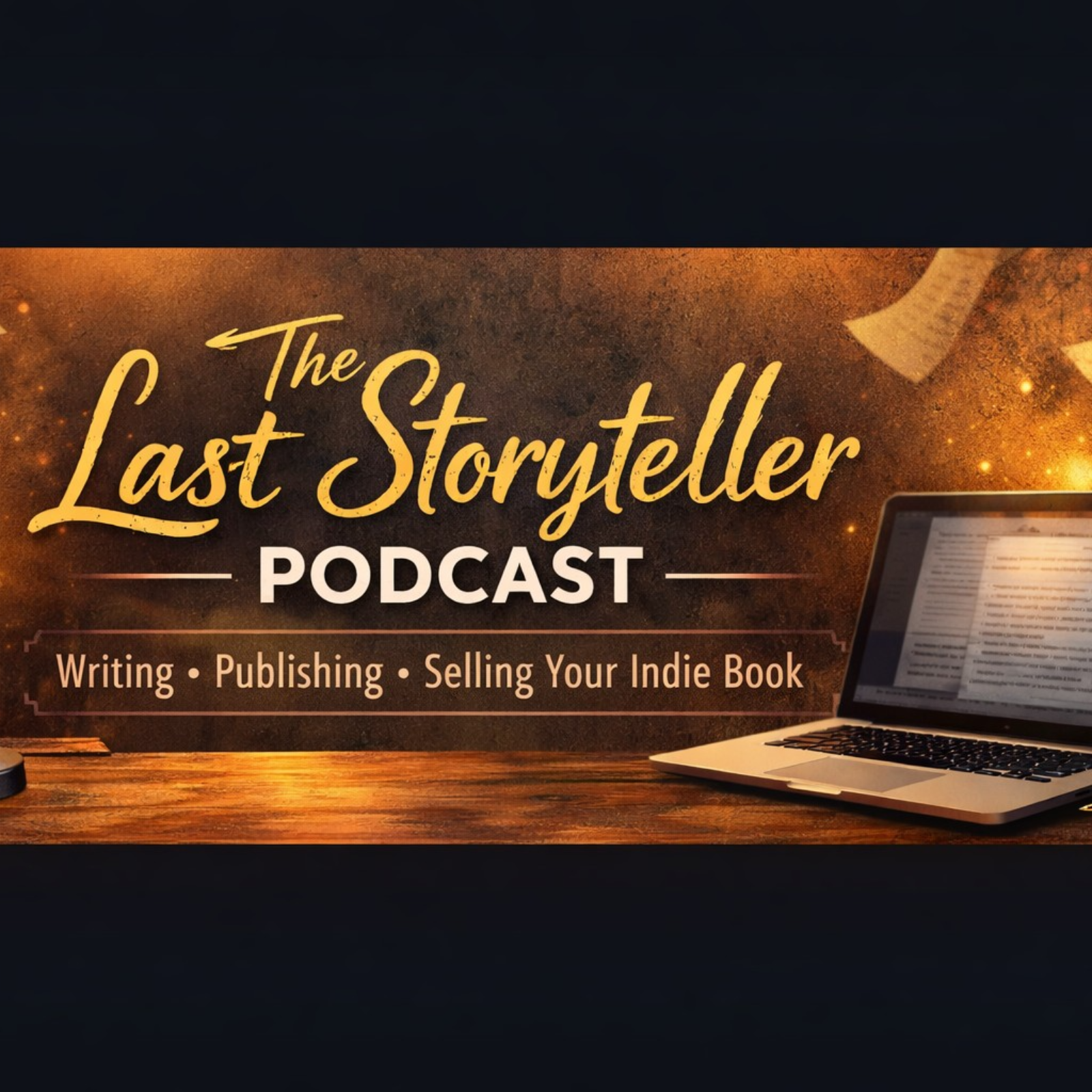
J Hirtle The Last Storyteller is a long-form author-interview show centered on books, writing lives, and the uneven path to publication. It is not tidy literary criticism. It sounds closer to a careful conversation after someone has read the book, taken notes, and wants to know how the author got from first idea to finished work. The show gives memoirists and fiction writers similar room. One episode can linger on trauma, healing, faith, and the slow work of recovery. Another can shift into debt, business advice, and a fictional protagonist trying to understand money. Science fiction, dystopian thrillers, fantasy, satire, unfiction, and transmedia storytelling all sit within reach. The through-line is craft. The interviewer often turns a guest’s premise into a question about structure, point of view, pacing, publication, or what a reader needs to know before spoilers take over. That makes the show especially useful for people who like books as made objects, not just as plots. It notices chapter counts, prologues, cover design, dialogue tags, research habits, and the ways indie authors use tools such as AI without handing over the work. The tone is conversational and sometimes wandering. That is part of its shape. A memory of reading a book can become a question about storytelling itself, while a guest’s publishing schedule can open into a practical talk about discipline, drafts, and business instincts. The show also carries a faith-adjacent, morally attentive streak, especially when discussing suffering and recovery. It avoids treating hard stories as simple lessons. Episodes with authors such as Nancy Bonet, Aaron Ryan, Shannon Brown, and Gabrielle Marie Kozak show a range from practical nonfiction to ambitious genre writing. The best fit is a listener who enjoys authors explaining the machinery behind their books in plain language, with room for digressions and human context.