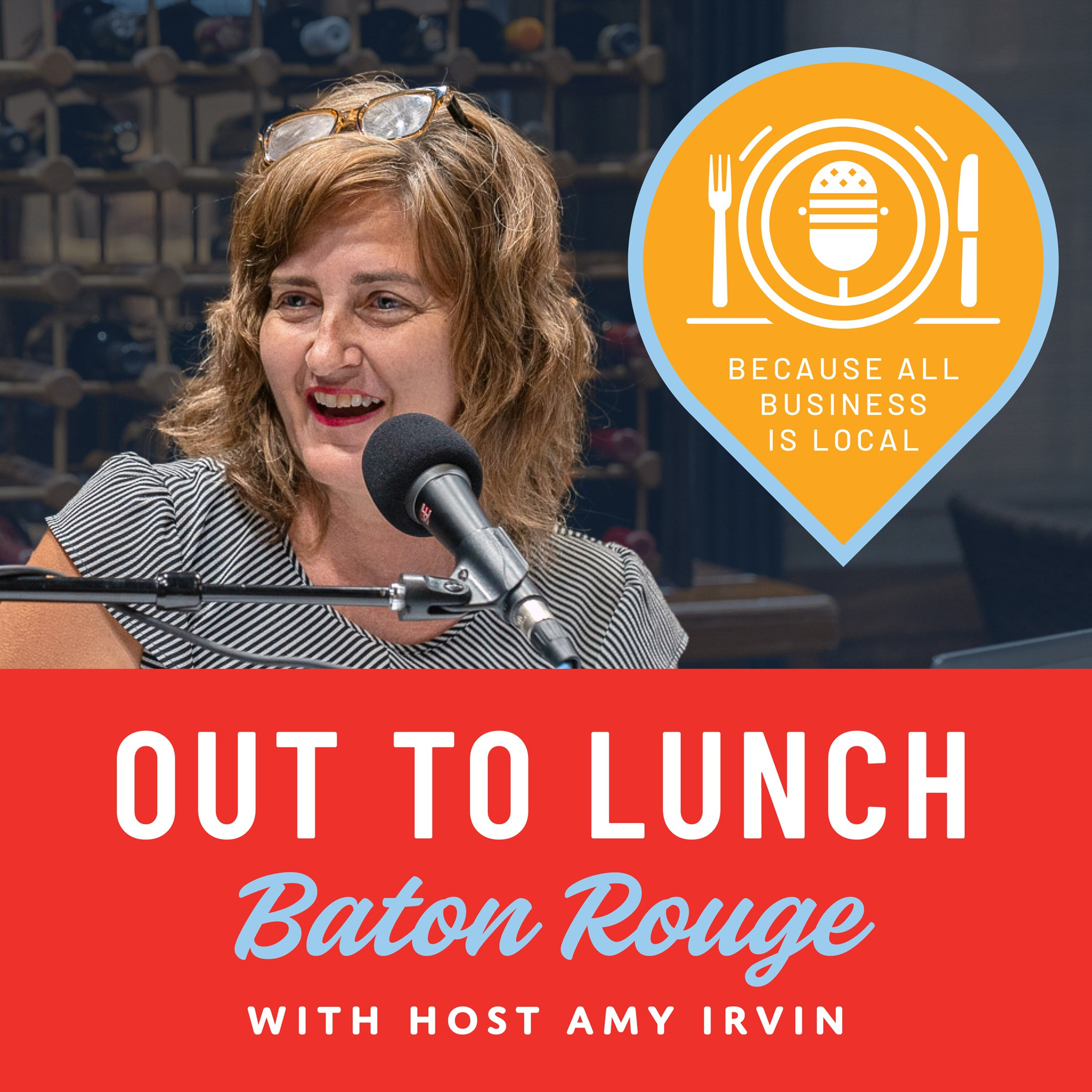
It's Baton Rouge: Out to Lunch is a local business interview show built around the working life of Baton Rouge and nearby Louisiana communities. It is measured, warm, and usually practical. The show spends less time selling a grand business lesson and more time asking how a real company came to exist. That makes the conversations feel useful. Recent episodes trace a broad map of local enterprise: home decor and custom building through The Corbel and a construction company, commercial renovation through NRK Construction, digital identity work at Invoke, classroom software concerns around professor reviews, campground ownership near New Orleans, immersive media from King Crow Studios, sports marketing tied to YouTube TV and NFL Sunday Ticket, beauty-service apps, salon culture, audio engineering, and photography. The range is wide, but the habit is consistent. A guest explains the path, the interviewer slows down the story, and the business becomes easier to picture. Small details matter here. A superintendent on every job site. A salon owner asking customers what they would actually book. A campground shuttle running late so visitors can get back safely. QuickBooks, invoices, drones, contractors, renovations, and client meetings all get room beside larger talk about technology, culture, and growth. Baton Rouge stays central. The show is interested in what can be built from Baton Rouge, from a software firm involved in digital driver's license technology to media work connected to national sports audiences. It also has a clear affection for people who did not begin with a perfect plan. Several stories turn on a pivot: nonprofit fundraising into construction, heavy equipment work into campground management, teaching into app building, teenage music recording into audio engineering. That pattern gives the show its shape. It is not glossy founder mythology. It is a table-level account of how local businesses find customers, solve operational problems, and become part of the place around them. The tone is friendly but not empty. The best episodes make entrepreneurship feel less like a slogan and more like a series of choices made by people with leases, payroll, tools, clients, and a reason to stay in Baton Rouge.