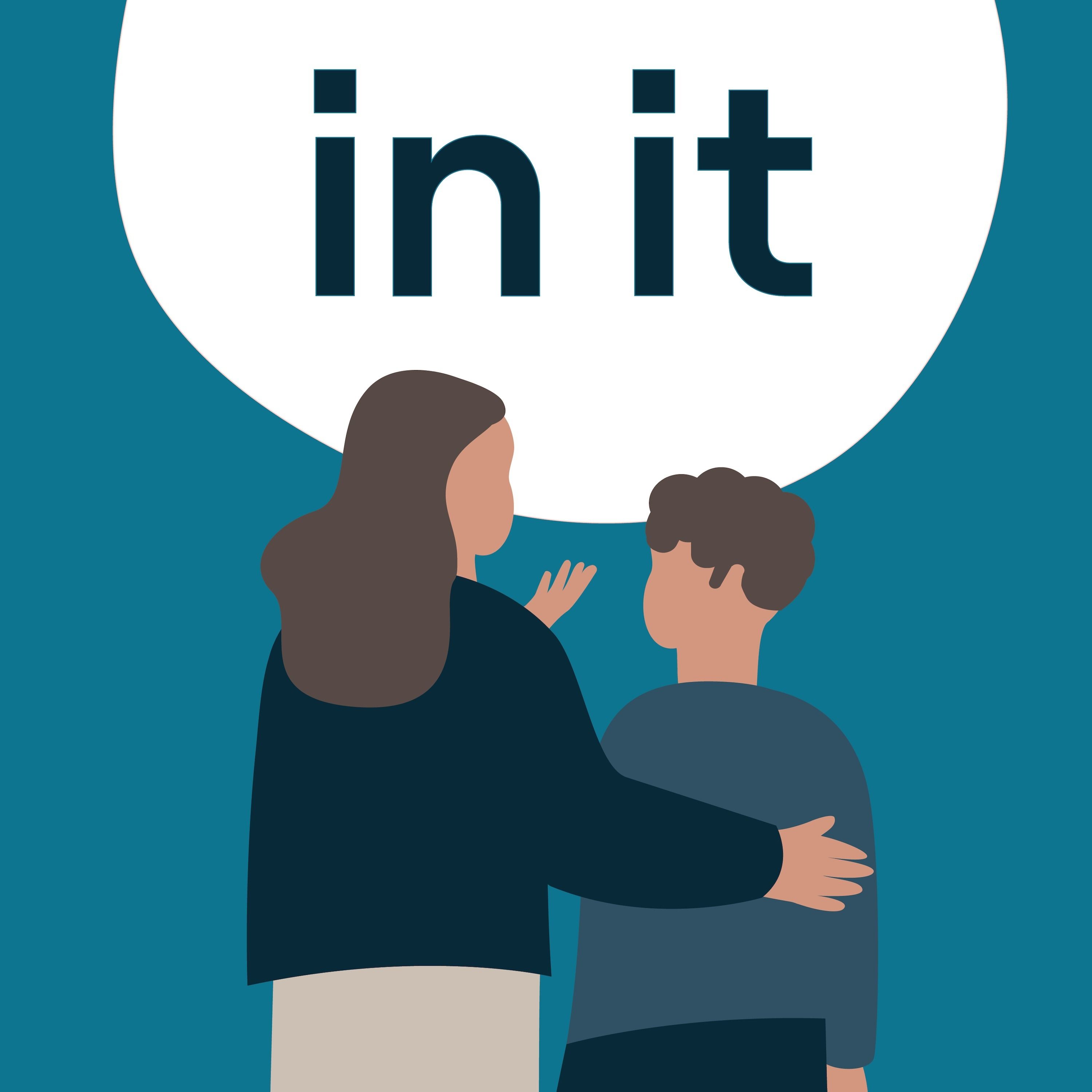
In It is a family-centered podcast about raising kids whose brains do not always fit neatly into school systems, morning routines, or ordinary parenting scripts. It is calm, but not glossy. The show spends real time with ADHD, dyslexia, dyscalculia, executive function, confidence, therapy, and special education supports. Its strongest episodes begin with a familiar worry. A child cannot get out the door. A teacher says a struggling student is too smart for services. A kid says, "I'm stupid." A parent wonders whether therapy is needed, what a therapist actually does, and how caregivers fit into the process. From there, the conversations move toward practical language and next steps rather than easy reassurance. The archive balances expert explanation with parent reality. Dr. Kristen Carruthers talks about replacing vague frustration with specific coaching. Dr. Andy Kahn connects learning and thinking differences with risks like anxiety, depression, and behavior challenges when support is delayed. Cara Ball reframes STEM and STEAM as inquiry-based learning, not just memorizing answers and getting them right. Karis and Kevin bring the perspective of a teen with dyslexia and a family learning what that journey feels like from the inside. The show is also honest about the grown-up side of the work. Episodes touch on burnout, overwhelm, birthday-party dread, partner division of labor, and the need for a village around neurodivergent families. Its advice is not abstract. It lands in timers, transitions, eligibility criteria, classroom observations, therapy questions, and the words parents reach for when patience is already thin. The final episodes acknowledge that the show has ended, while pointing listeners back to a six-season archive that remains available through Understood.org. That gives In It the feel of a resource shelf rather than a news feed. Families can come to it when a specific problem appears, or when they simply need to hear that the hard parts have names. It suits listeners who want expertise, but also want someone to admit that the morning routine can be brutal. The show's lasting value is its mix of plainspoken compassion and concrete educational guidance.