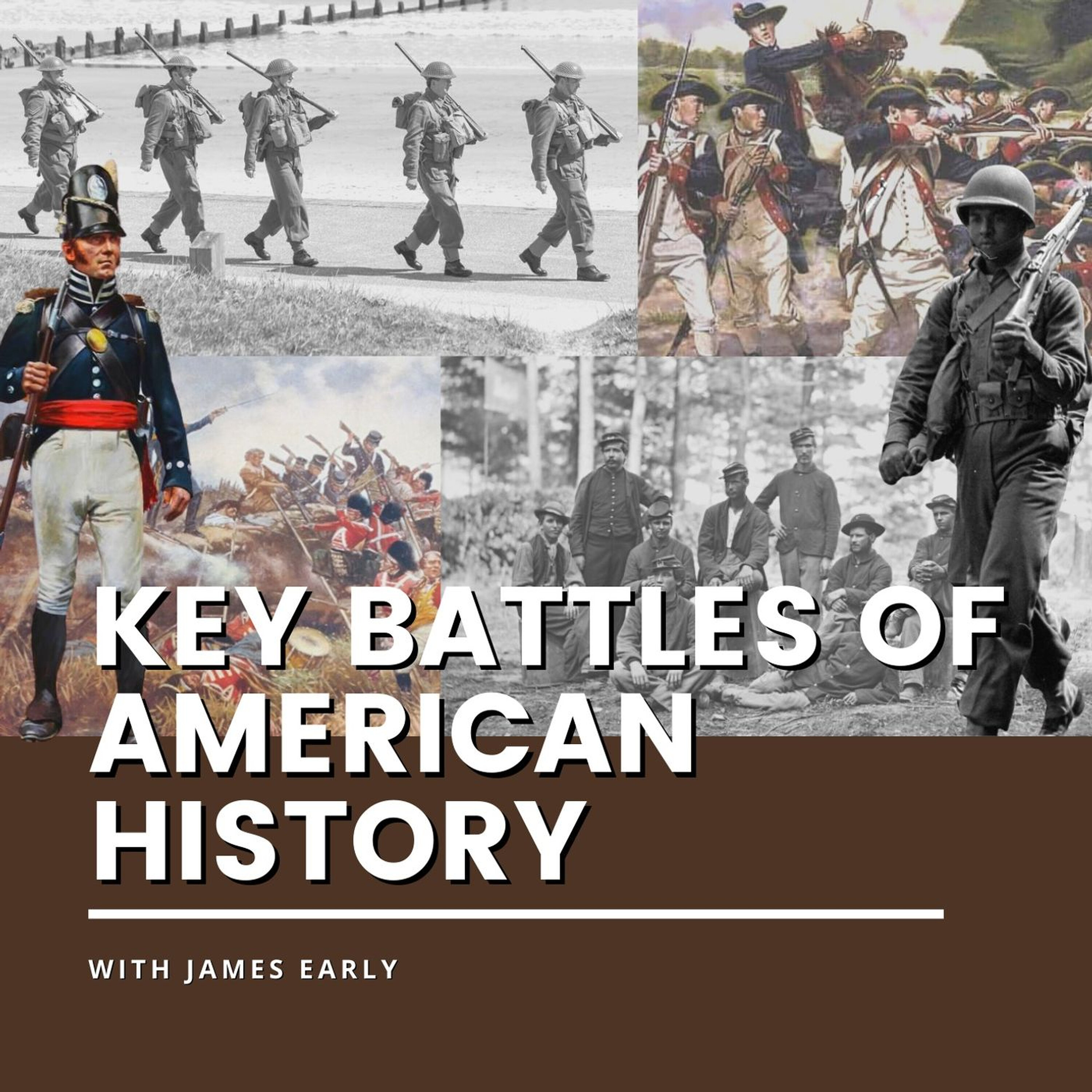
History Tavern Podcast is built on a simple arrangement: one book, one author, and a host, Nick Toney, who has read it closely. The history mostly concerns America. The episodes covered here run from the Revolution through the Civil War to Reconstruction, with one jump to Britain and the Second World War. The format holds steady. Toney introduces the subject, the recorded interview often picks up partway through, and each episode ends with the book's full title read out and thanks to the author. In between, the guest does most of the talking, prompted by questions that point back to what the book argues. The strongest thread is slavery and what followed it. In David N. Gellman's conversation about Liberty's Chain, John Jay appears as a slaveholding abolitionist, and the discussion covers Jay's decision on a diplomatic mission to Britain not to press for compensation over enslaved people carried off by the British, along with Edmund Randolph's furious reaction. William Blair's The Record of Murders and Outrages turns to the years right after the war, when, as he puts it, violence against freed people amounted to an insurgency. His example of a man given a seat on a grand jury after nearly killing an African American woman shows how much hard detail these interviews carry. The Civil War itself is often approached from unexpected angles. In the conversation about Oracle of Lost Causes, Matthew Christopher Hulbert treats the violence of the 1850s Western borderlands as a microcosm of the war to come, and he follows Confederate exiles into Maximilian's Mexico. Jeffrey Boutwell's book restores a little-remembered figure: George Boutwell, Massachusetts governor, first commissioner of revenue, treasury secretary, senator and a close ally of Lincoln. His description of a mass rally on the Capitol steps in August 1862, called to lift morale while the war was going badly, shows how detailed the discussion can get. Two episodes widen the frame. Kylie A. Hulbert explains that privateers, commissioned by Congress or by the states, were not pirates, and she describes their war as Atlantic and global. Allen Packwood, drawing on his work at the Churchill Archive Center, discusses how North Africa, the Mediterranean and the disaster at Dieppe fed into the road to D-Day. Toney is an openly admiring interviewer, quick to call a book fantastic, and the analysis comes from the guests. Where to start depends on the period: the Boutwell episode for Civil War politics, Blair's for Reconstruction, and Kylie A. Hulbert's for the Revolution at sea. What the show offers is each author's own account of their research, drawn out by a host who has done the reading.