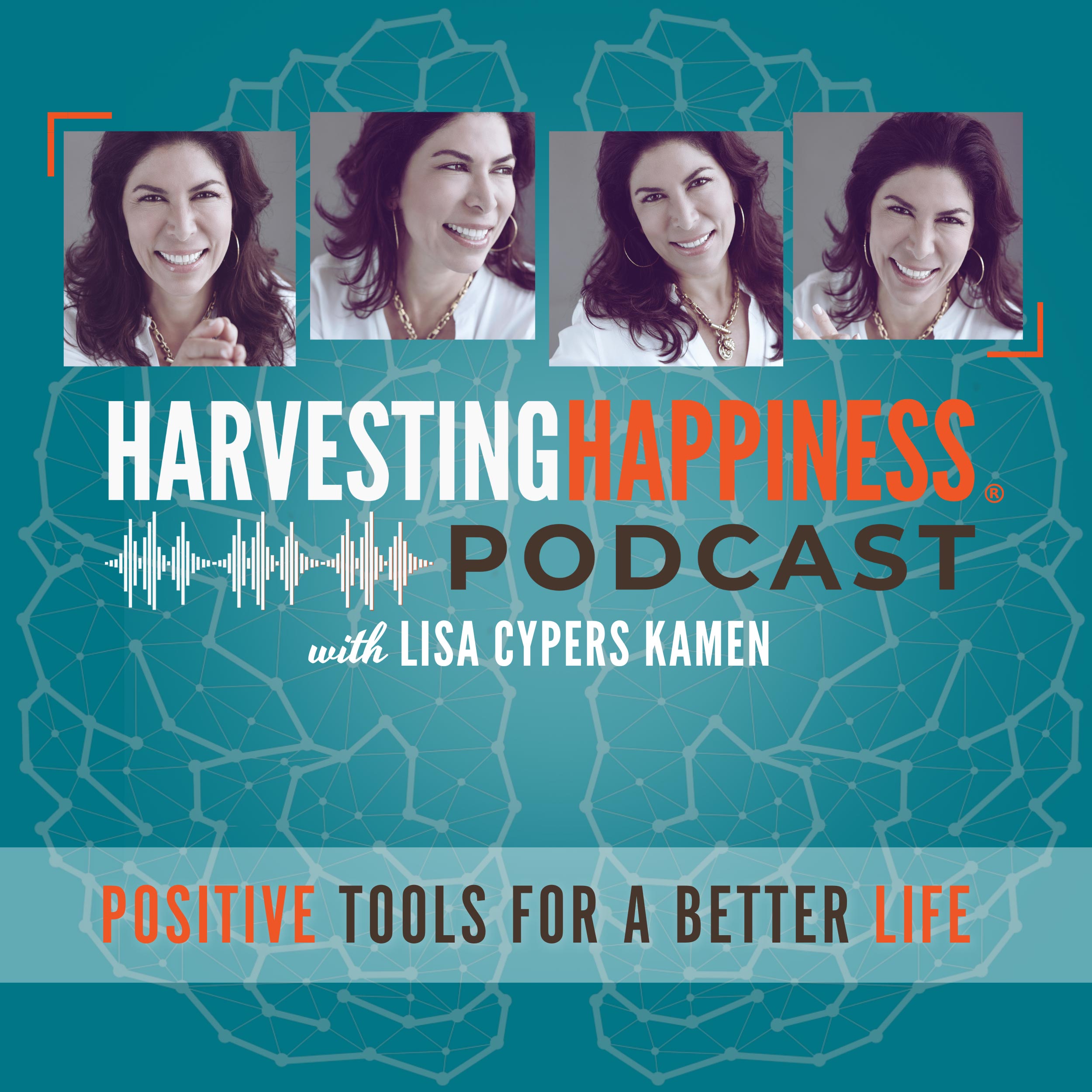
Harvesting Happiness approaches well-being as something built through attention, relationships, choices, and culture. The show is not only interested in feeling better. It is interested in thinking better about what gets in the way. Lisa Cypress-Kamen hosts warm, brisk conversations with guests who bring language to familiar emotional knots: guilt around saying no, fear of failure, digital overstimulation, caregiving strain, social bias, and conflict that keeps escalating. The show’s strength is its ability to move from an idea into a lived example without losing the thread. A discussion about boundaries becomes a conversation about parenting oneself with both firmness and care. A segment on high-conflict personalities becomes a lesson in limits, consequences, trauma, and the difference between empathy and overextension. A conversation about play becomes a serious argument for aliveness, collective creativity, and the human need to return to a group. The tone stays constructive. It can handle grave subjects, but it does not linger in despair. Recent episodes bring in Bill Eddy on chaotic character types and high-conflict personalities, Dr. Laura Malden on America’s caregiving crisis, Dr. Joanne Finkelstein on bias and equality, Dr. Carl D. Marcy on brain health in the technology era, Dr. Laura Ackman on world happiness, and Ross Ellenhorn, PhD on playfulness and life purpose. Across those conversations, happiness is treated less like a slogan and more like a discipline of perception, connection, and repair. The show is especially attentive to the places where individual mental health meets social context. Technology changes the nervous system. Bias affects emotional life. Caregiving exposes the limits of private resilience. Giving to others can alter life satisfaction. Play and belonging can restore a sense of being human. Harvesting Happiness works best for listeners who want reflective self-improvement with credible guests and a compassionate civic lens. It offers practical reframes without promising instant transformation. Its recurring move is simple and useful: name the feeling, widen the frame, and find a more humane way to proceed.