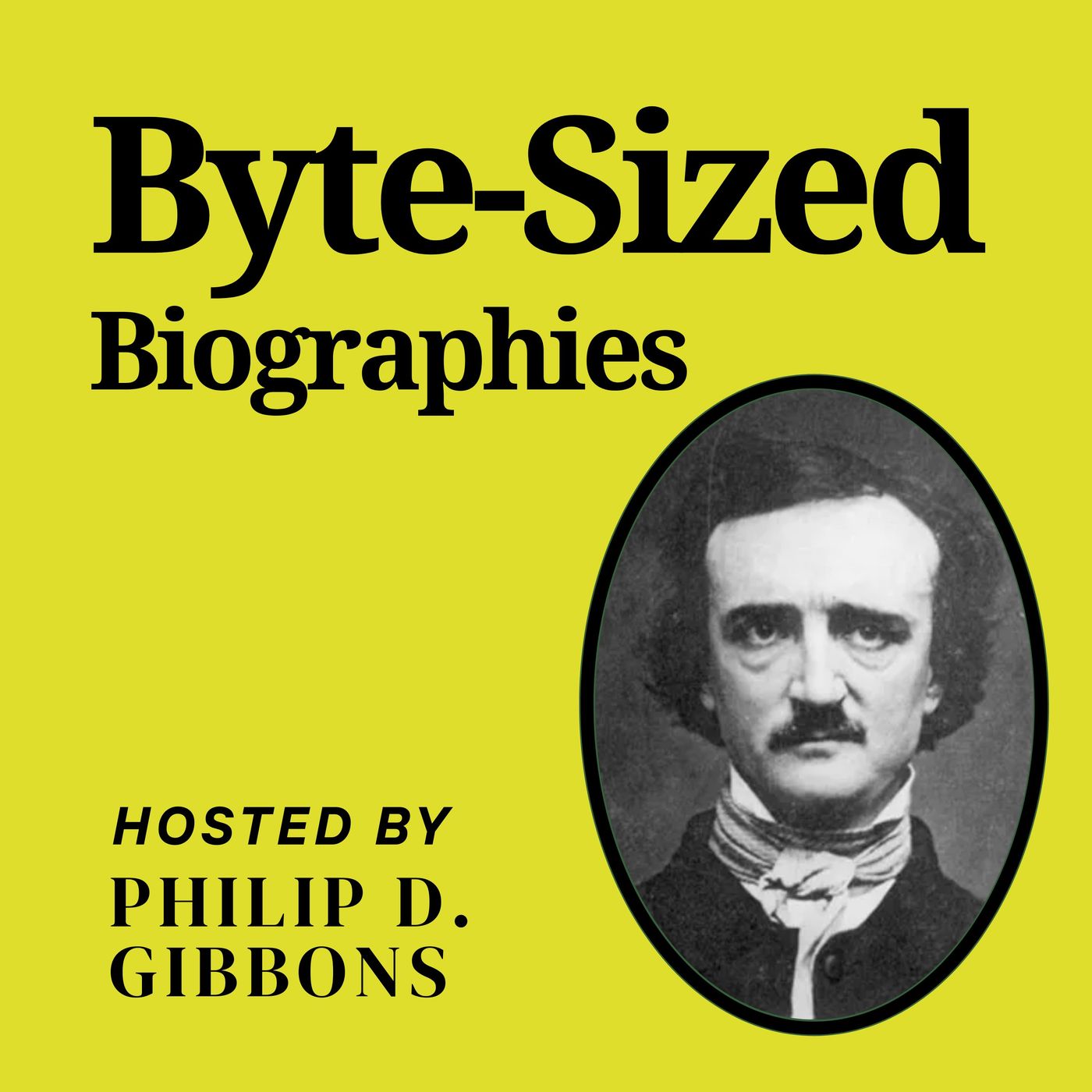
'Garcia Moreno, President of Ecuador 1821-1875 by Augustin Berthe (1830 - 1907)' is a book read aloud, one chapter at a time. Most of the sampled episodes begin by naming the part and chapter and noting that the LibriVox recording is in the public domain. The chapters sampled for this page credit the recording to Maria Therese. The episode numbers follow the book's order, so the story can be taken straight through. Berthe himself sets the tone. He is an advocate, and he does not hide it. The assassination chapter begins by calling Freemasonry a secret society united with the devil to destroy the reign of God. Elsewhere he dismisses the constitutional bar on re-election as a stupid republican arrangement. He also splits Ecuador in two: good Catholics on one side, and Freemasons, revolutionists and radicals on the other. Heard today, it is less a neutral history than a record of how one admirer wanted Garcia Moreno remembered. That does not make it thin on fact. 'Finances and Public Works' starts by attacking the idea that civilization is material progress alone, then turns to roads. It describes a country where merchandise moved on mules, new routes that ended the isolation of Cuenca and Loja, and a road from Loja to the seaport of Santa Rosa. It closes on a run of annual revenue figures in piastras, offered as proof that the state's income more than doubled. 'The Clergy, the Army and the Magistracy' names the three cooperators Berthe thinks a statesman needs: zealous priests, faithful soldiers and honest magistrates. Its army passage lists European weapons, officers sent to study Prussian manoeuvres, and a chaplain assigned to every regiment. It also describes homes where habitual drinkers were put through medical treatment and farm work. The political chapters are crowded with named rivals, and Urbina recurs among them as the chief plotter. In 'A Violent Reaction' he heads a league against the president, and Garcia Moreno faces a treason charge over a proposal to place Ecuador under French protection, a charge Berthe calls false. A threat of war from Castilla ends when Britain intervenes. In 'Fall of President Espinoza', Garcia Moreno pleads with a president who will not act, then gathers his friends for a secret council. In 'The Fight of Jambeli', an English consul insists that a steamer needed to chase what Berthe calls pirates be bought outright for fifty thousand pounds, and Garcia Moreno, with no time to argue, agrees. 'His Assasination' puts the religious framing first. A letter to his wife on the feast of St. Anne warns that the assassins are determined. Garcia Moreno answers his worried friends by asking what a traveller wants but to reach the end of his journey, and Berthe closes on the line that a man dies, but God does not. For the governing record, start with 'Finances and Public Works'. For Berthe's argument at full strength, start at the assassination.