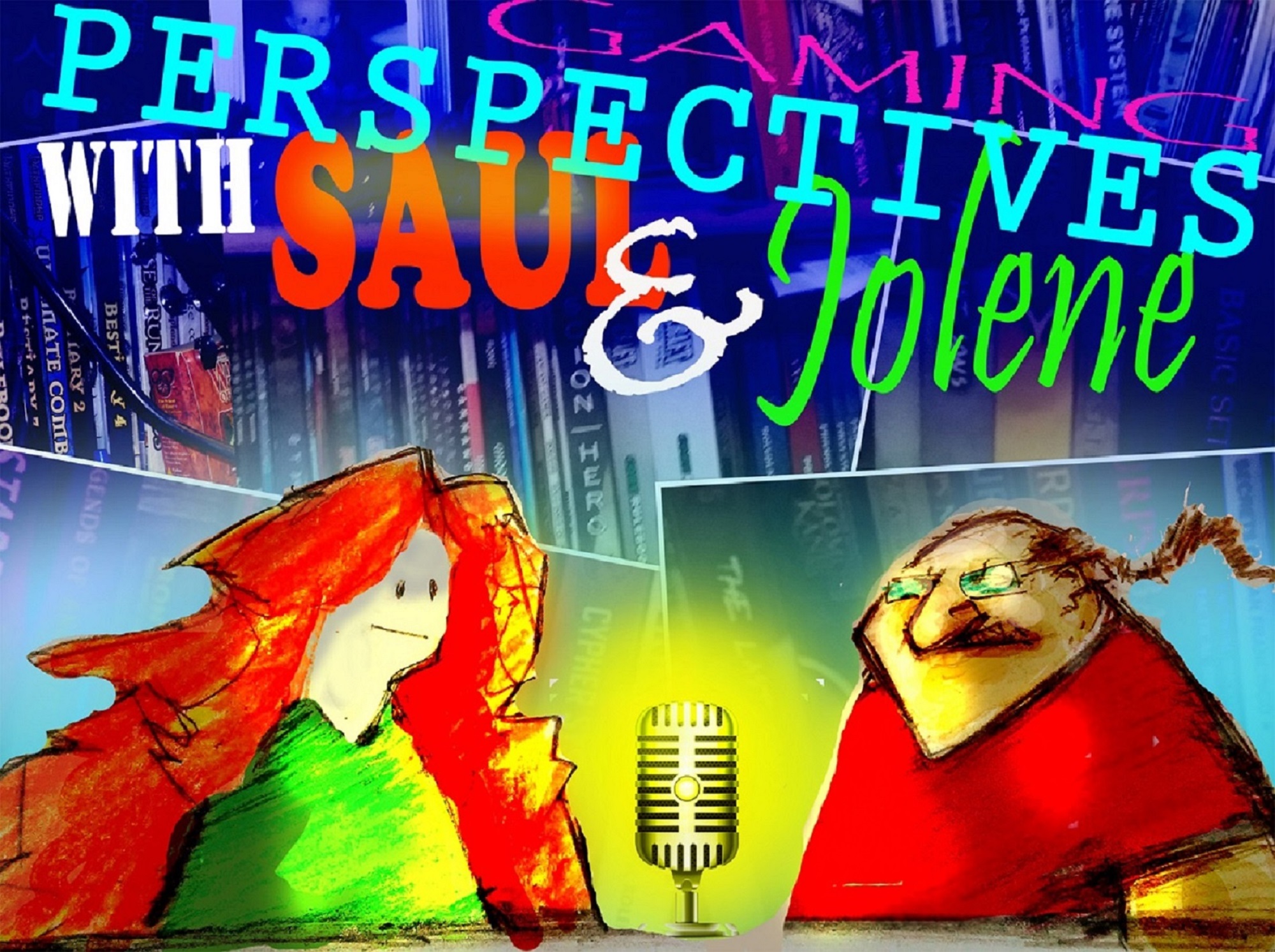
GamingPerspectives is tabletop RPG commentary from inside the hobby. Saul and Jolene talk like players who have spent years reading rules, running sessions, buying books, watching trends come and go, and comparing what sounds good online with what holds up at a table. The show is not slick. That is part of its character. Recent episodes move through AI in TTRPGs, the possibility of a more digital D&D, The Fantasy Trip, module buying versus homebrew adventures, GM motivation, convention game data, upcoming RPG releases, and the impossible question of choosing only three systems forever. D&D is a frequent reference point, from original editions through 5th edition and 2024 discussions. It never fully crowds out the broader shelf. Pathfinder, Call of Cthulhu, Vampire the Masquerade, Savage Worlds, GURPS, Shadow Dark, Daggerheart, Traveler, Space Opera, Dark Conspiracy, The Lost Mines of Phandelver, and other games appear as examples of how wide the role-playing world can be. The conversations often begin with a concrete prompt. A YouTube video, a convention list, a rules memory, a campaign problem, or a new release discussion becomes the opening move. From there, the episode wanders usefully. Saul may press a claim about digital ownership, the health of local game stores, or why GMs need help during a time crunch, while Jolene adds skepticism, correction, or a simpler framing. The AI discussion is a good example of the show's balance. It is not presented as magic or doom; it is treated as a tool that might help with NPC ideas, campaign prep, or clarifying a messy thought, with clear concern about honesty when money is involved. The D&D digital episode has the same grounded quality. It worries about renting access to rulebooks, then turns toward the possibility that other RPGs could benefit if players start looking beyond one dominant system. GamingPerspectives is best for tabletop listeners who like opinionated hobby talk without heavy production gloss. It rewards patience. The show tends to think aloud, double back, and land on practical judgments shaped by old campaigns, new games, and the ordinary pressures of getting people to the table.