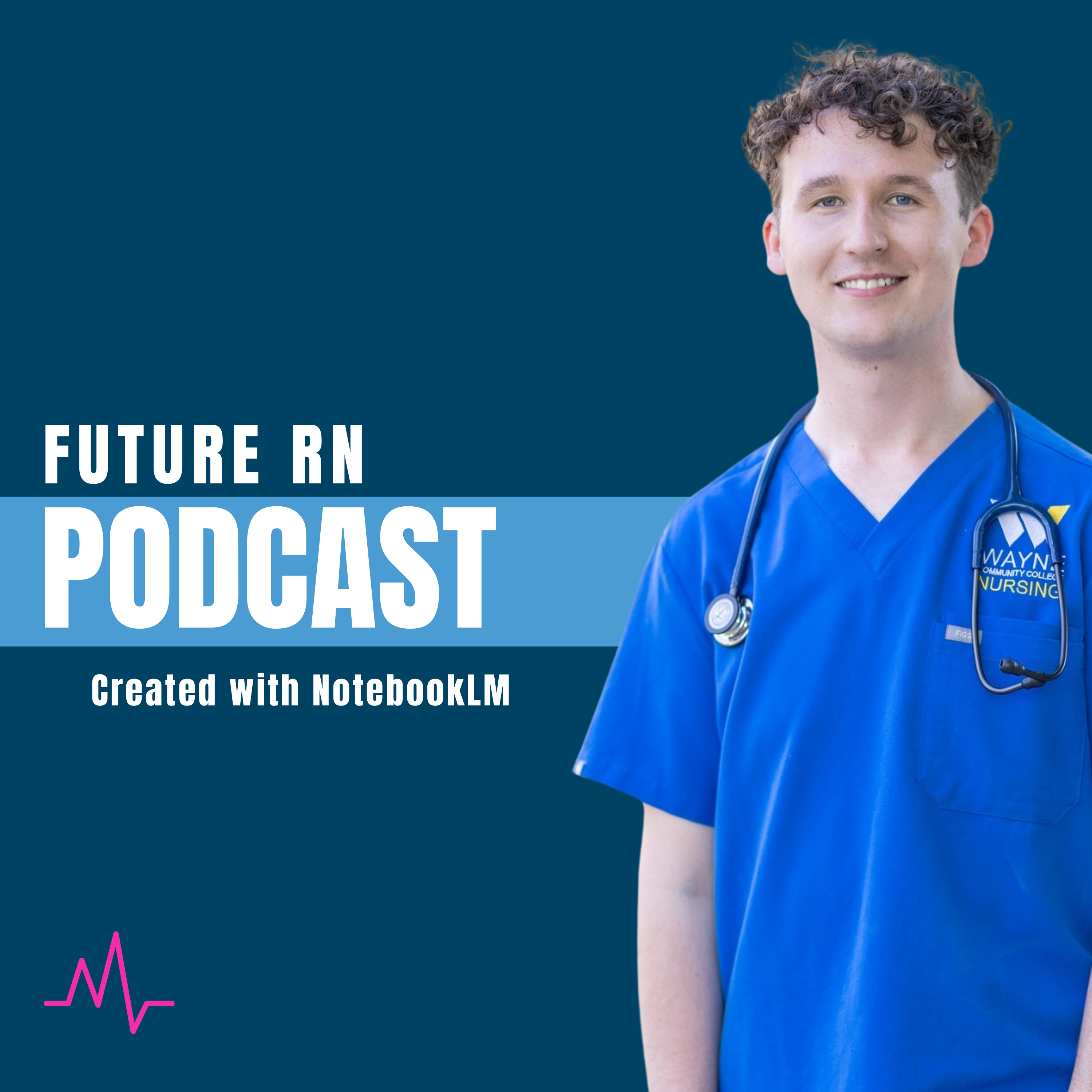
Future RN Podcast treats nursing concepts as problems that arrive with urgency, ambiguity, and consequences. It starts from the kind of scenario that forces attention: a patient in withdrawal, a pathogen moving through air or water, a body losing the ability to regulate heat, a fractured limb that might also be losing blood flow. The show’s core move is to connect mechanism to clinical judgment. Biology matters because it changes what a nurse must see first. In episodes on behavior, the focus moves through intoxication, withdrawal, addiction pathways, liver injury, and thiamine deficiency without reducing the subject to moral language. Infection coverage uses tuberculosis, Giardia, and Salmonella to link microbes with hospital ventilation, testing logic, isolation, and public infrastructure. Comfort and fibromyalgia bring chronic pain, complementary therapies, medication risk, and end-of-life care into the same frame of suffering and environment. Thermoregulation becomes a public-health problem when aging bodies meet heat, cold, and fragile support systems. Mobility episodes make fractures, compartment syndrome, traction, and neurological disease feel like connected parts of one movement system. Osteoporosis is framed through remodeling, fragility fractures, and the silent loss of bone strength. Perfusion brings stroke assessment down to minutes, consciousness, vision, facial movement, aphasia, and recovery. Intracranial regulation emphasizes baseline observation, pediatric and older-adult differences, acute confusion, and pressure inside the skull. The register is animated, sometimes cinematic, but the copy stays anchored in study-guide reasoning. It is not a relaxed chat around nursing school. It is a brisk translation of dense module material into clinical cause, effect, and priority. The result is useful for learners who need more than definitions. It gives them a mental rehearsal space for recognizing danger, sorting symptoms, and remembering why the detail matters.