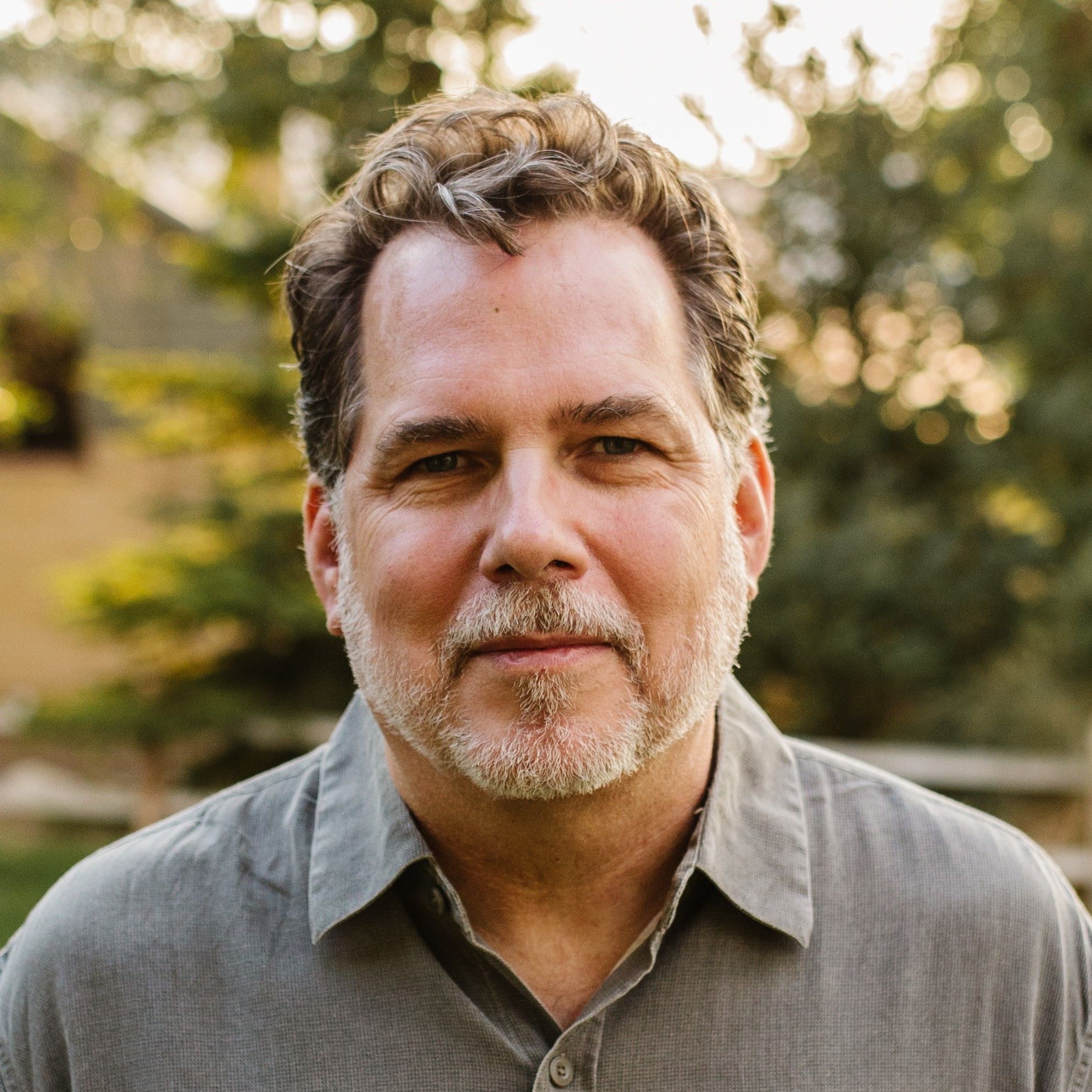
Exploring Stem comes from American Public University, and its conversations are led by Dr. Bjorn Mercer. The structure is simple. Mercer welcomes a guest from the faculty, names the topic, and works through a set of questions, often announcing them outright as the first one, then the next. Talks usually close with him thanking the guest for an absolutely wonderful conversation, followed by a pointer to the university. Health questions come up again and again in the recent episodes. With Dr. Stacey Malinowski, Associate Dean in the School of Health Sciences, sepsis is described as the body's response to an infection pushed into overdrive, an overwhelming reaction that reaches every system. She goes through a mnemonic letter by letter, with M for mental decline and E for someone who seems far sicker than a small cut or infection should make them. The conversation also touches on the older term 'blood poisoning' and on the point that men are less likely than women to seek help. Dr. Jamila Powell, also of the School of Health Sciences, returns across several conversations. On diabetes she names food as the biggest modifier, moves on to stress management, and recommends seeing a dietitian first. She also describes children in schools, some very young, whose sugar levels are hard to predict. Her summer hazards conversation is dense with specifics: protected feet against parasites in the ground, light long-sleeved clothing and hats, sunscreen reapplied after swimming or sweating, and SPF 30 or higher, which she says researchers recommend. On family health history, the talk turns to why relatives avoid the subject of mortality, and how approaching the more open family member, and treating the questions as a celebration of life, can make it easier. Not every thread is clinical. A conversation about the booming business of health documentaries, good, middling and poor, includes a stretch on distracted eating and the case for eating mindfully: chewing thoroughly, savoring each bite, slowing down. Mercer has a line he admits to repeating on the podcast, that people now live in a 'food forest', with more food than humans have ever had and yet so many people unhealthy. Dr. Shelley Carter of the School of STEM, back after an earlier conversation about Firefly, joins him to consider how science fiction writers take on difficult social norms. That talk weighs the pushback 'The Lorax' received for its environmental message, and how to talk about environmentalism with people who would rather kick the can down the road. The register throughout is friendly and earnest, closer to colleagues talking shop than a lecture. For a first listen, the sepsis conversation is the most immediately useful, because it leaves a checklist a person can actually remember.