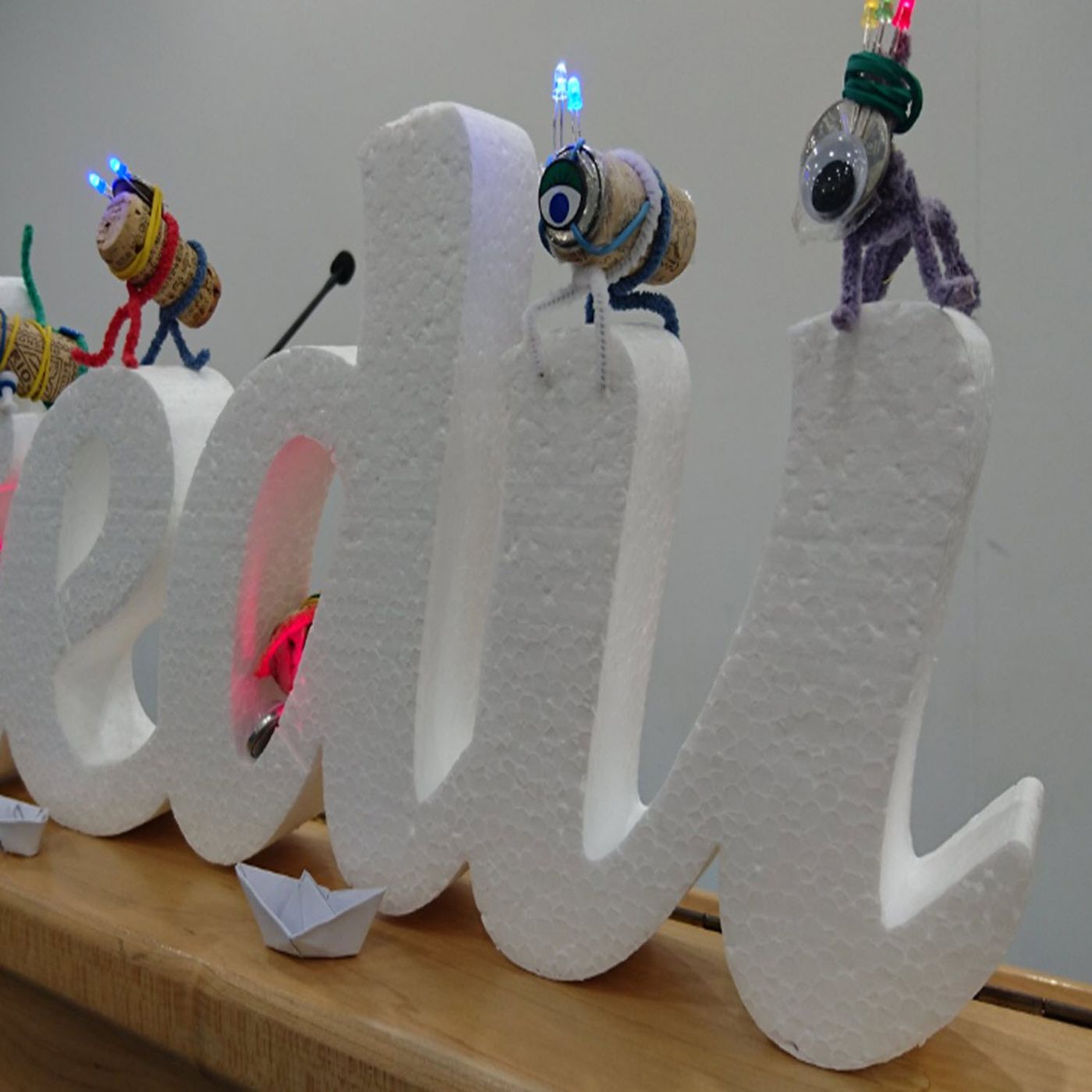
Edtech from Ireland is less a polished studio product than a long-running record of education technology in use. Its center of gravity is the classroom. Bernie Goldbach appears across the episodes as a lecturer thinking aloud about tools, assignments, networks, archives, and the habits students need when their work becomes public. The show cares about workflow. Flickr becomes a place for open educational resources. Napkin becomes a way to rearrange student observations into visual thought cards. Otter becomes a prompt for action steps and transcript-driven reflection. SharePoint, OneDrive, Mastodon, Twitter, YouTube, Spotify, Google Keep, Bear Writer, Alexa, Immersive Reader, and green-screen apps all appear as everyday parts of learning rather than shiny novelties. Some episodes sound like seminars captured in motion. Students explain creative broadcasting projects, Twitter campaigns, photography, film production, accessibility frustrations, and movie reactions. The talk can be messy, but the mess is part of the evidence. Listeners hear learners testing language, microphones, media judgment, and confidence in real time. Other episodes move through ICTEDU conference planning, with Pam O'Brien discussing teacher networking, maker meetups, Dream Space, and the value of practical classroom exchange. The show also follows family learning closely. Dylan Goldbach explains green screens on TIP-FM and later describes tools that help him stay with his regular class. Mia's Book of Ireland becomes a route into note taking, markdown, travel memory, and children's perspectives. Media writing receives direct attention too, from email discipline to web publishing, video review, semiotics, local culture, and public digital identity. The register is candid and sometimes blunt. It can shift from instructional detail to personal aside in the same breath. Political and cultural commentary appears around Fire and Fury, Donald Trump, blame, reputation, and America's image from Europe. The strongest through-line is not gadget enthusiasm. It is the belief that learners build agency when they can record, write, tag, search, publish, archive, and explain their own work.