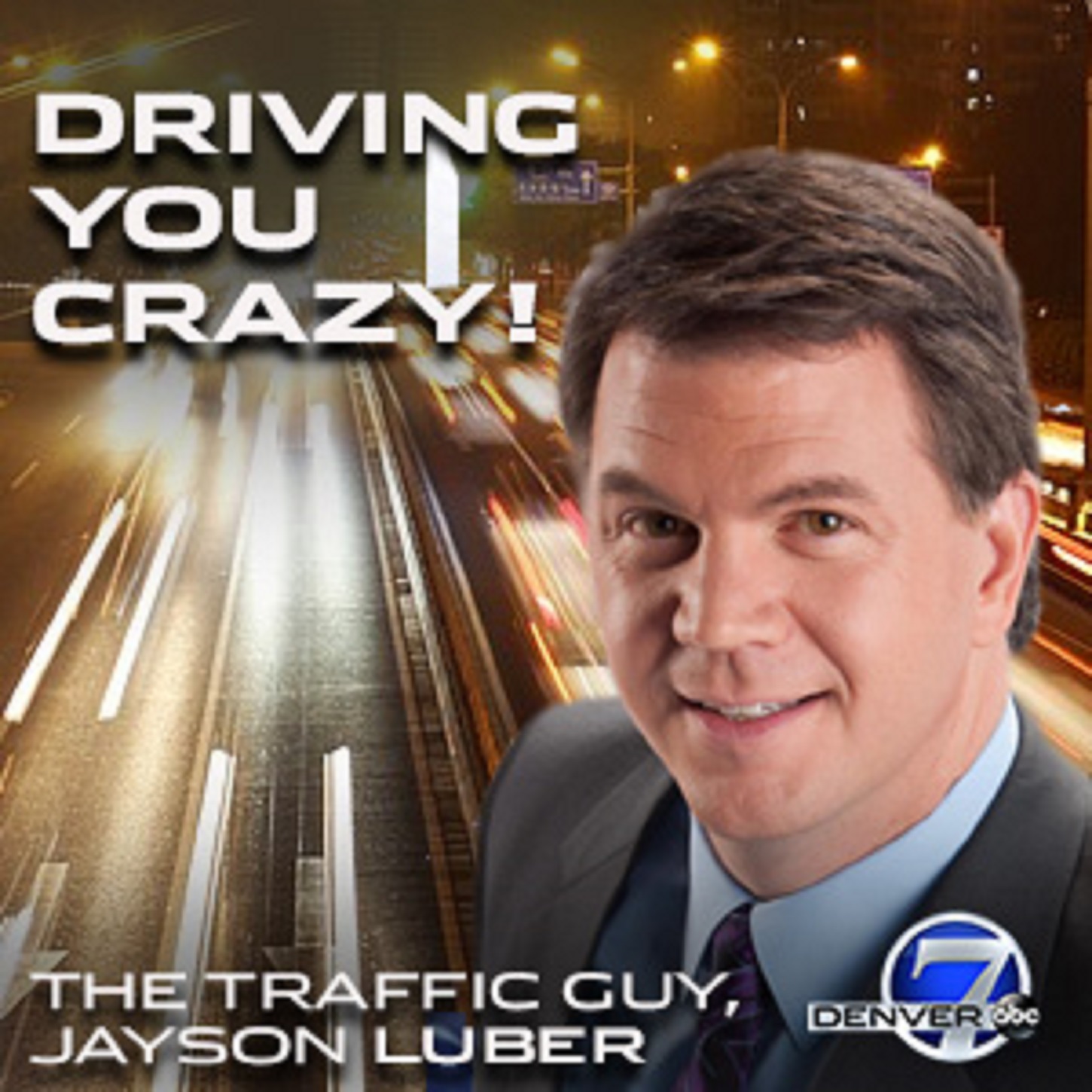
Driving You Crazy is a road-and-transportation show with a working-reporter feel. It stays close to the practical business of getting from one place to another. The show covers traffic, cars, toll roads, road safety, auto technology, and the odd little frustrations that build up inside a commute. Its center of gravity is Denver, but its questions are broader than one metro area. Distracted driving becomes a conversation about what cars should detect and when they should intervene. Seatbelt safety becomes a test of whether a familiar message can still be made useful. A toll-road interview turns into a discussion of public-private partnerships, local opposition, and how expensive road projects get financed. Road salt is not just winter maintenance; it becomes runoff, pavement damage, chemical mixtures, and a budget problem for transportation departments. The show is at its best when it takes a familiar driving topic and keeps asking the next plain question. How does a driver-monitoring system decide that someone is too sleepy? What happens if automatic emergency braking gets in the way of off-road driving or track use? Is there a sensible moment to buy a car when prices keep shifting? Are auto-show interviews actually worth doing when the answers get thin? That willingness to show the seams of a conversation gives the show a candid, local-radio texture. It is not slick in the usual automotive-media way. It talks through confusion instead of hiding it. Jason Luber brings a traffic anchor’s habit of turning abstract systems into road-level examples, and the interviews tend to stay accessible even when the subject gets technical. Recent episodes move among General Motors engineers, Kelley Blue Book voices, Cars.com perspective, toll-road operators, and academic research on de-icing chemicals. There is banter, but the show does not lean on performance. There are anecdotes, but they usually point back to safety, cost, regulation, or everyday usability. The overall feel is friendly, workmanlike, and curious. It is a strong fit for listeners who think roads are more than pavement and cars are more than machines.