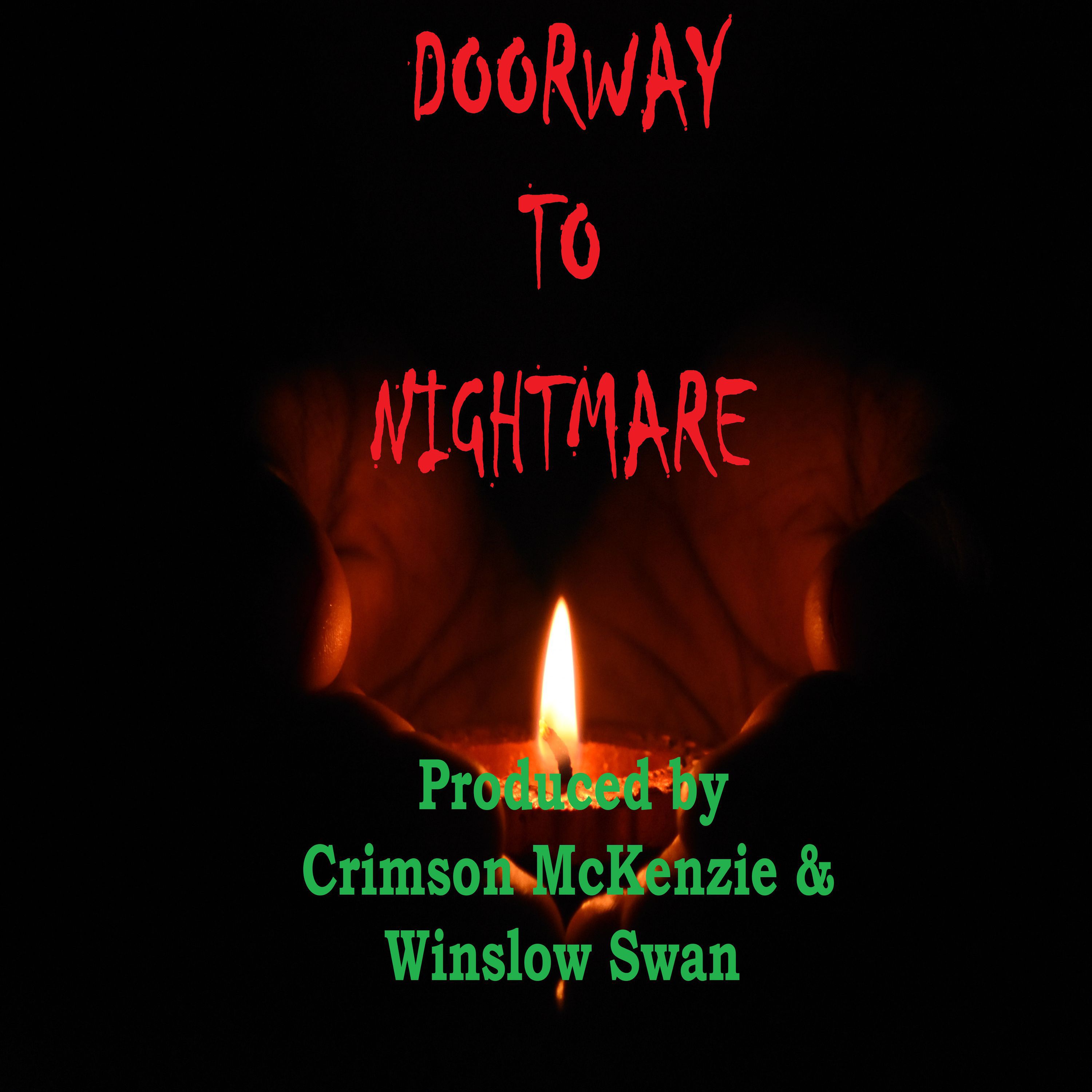
Doorway To Nightmare is a horror and suspense fiction show with the bones of classic radio drama. It works in acts. The opening narration sets a grave frame, a quote or premise tilts the mood, and the story quickly puts someone in a room with a secret they cannot outrun. The plots are blunt in the best theatrical sense. A man says he has murdered his wife. A lawyer pretends to help and then turns the police toward his own client. A dead woman seems to return at the worst possible moment. Another episode reaches toward the question of what happens after death, using a murder witness who cannot speak until the story bends the rules. Elsewhere, the horror comes from domestic obligation, abandoned streets, dreamlike small towns, invisible presences, and family vows that become traps. The show is not subtle about its love of the cliffhanger. It announces act breaks, circles back to motive, and lets accusations land with stage-weighted force. That gives the fiction an old-fashioned charge without making it feel stiff. The recent feed also makes room for creator commentary. In the true-facts episode, Swan and Crimson talk loosely about the show’s long development, characters, spinoffs, collaborators, and the everyday mess of production. Those conversations soften the edges without deflating the dread. They make the series feel handmade, persistent, and a little self-mythologizing. Doorway To Nightmare is strongest when it lets ordinary settings turn theatrical: a hotel room, a hospital, a quiet town, a family home. Something is always waiting behind the polite surface. The pleasure is not only fear, but the snap of revelation. It suits listeners who enjoy supernatural audio plays that are earnest, brisk, and unafraid of melodrama. The show knows exactly what kind of door it is opening.