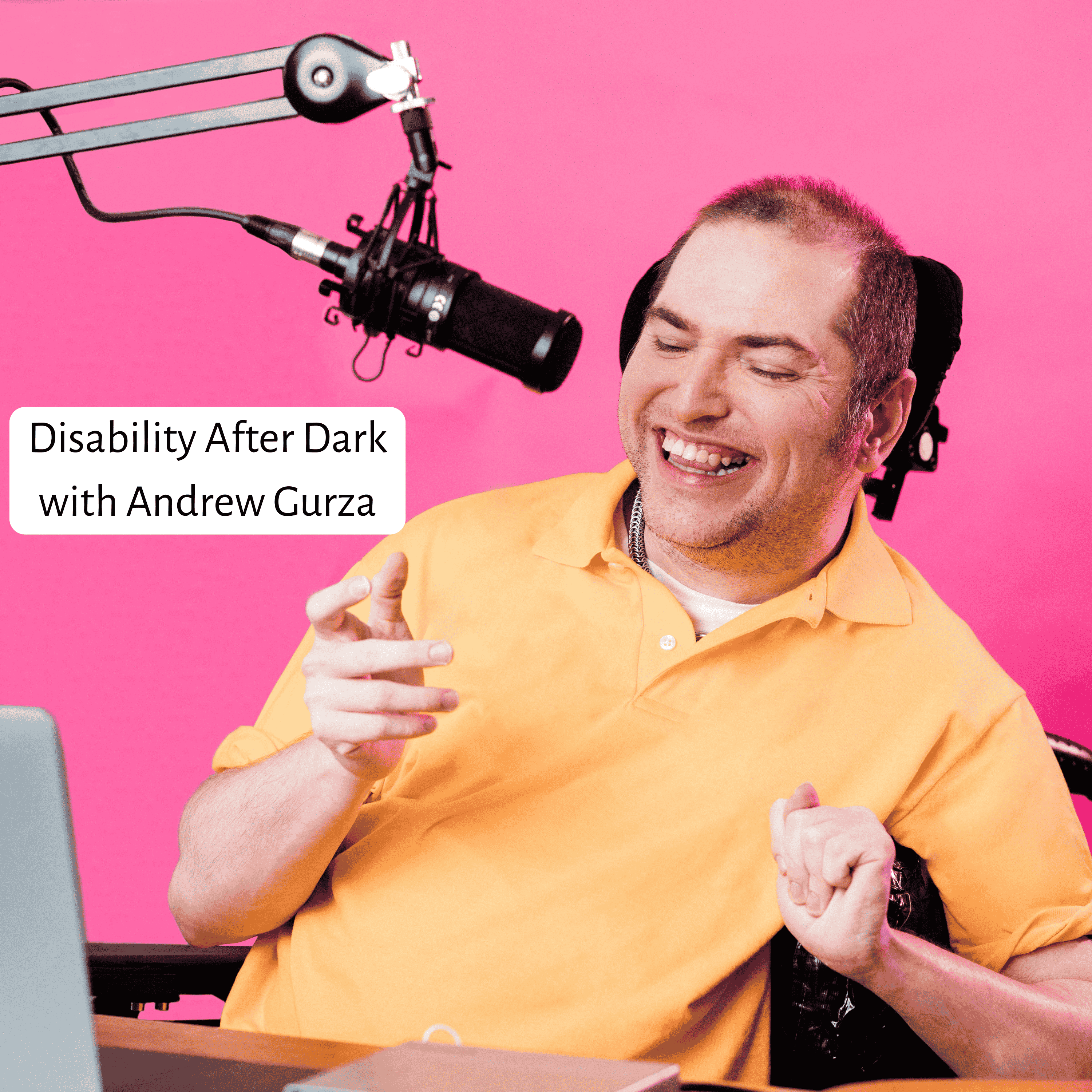
Disability After Dark is an interview show about disabled life after the polite questions run out. It is frank. It is also warm, chatty, and emotionally close, with openings that often spend time on framing, sponsorships, and the personal reasons an episode matters before the guest conversation fully takes over. Recent episodes show the range clearly. One conversation looks at Long COVID, gray grief, and living with uncertainty. Another follows the overlap between trans and disabled bodies in porn, asking how disgust, desirability, and representation get assigned by culture. Other episodes move through facial difference, chronic illness, disability identity, service dogs, sex education, paid intimacy, creative burnout, and the need for more sustainable ways for disabled creators to be seen. The show is comfortable talking about bodies. It is comfortable talking about sex. It is just as comfortable pausing on care, loneliness, uncertainty, and the strange relief of finding people who understand. The interviews do not feel clinically packaged; they move like conversations between people who can joke, lose the thread, recover it, and still land somewhere honest. That looseness is part of the appeal. Disability After Dark makes room for contradiction: pleasure and grief, access and desire, independence and support, humor and pain. It often centers queer and trans perspectives without turning them into a lesson. It also treats adult intimacy as part of access, not a side issue or a scandal. The result is a show for listeners who want disability culture discussed with clarity, mess, and feeling. It can be explicit in subject matter, but its deeper project is simple: disabled people are not side characters in their own bodies.