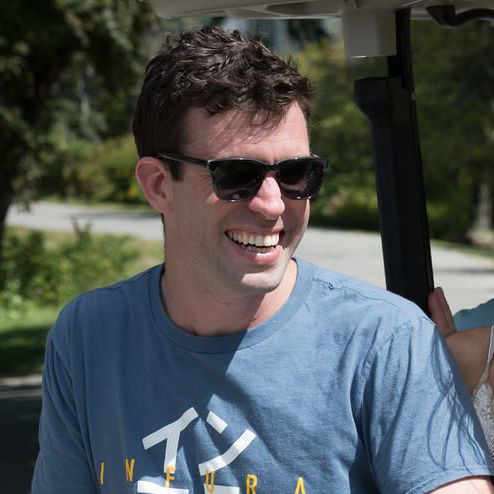
Digitally Rare is a show about digitally owned things, but its center of gravity is not simply the token. It is the world around the token. Across the excerpts, the show returns to NFTs, on-chain art, minting, marketplaces, social networks, royalties, ordinals, and the strange little rituals that make digital objects feel meaningful. The conversations often begin inside a project and then widen. Mackenzie Davenport brings Ensemble and sketchbooks into a discussion of usefulness to artists and the survival mode of startups. Sam Spike brings Animal Software and Finney's JPG into questions about digital portals, marketplaces, royalties, and the imagined next turn into hardware or wetware. Chain leftist talks through historical NFTs and the spectrum of what counts as on-chain, from hashes to Autoglyphs and crypto-social art where token owners affect one another's work. Tor, co-founder of Stash, frames social digital ownership through attention, gems, and a community canvas. Kevin Esherick's return moves through material culture, coded detail, and NFT-world arguments about expertise and securities language. Giancarlo connects YouTube, clickbait, minting, and pay-what-you-want mechanics through projects such as zero.fun and Mint or Skip. Cole's Summer Haze conversation folds conceptual art, generative systems, heat, brush marks, and erasure into the same field. Rhea Myers brings Bitcoin art, ordinals, property, ownership, and play into sharper philosophical territory. The show's texture is informal, quick, and often funny. It is also unusually comfortable staying with technical distinctions until they become cultural ones. A listener does not get a polished explainer or a market bulletin. The value is in hearing builders and artists think aloud about what ownership can do when the object is digital, social, programmable, and sometimes ridiculous. Digitally Rare is at its best when the room is laughing and still arguing about provenance, aura, attention, or the meaning of minting.