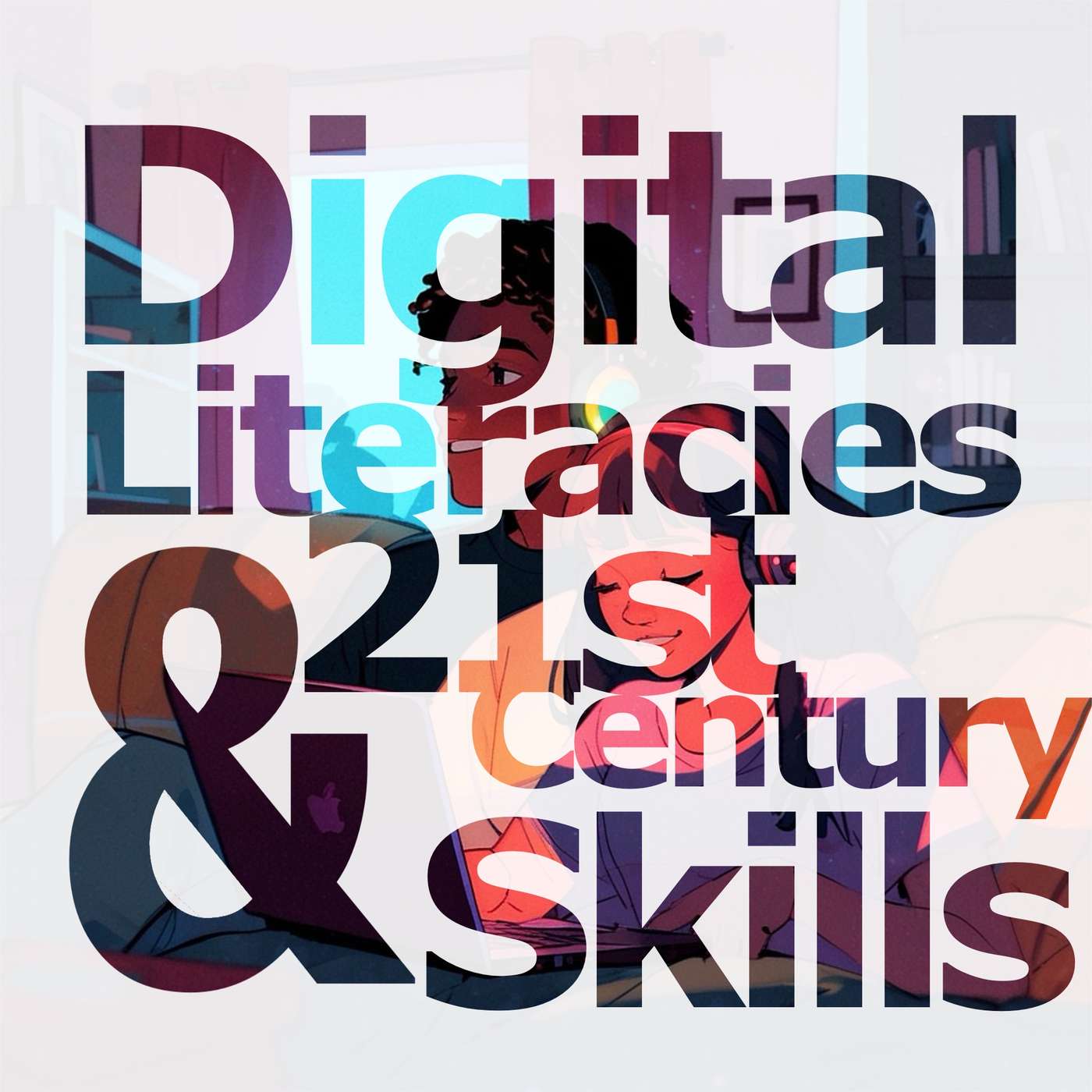
Digital Literacies and 21st Century Skills is a course-based education podcast about learning, identity, trust, and communication in networked life. The format is simple: a rotating set of speakers takes up a course topic, brings in a reading or framework, and then tests it against familiar online spaces. That gives the show its texture. It can move from disinformation theory to a faculty-room rumor, from multimodality to image curation, or from virtual communities to TikTok life coaches without treating those examples as trivial. The conversations are casual, sometimes repetitive, and often more interested in weighing tradeoffs than winning an argument. That works for the subject. Social media is rarely framed as purely helpful or purely harmful. Instagram can inspire, TikTok can teach, Pinterest can support a creative habit, and online communities can help people find language for a life they had not seen modeled nearby. Then the other side arrives. Algorithms shorten attention, influencer advice can blur into salesmanship, public learning can intensify anxiety, and AI-generated media can make even skeptical viewers pause. The show keeps returning to that middle ground. Digital networks expand access, but they do not replace human connection. Visual media can make learning richer, but students still need to ask who made an image, what choices shaped it, and what it wants them to believe. Community can be powerful, but shared enthusiasm can become uncritical following. The strongest episodes sound like students learning out loud, connecting theory to the online habits of children, teens, teachers, families, and themselves. It is not a headline-driven tech podcast. It is more like an open classroom archive, useful for listeners who care about media literacy as something practiced in everyday scrolling, teaching, checking, sharing, and slowing down.