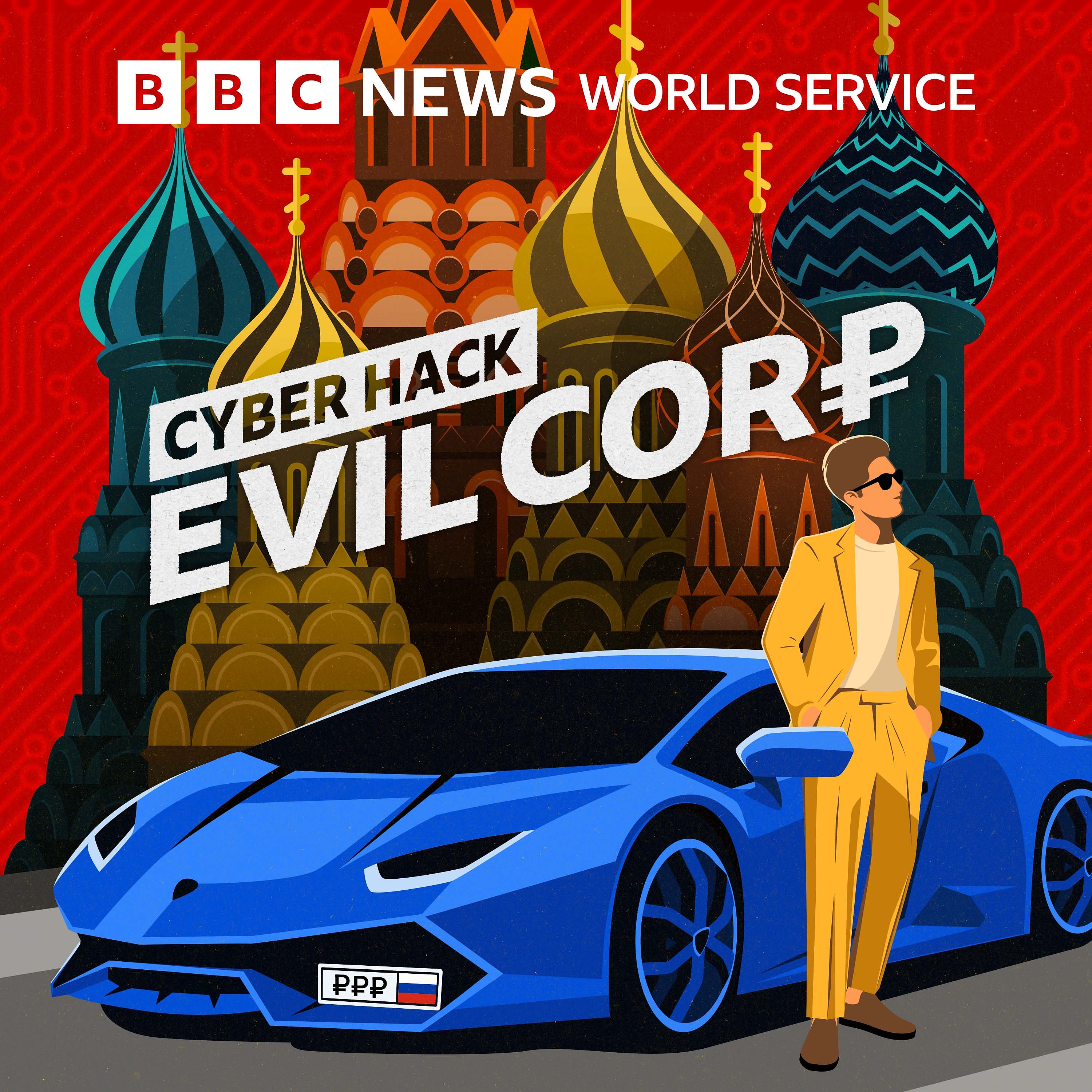
Cyber Hack is a reported cyber true-crime series about the people, tools, and institutions behind major alleged hacking operations. Its recent Evil Corp season follows one cybercrime network through luxury, violence, police work, courtroom limits, and geopolitical pressure. The show does not treat hacking as a magic trick. It treats it as labor, infrastructure, access, timing, and risk. A login alert matters because it tells a crew when a victim is vulnerable. A money mule matters because stolen funds still have to move through the physical world. A prison call matters because it turns an alias into a person with habits, memories, denials, and motives. The storytelling often begins small. Moscow street racers tear through the city. A man walks out of court, ignores a driving ban, and heads toward a pub. A shell hits an apartment block in Donetsk. A federal prison line clicks open. From there, the show builds outward into botnets, FBI server takeovers, Ukrainian security work, British surveillance, ransomware, and summits between presidents. That scale is the point. Cyber Hack shows how online theft can reach bank accounts, family homes, companies, pipelines, and diplomatic rooms. It also keeps a close eye on uncertainty. Intelligence is not always evidence. Attribution is not always simple. A criminal group operating from Russia is not the same thing as a Russian government attack, even when the boundary looks blurry. The series is strongest when it lets investigators explain the practical problem in front of them, then translates the stakes without drowning the listener in jargon. Joe Tidy and Sarah Rainsford present the Evil Corp season with a controlled, serious pace. The tone can be dry when criminal details become absurd, but it stays grounded in harm, pressure, and consequence. It suits listeners who like true crime, cyber investigations, international reporting, and procedural detail. It is less about dark-web mystique than about how a criminal operation actually runs, adapts, and survives scrutiny. The result is tense, lucid reporting on cybercrime as organized power.