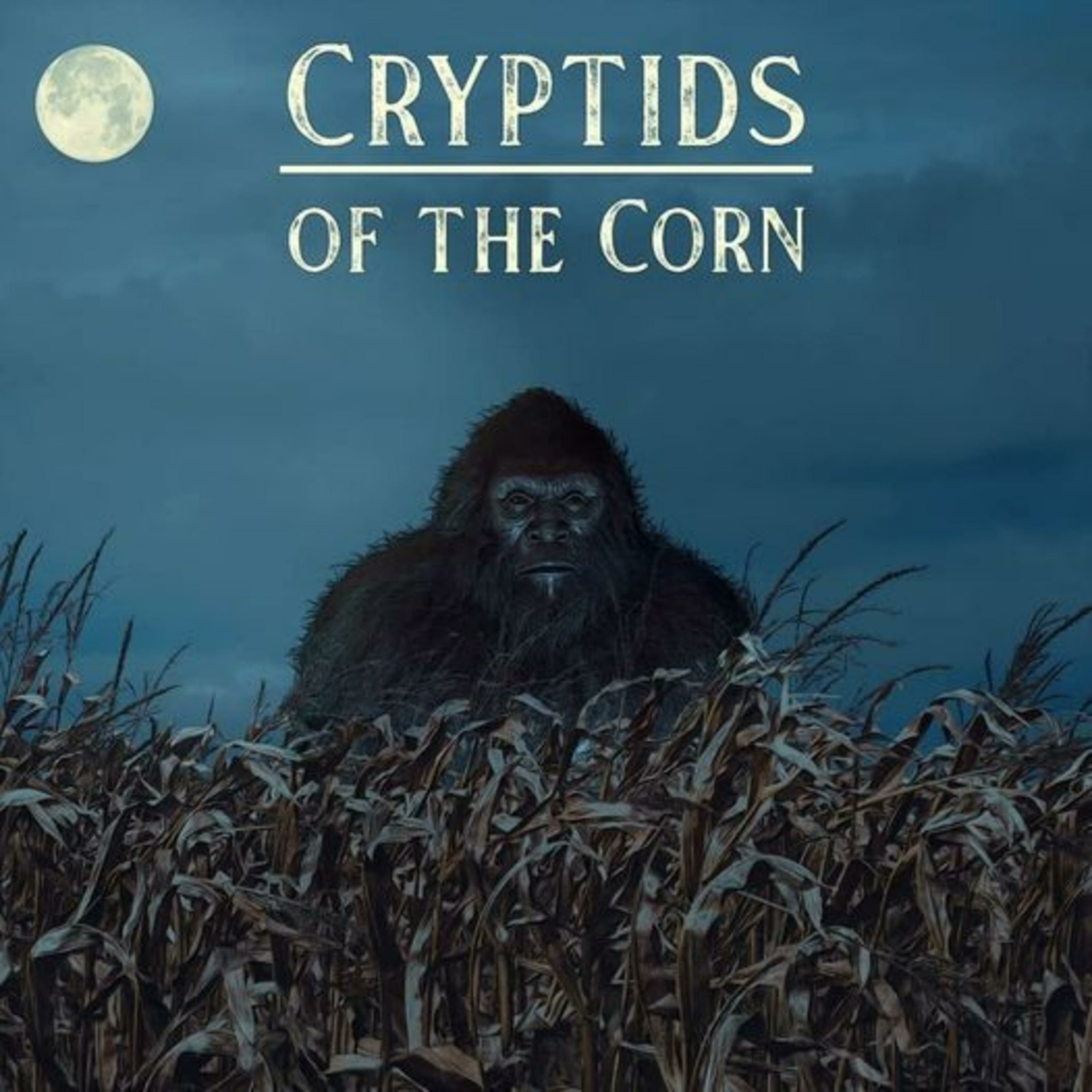
Cryptids Of The Corn is a paranormal and cryptozoology conversation show with its feet planted in the Midwest and its attention pointed anywhere the weirdness seems useful. It has a homegrown feel. Recent episodes move through the Honey Island Swamp Monster, Eastern Ohio Bigfoot reports, Old Hag Syndrome, giant Japanese mystery fish, Sámi mythology, false perception, and a deep-sea oxygen puzzle. The structure is usually loose but recognizable. A bit of banter or housekeeping opens the door, then a case, article, listener request, or guest conversation becomes the spine of the episode. The show is comfortable sounding unfinished in the moment. Corrections stay in. Jokes land sideways. Tangents about bowling lanes, local Ohio distance, cartoons, food, or wildlife show up as part of the reasoning rather than as separate filler. That looseness is also where the show’s editorial shape lives. Strange claims are rarely treated as sealed mysteries. They get pushed, compared, doubted, reimagined, and run through practical questions: what would fit the description, what could the body or brain be doing, what does the witness account actually suggest, and when does folklore start to overlap with biology or bad perception? The science episodes give that habit extra range. A discussion of dark oxygen can lean on dissolved oxygen measurements, microbes, lab simulations, and recalibrated equipment without turning into a lecture. A show about eyes and the brain can become a route back into paranormal reports. The scarier material is not ignored, especially in sleep-paralysis accounts that describe helplessness, bodily invasion, and lingering fear. Still, the show keeps returning to conversation instead of performance. Interview episodes can hand the room to a guest, as with Jeremiah Byron discussing an Eastern Ohio Bigfoot flap, but the familiar dynamic remains chatty and locally grounded. It is for listeners who want creature lore with jokes in the margins, skepticism without smugness, and a sense that the strangest story in the room still has to survive a practical follow-up question.