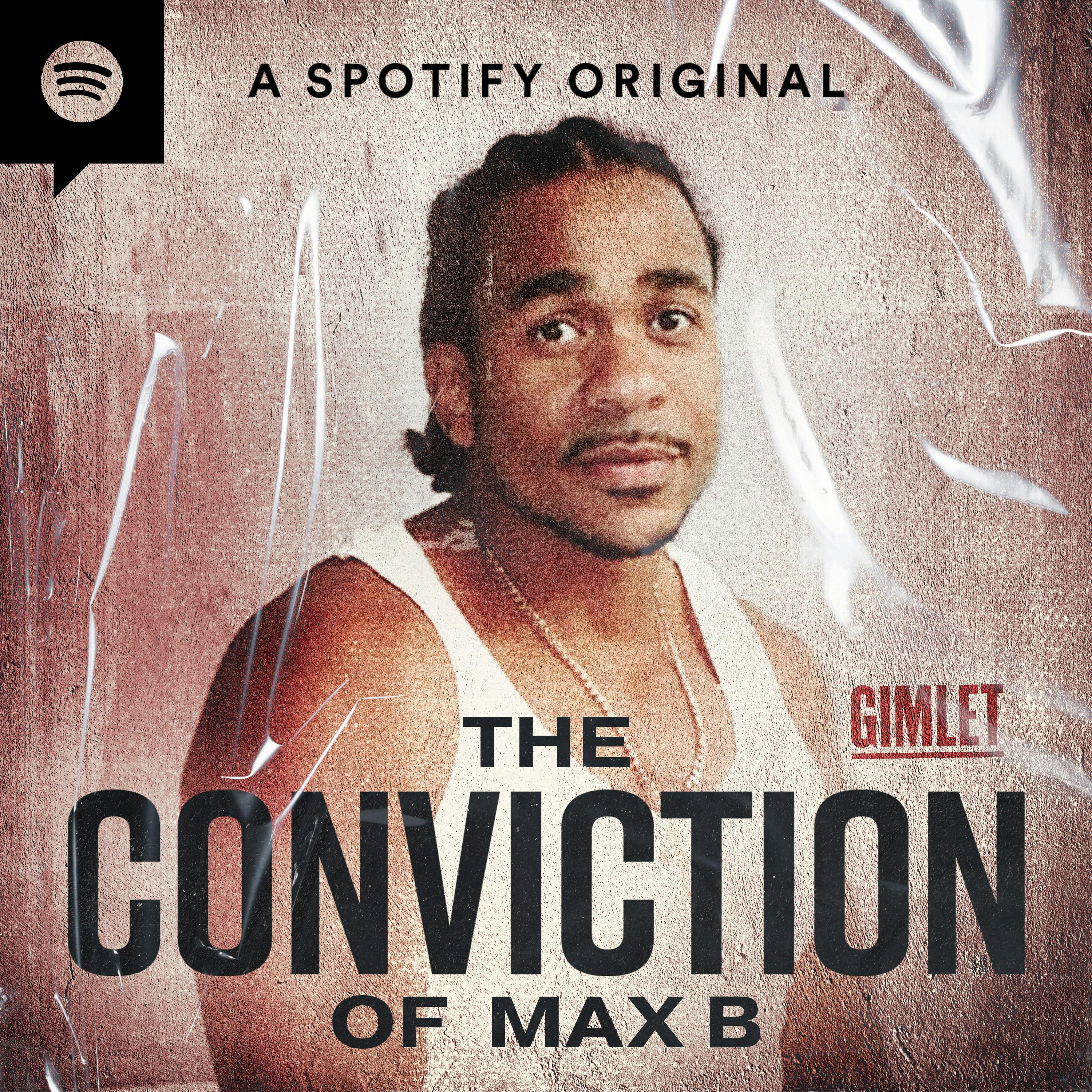
Conviction is a serialized investigative anthology about criminal cases that keep producing questions after the official story has already been written. Its episodes move with the patience of long-form reporting. A season on Max B follows a Harlem rapper near a breakthrough, a plan around a bag of money, and a hotel-room robbery that turns fatal. The story does not reduce the case to guilt or innocence. It tracks how Charlie, Gina, Sims, Alan Plowden, and others enter a chain of decisions that grows harder to untangle with every interview. Another season, American Panic, begins with John Quinney's childhood memories and widens into family fracture, religious fear, allegations of abuse, and the long shadow of trauma. The show also spends time with Pedro Hernandez's case, Manny Gomez's campaign, Detective David Terrell's account, and the complaint records and police reports that complicate both sides. These are not brisk case summaries. They are built from tape, hesitation, contradiction, and the moments when someone's memory meets an institution's paperwork. A mother laughs while describing terror. A social worker ignores a warning she later regrets. A prison recording cuts out just when a claim becomes most important. Conviction pays attention to those gaps. It is especially strong at showing how criminal justice stories depend on who gets believed first, who has documentation, and who has to keep returning to court to resist a version of events. The tone stays grave without becoming theatrical. It gives space to grief, anger, uncertainty, and doubt. The result is true crime for listeners more interested in systems, testimony, and consequence than in a clean reveal.