A practical case for building a simple system to collect and use patient stories.
Jill Steele treats patient stories as a real asset for community health centers, arguing that the experiences already in their care hold persuasive value.
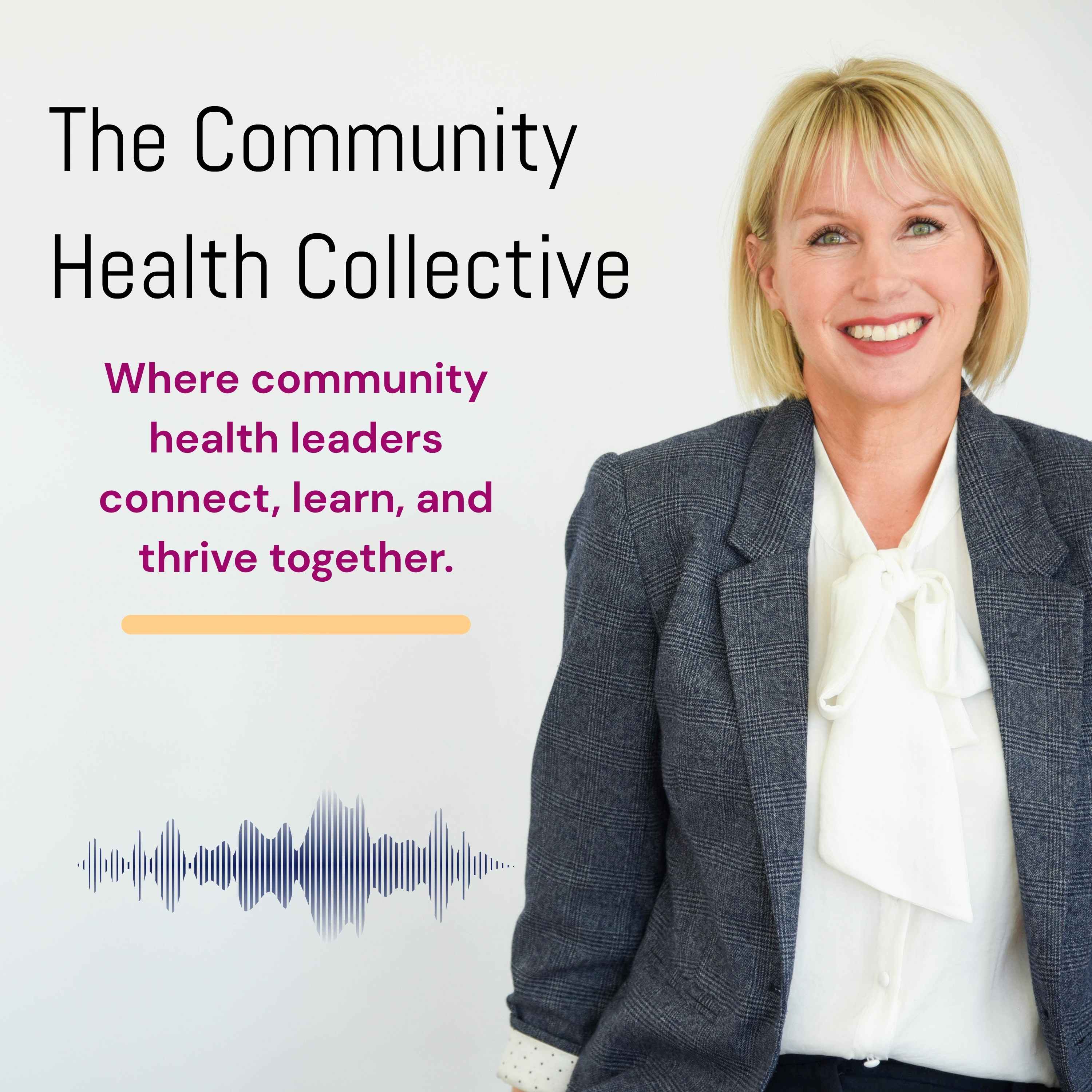
Jill Steeley
48 episodes listed below
Mission care, built to survive.
Community Health Collective is a practical business-and-operations show for community health leaders facing thin margins and messy tradeoffs. Jill Steele connects revenue cycle, cost control, patient stories, funding, AI tools, and leadership hesitation to the same central question: what keeps care available?
PRESS PLAY
Community Health Collective speaks to the practical strain of running community health organizations. It is not a general healthcare commentary show. Jill Steele works from the premise that mission-driven care still needs margin, systems, and clear decisions. The episodes keep coming back to the same hard center: health centers cannot serve patients if their operating model is quietly breaking. That gives the show its urgency. One week, the focus is patient stories and how to collect them without exposing private information. Another week, the issue is contract spend, inventory, vendor loyalty, and the savings that may sit below a group purchasing arrangement. Revenue cycle appears as a recurring pressure point, especially around denials, billing errors, no-shows, and inefficient access workflows. Rural funding gets treated as a time-sensitive opportunity, not as a headline. AI and software tools are discussed in terms of staff efficiency, patient retention, appointment reminders, and operational relief. The show is strongest when it turns anxiety into sequence. Name the resistance. Separate real constraints from organizational habits. Decide what can be measured, fixed, or funded next. That structure gives even promotional or program-focused episodes a clear operating logic. The CEO Connect Bootcamp episodes add a more personal layer, using Steele's account of stepping into a troubled health center as a way to talk about leadership under pressure. Interviews are guided, not loose. Guests such as people from the ERA group or Melissa Erlinson are brought into questions about cost savings, technology, and the realities of FQHC work. The vocabulary assumes listeners know the terrain: boards, grants, payer mix, CMS priorities, provider productivity, and sustainability. Still, the language stays plain enough to be useful in a staff meeting. Community Health Collective ultimately frames financial discipline as patient protection. The show suits leaders who need fewer slogans and more ways to keep the doors open.
Made for: Community Health Collective is for health center leaders, rural clinic leaders, public health program leaders, and people putting community care first who carry both patient care and financial responsibility. It also fits healthcare vendors who need to understand the operational pressure inside community health.
What sets it apart: The show stands out by treating revenue, costs, marketing, patient access, and leadership hesitation as connected operating problems. It keeps the mission close, but insists that sustainability has to be managed in concrete steps.
I'm Jill Steeley, and I spent years as an FQHC CEO feeling like I was the only one struggling with impossible choices—mission or margin, staff or budget, growth or sustainability. Until I realized: I wasn't alone. None of us are. That's why I created this podcast—to build the community that community health leaders deserve. Whether you're leading a health center, a rural clinic, a public health program, or any organization putting community care first, you'll find practical wisdom, honest conversations, and a whole lot of "finally, someone gets it" moments here. Each episode tackles the big stuff—financial strate...
Based on 5 episodes we listened to · September 2026
Jill Steele connects health center finances to operational choices that shape staffing, patient access and long-term stability.
Community Health Collective treats a health center's mission as an operating challenge with budgets, contracts, revenue and implementation attached.
That vendor contract might be your health center's quietest budget leak.
Press play if you want
Short reviews from the PlayNext desk, based on the episodes we processed.
A practical case for building a simple system to collect and use patient stories.
Jill Steele treats patient stories as a real asset for community health centers, arguing that the experiences already in their care hold persuasive value.
A practical cost-reduction discussion for health centers, centered on margins, contracts, and vendor discipline.
Community Health Collective treats expense reduction as an operating discipline, not a side project. Jill Steele ties inventory, contracts, and general operating expenses to the pressure points that can quietly drain health centers, while the ERA group points to savings that may…
A funding explainer that turns policy money into an operations checklist.
Jill Steele keeps the focus on a practical question: with $50 billion in Rural Health Transformation funding on the table, what should a health center actually do with it?
A practical look at community health sustainability that keeps patients, staffing, and revenue in the same frame.
This episode treats community health finance as a people-first problem, not a budget exercise. Jill Steele, drawing on public health and community health experience, keeps coming back to a plain point: when health centers stay in crisis mode, they cut services, staff, and sites,…
A steady case for action when hesitation feels prudent but delay starts to carry a cost.
Community Health Collective treats hesitation as a sensible response, not a flaw, and keeps asking when delay starts to cost a health center. Jill Steele leans into caution as wisdom, while still putting burnout, board trust, and the pressure of change in plain view.

Procedural judgment from the back table.

Independent pharmacy, from margins to mission.

Stephen Dubner tests bourbon economics, Alzheimer's research, and money advice against hard data.

Daily business news with Kai Ryssdal, tracking Fed policy, oil shocks, and private credit.

Galloway rotates Office Hours Q&A, Raging Moderates politics, and China Decode geopolitics weekly.

Patient stories are the tool health centers tend to forget.
Jill Steele brings three ERA Group guests onto Community Health Collective to talk about where health centers can leak money.
Jill Steele discusses building systems to prevent recurring problems in health center leadership, with a focus on FQHC CEO boot camp.
Jill Steele shares her personal story of turning around a struggling health center and introduces her CEO Connect Bootcamp for health center leaders.
Jill Steele and Melissa Erlinson discuss how health centers can recover revenue lost to inefficiencies, billing errors, and no-shows using AI and software tools.
Jill Steele opens by framing the Rural Health Transformation funding as real money with a real deadline attached.
Jill Steele traces her path into public health and community health.
Jill Steele opens by telling community health center leaders that hesitation is not always a flaw.
Jill Steele interviews Alan Stickler about how AI solutions from Vital Interaction can solve real operational problems in community health centers.
Attorney Matt Stevens discusses essential risk management strategies for Federally Qualified Health Centers to avoid costly legal mistakes.
Jill Steele interviews Murray Steinman about how a successful rebranding campaign boosted a health center's brand recognition from 23% to 94%.
Jill Steele discusses the importance of annual business planning for health center administrators to ensure strategic success.