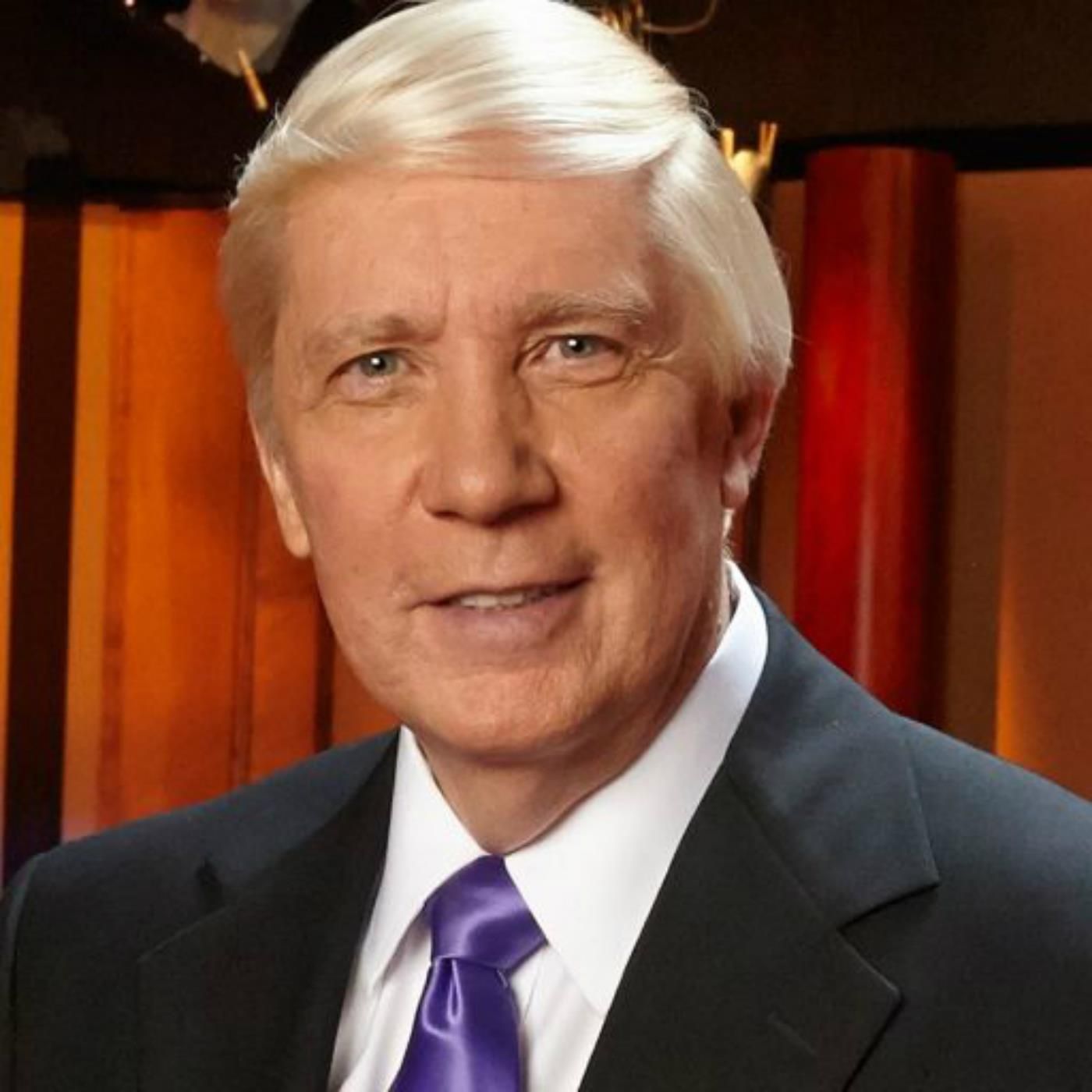
Christianity On Trial is a Christian apologetics show with the instincts of a courtroom argument and the structure of a serious lecture course. It asks whether Christian claims can be treated as factual claims rather than private religious preference. The answer, from the show's perspective, is emphatically yes. Dr. John Warwick Montgomery returns again and again to evidence, testimony, documents, historical records, and the logic by which people decide what happened in the past. The tone is formal but not bloodless. He can move from a technical point about David Hume to a classroom joke, then back into a close challenge to the assumptions beneath modern skepticism. Recent episodes focus heavily on a history of apologetics series. Bishop Butler, Origen, Luther, Erasmus, Pascal, Sartre, Nietzsche, C.S. Lewis, John Henry Newman, Anthony Flew, and David Hume all appear as part of a larger argument about faith, reason, revelation, and secularism. The show is especially interested in where Christian argument succeeds and where weaker arguments become vulnerable. One episode warns against fastening doctrine too neatly to temporary scientific models. Another presses the question of how anyone could claim that miracles have never been observed without first checking the historical record. The lectures are dense. They reward listeners who like categories, distinctions, and long intellectual arcs. Christianity here is not presented as one sincere path among many, but as a public claim centered on Jesus Christ entering history. That makes the show unapologetically confessional. It also makes it argumentative in the old academic sense: careful, adversarial, and built around reasons. Listeners looking for casual inspiration may find it demanding. Those interested in apologetics, Lutheran theology, the Reformation, Enlightenment criticism, and the philosophical roots of modern secularism will find a substantial archive. Its strongest moments come when abstract objections are brought back to ordinary questions of proof: who saw what, what was recorded, and what conclusion best fits the evidence.