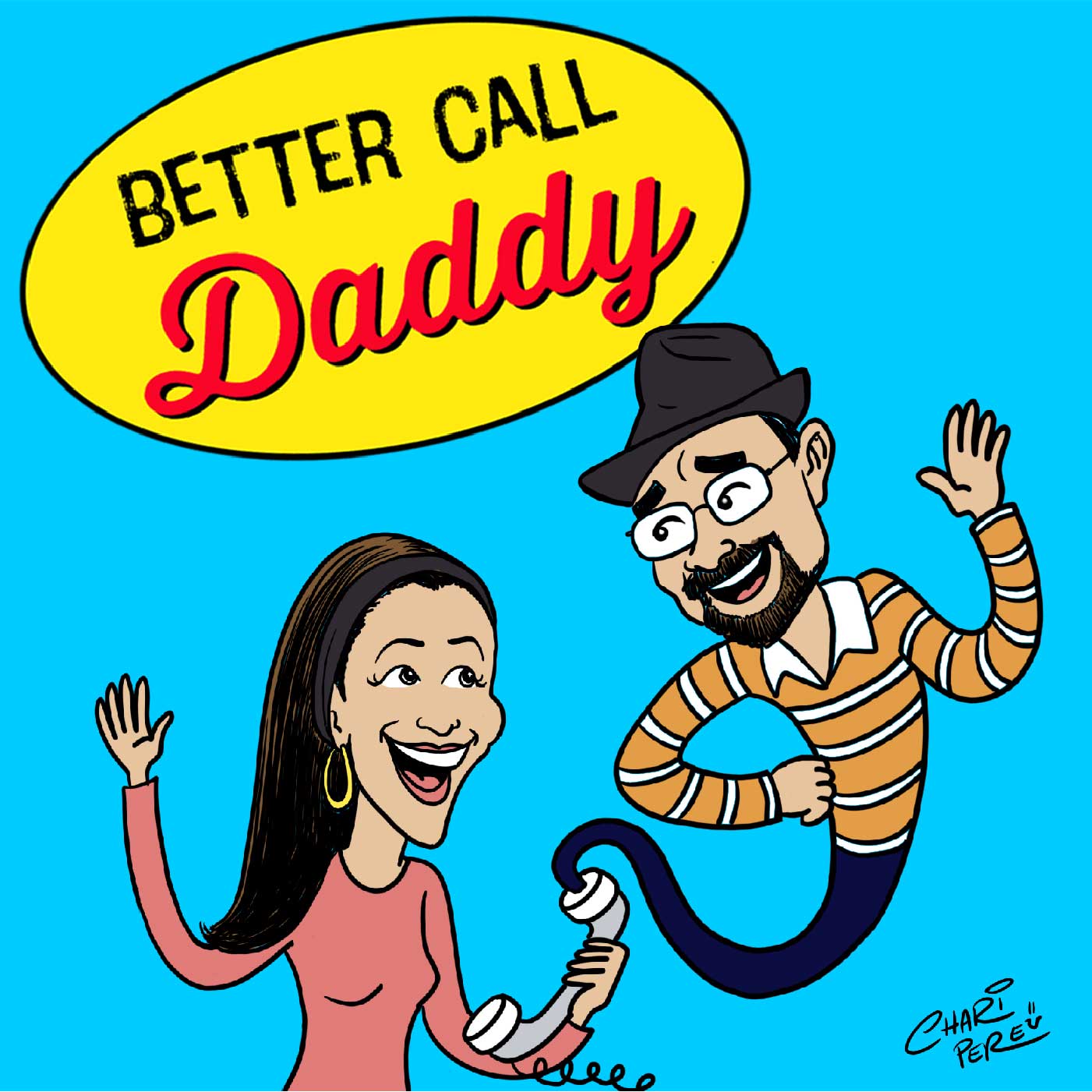
Better Call Daddy is built around the kind of story people usually need time to tell. The format is simple, but distinctive. Reena Friedman-Watts interviews guests about the family history, personal conflict, career turns, and emotional pressure that shaped them, then brings the story back to Wayne Friedman for closing advice. That second step matters. It gives each episode the feeling of being processed out loud, not just consumed as a confession. The show can move from humor to heaviness quickly. A conversation with Dean, also called 904 Dad Life, touches addiction, overdoses among friends, a bathroom birth, and painful father issues. An episode with Amma Primicino centers the identity shift that follows losing a dad, along with motherhood, creativity, and the pull between profession and parenthood. Samantha Elizabeth’s story brings estrangement, a bio dad, harassment, and the hard question of whether contact is worth reopening. Paula Sima’s episode turns toward emotional control, communication, and calling her dad. Other recent episodes widen the frame into mental health and trauma, real estate decisions, creative service pricing, and Scott Payne’s undercover work exposing American Nazi groups and hate groups. The range is broad, but the throughline stays personal. Better Call Daddy is most interested in what people inherit from their families, what they repeat, and what they decide to change. It does not flatten painful experiences into neat lessons. Instead, it lets the mess stay visible while still looking for usable wisdom. Wayne Friedman’s role at the end keeps the show grounded in family advice rather than pure spectacle. His comments can be funny, direct, sentimental, or stern, depending on the story he has just heard. Reena’s interviews lean warm and prompting, with enough curiosity to let guests keep going past the easy version. The result is a human, emotionally literate show about parents, children, identity, mistakes, repair, and the advice people wish they had sooner.