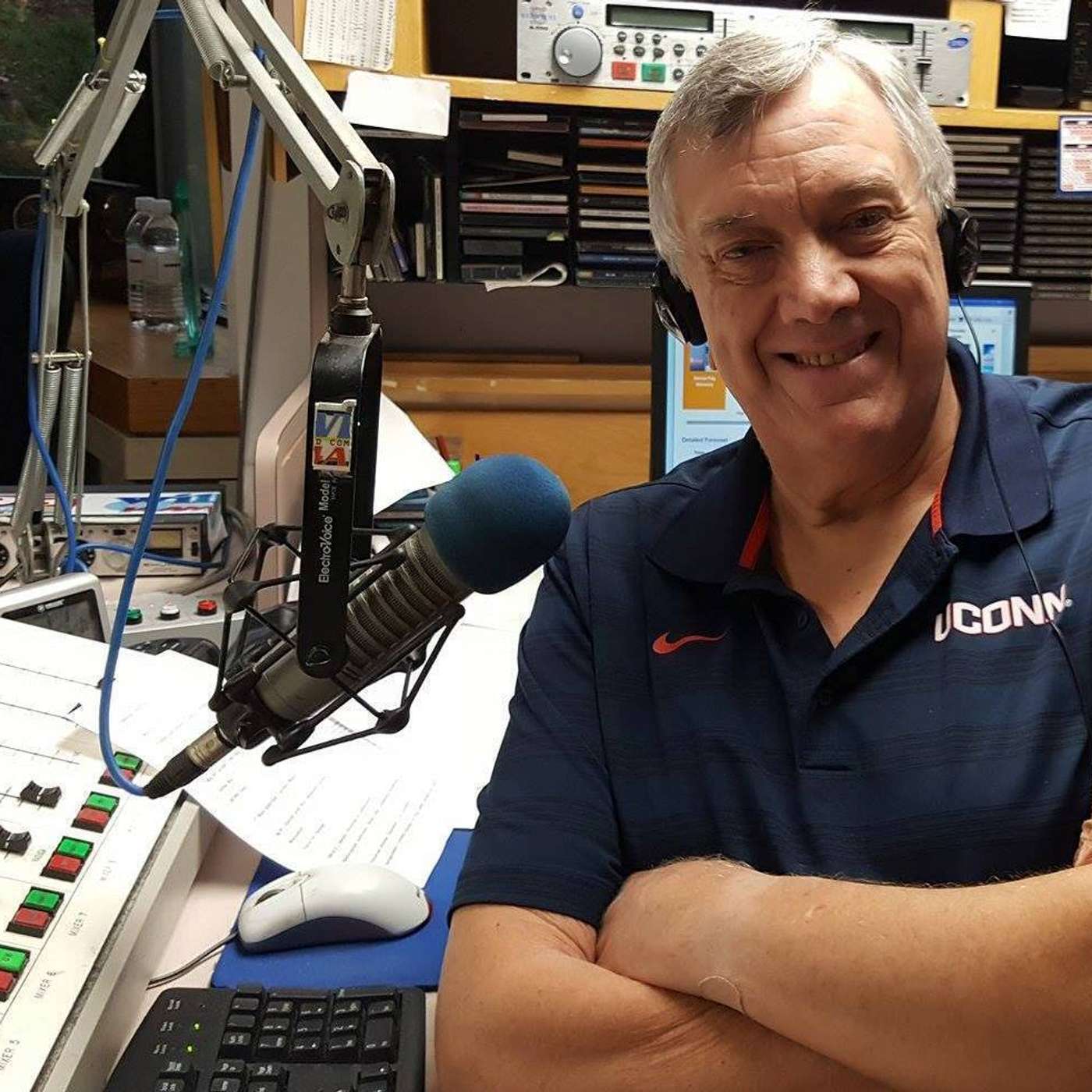
Bauerle is a WBEN talk-radio archive shaped by Buffalo callers, sharp local grievances, and a steady suspicion that public life keeps getting more expensive, less accountable, and harder to explain. It is not a calm briefing. It is closer to a running civic argument, with phones lighting up, topics mutating, and the speaker often turning a personal aside into a larger point before the hour has settled. Recent episodes show the range clearly. New York taxes become a complaint about income, spending, homes, investments, estates, licenses, registrations, fees, tolls, and fines. A question about comfortable middle-class life in Buffalo becomes a conversation about $85,000 a year, retirement saving, debt, family help, down payments, and the pride of doing it without a rescue line. Criminal justice episodes are especially forceful. The show brings in figures such as John Flynn and Frank Todaro when cases involving parole, sentencing, violent crime, and Erie County public safety need a named local voice. It also lets callers expose the uneasier parts of public conversation, including blunt and troubling claims around race, safety, remorse, and violence after incidents at the Galleria mall. The result can be bracing. It can also be uncomfortable. Electrification coverage keeps the same energy, turning electric school bus mandates, homebuilding concerns, and New York State timelines into arguments over cost, practicality, and who pays. Foreign policy gets the live-call treatment too, with Iran strikes discussed in terms of civilian infrastructure, military limits, regime pressure, and the fear of ground troops. Not every hour is grim. A book-recommendation episode loosens the mood with reading habits, Shakespeare, Bob Dylan, Macbeth, and the old problem of books bought with good intentions. Fill-in appearances by Glenn Wiggle and Mike Sparazza bring a financial-advice frame, but the show still sounds like a public argument about power and money. Bauerle works because it keeps local consequences at the center. It asks who made the decision, who pays for it, who gets released, who feels unsafe, and who has to live with the policy after the press release is gone. The editing is not the point. The heat is.